Educational information, not medical advice. See our Medical Disclaimer. Last updated: October 11, 2026.
Poor sleep affects mood, concentration, appetite and long-term health, yet most advice about it is either too vague (“relax more”) or too extreme. The good news is that a handful of well-supported habits can improve sleep for many people, and for persistent insomnia there is a proven non-drug treatment. This guide covers both.
How much sleep do adults need?
The US Centers for Disease Control and Prevention (CDC) gives these guidelines: adults aged 18 to 60 should get at least 7 hours of sleep a night, those aged 61 to 64 about 7 to 9 hours, and people 65 and older 7 to 8 hours. Needs vary a little between individuals. A better test than the clock is how you function: if you wake refreshed and stay alert through the day, you are probably getting enough.
Keep a consistent schedule
Your body clock thrives on regularity. Go to bed and get up at similar times every day, including weekends. The wake-up time matters most, since a regular rising time anchors the rest of the rhythm. Large swings between workdays and days off can leave you feeling jet-lagged on Monday.
Use light on purpose
- Get bright light early in the day, ideally outdoors, to reinforce your body clock.
- Dim lights in the hour or two before bed. Bright light in the evening can delay sleepiness.
- Put screens away before bed. The NHS suggests avoiding screens for about an hour beforehand, the CDC at least 30 minutes. Stimulating content matters as much as the light itself.
Caffeine, alcohol and nicotine
Caffeine stays in the body for hours. In one widely cited experiment, caffeine taken six hours before bedtime still reduced total sleep time by more than an hour. If you are sensitive, consider stopping caffeine by early afternoon.
Alcohol may make you drowsy, but it fragments sleep and often causes early waking. Avoid it close to bedtime.
Nicotine is a stimulant. Avoid it in the hour or two before bed, and in the middle of the night.
Large meals close to bedtime can cause discomfort. A light snack is fine if you are hungry.
Set up the bedroom
- Cool: a slightly cool room helps most people sleep. Many people find about 16 to 19 degrees Celsius comfortable.
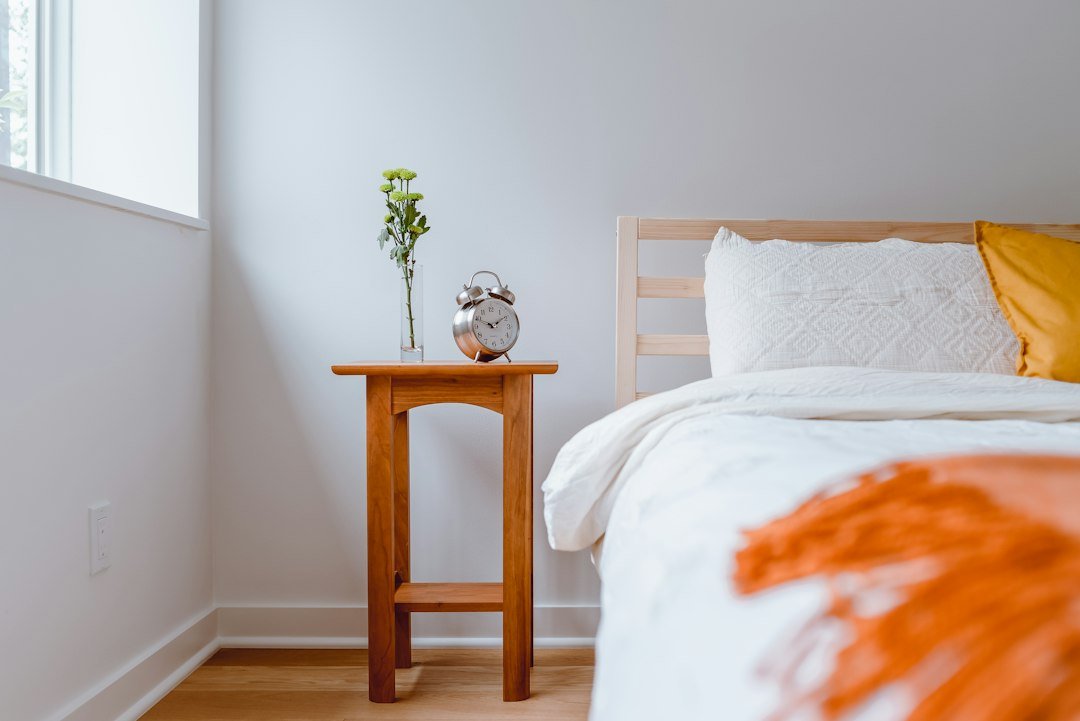
- Dark: blackout curtains or an eye mask help, especially if streetlights come in.
- Quiet: earplugs or steady background sound can mask noise.
- Reserve the bed for sleep (and intimacy), not for work or scrolling.
- Comfort: a mattress and pillow that suit you matter more than any gadget.
Wind down and handle worries
Build a 30 to 60 minute routine that signals to your brain that the day is ending: a warm shower, reading, gentle stretching, calm music or breathing exercises. If your mind races, try writing down your worries and tomorrow’s to-do list earlier in the evening so you do not rehearse them in bed.
Regular physical activity improves sleep, ideally earlier in the day if evening workouts leave you wired.
What to do when you cannot sleep
Lying in bed frustrated teaches your brain to associate the bed with wakefulness. If you are still awake after roughly 20 minutes, get up, go to another dimly lit room and do something calm until you feel sleepy, then return to bed. Avoid checking the clock repeatedly. Napping is fine for many people, but keep it short (20 to 30 minutes) and before mid-afternoon so it does not steal sleep from the night.
When it is more than a bad week
Everyone has poor nights. Insomnia disorder is usually diagnosed when trouble falling or staying asleep happens at least three nights a week for three months or longer and affects daytime functioning. For chronic insomnia, cognitive behavioral therapy for insomnia (CBT-I) is recommended as the first-line treatment in major clinical guidelines, ahead of sleeping pills. It combines sleep scheduling, thought-challenging and the habits above, and can be delivered by a therapist, in groups or through validated digital programs.
See a doctor if you:
- Snore loudly, gasp or stop breathing in your sleep, which can signal sleep apnea.
- Feel so sleepy in the day that you nod off while driving or working.
- Have a persistent urge to move your legs at night, or act out dreams.
- Have low mood or anxiety that is affecting your sleep or is affected by it.
- Rely on sleeping pills, alcohol or over-the-counter sleep aids on most nights.
- Most adults need at least 7 hours of sleep a night.
- Regular sleep and wake times, especially wake time, are the foundation.
- Bright light in the morning, dim light in the evening.
- Limit afternoon caffeine, evening alcohol and nicotine.
- Keep the bedroom cool, dark and quiet, and get up if you are awake for about 20 minutes.
- Chronic insomnia has a proven treatment, CBT-I. Ask your doctor.
Frequently asked questions
Can I catch up on sleep at the weekend?
A longer sleep after a short week can help you feel better, but it does not fully undo the effects of chronic short sleep. Regular sleep across the week works better.
Are naps bad?
Not necessarily. A short nap early in the afternoon can boost alertness. Long or late naps can make nighttime sleep harder, especially if you have insomnia.
Do sleep supplements work?
Evidence varies by product and person, and some interact with medicines. Talk to a pharmacist or doctor before starting any sleep aid, and focus on habits first.
Is it normal to wake up during the night?
Brief awakenings are normal and often forgotten. Concern is warranted when you cannot get back to sleep, or when daytime functioning suffers.
Sources
Written by the nohas.es Editorial Team from the official sources listed above. Read our Editorial Policy and Fact Checking Policy. Found an error? Tell us.