
A pregnancy test is a laboratory-based or home test that looks for human chorionic gonadotrophin (hCG), a hormone produced during pregnancy. It can help someone find out whether they are pregnant, but the timing of the test and the way it is used affect how reliable the result is. This guide explains how urine and blood pregnancy tests work, when to take one, how to read the result and what to do next.
How does a pregnancy test work?
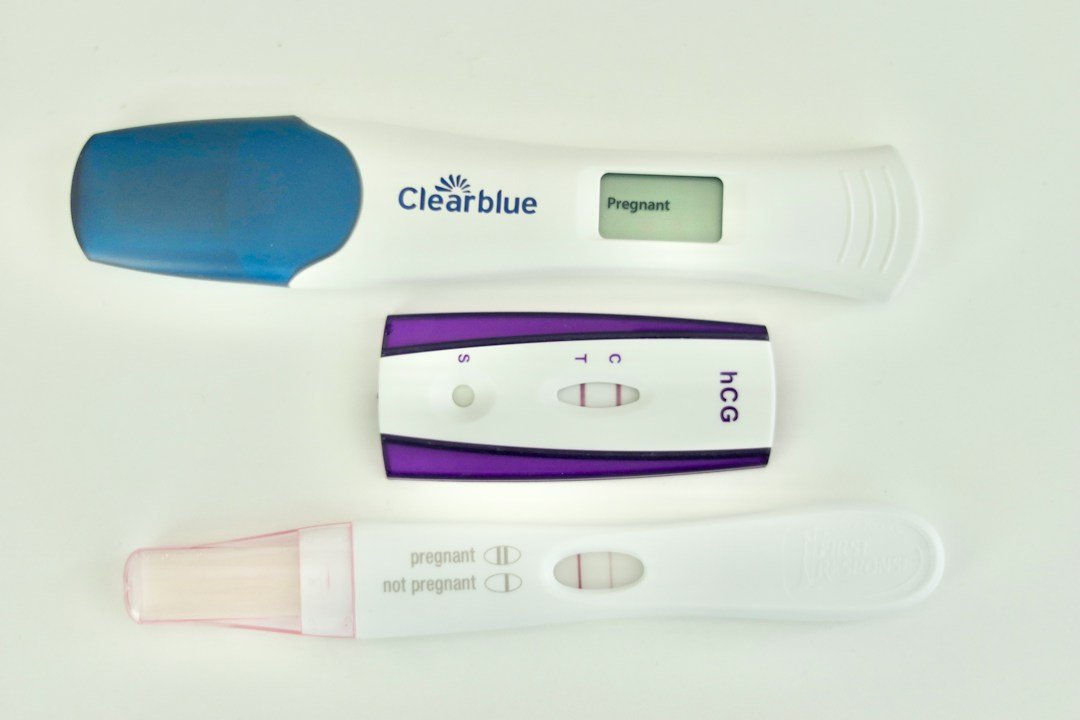
Most pregnancy tests detect hCG, short for human chorionic gonadotrophin. After a fertilised egg implants in the lining of the uterus, developing placental tissue begins producing this hormone. hCG enters the bloodstream and is also passed into urine. Its concentration generally rises during early pregnancy, which is why a test may be negative if it is taken very soon after conception and positive a few days later.
Home tests use antibodies that react with hCG in a urine sample. Depending on the brand, the result appears as lines, a plus or minus sign, or a digital message. Blood tests measure hCG in a laboratory and can detect smaller amounts in some circumstances. Both types are designed to detect the hormone; neither one, by itself, confirms where a pregnancy is located or whether it is developing normally.
When is the best time to take a pregnancy test?
For most home urine tests, the most reliable time to test is from the first day of a missed period. Testing earlier can produce a false-negative result because hCG may not yet have reached the level the test can detect. If you do not know when your next period is due, the NHS advises testing at least 21 days after the last unprotected sex.
Some products are marketed as early-detection tests and may be used before a missed period. However, an early negative result is less reassuring than a negative result taken at the recommended time. Check the specific product instructions rather than assuming that all tests have the same sensitivity.
| Situation | Practical timing | What to remember |
|---|---|---|
| Periods are regular | From the first day the period is missed. | A negative result may need repeating if the period does not arrive. |
| Period dates are uncertain | At least 21 days after the last unprotected sex. | This provides a clearer testing point when cycle timing is unknown. |
| Testing before the expected period | Only if the test is specifically labelled for early testing. | A negative result may simply be too early. |
| Negative test but period still absent | Repeat after a few days, following the product guidance. | Seek clinical advice if repeat tests are negative and the period remains absent. |
How to use a home urine pregnancy test
Home tests are straightforward, but different brands have different instructions. Read the leaflet before starting and use the test exactly as directed.
- Check the expiry date. Do not use a test that is out of date or has damaged packaging.
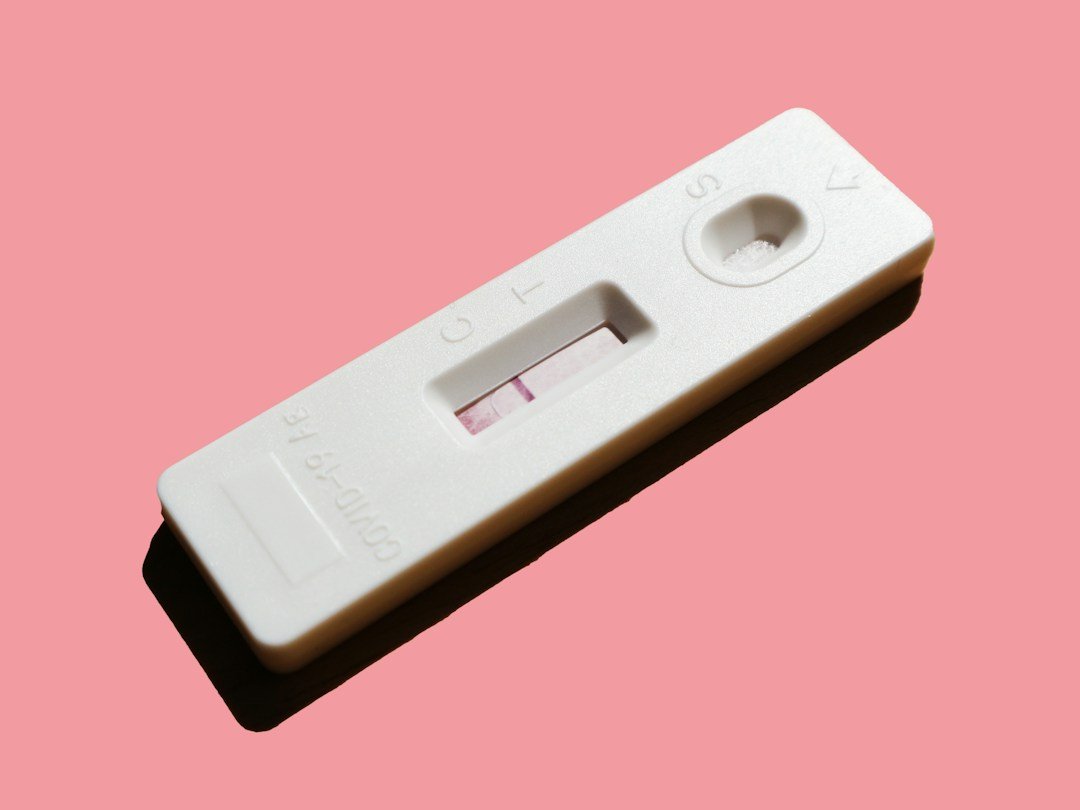
- Read the instructions. Check whether the test is held in the urine stream or dipped into a collected sample.
- Use the sample as directed. If testing very early, first-morning urine may be helpful because it is often more concentrated. Avoid drinking unusually large amounts of fluid immediately beforehand, as this can dilute urine.
- Wait for the stated time. Use a timer and read the result within the time window in the leaflet.
- Check the control indicator. If the control line or symbol does not appear, the test may be invalid and should be repeated with a new device.
After a missed period, many tests can be used at any time of day, but the manufacturer’s instructions take priority. Do not interpret a line or symbol after the stated reading window, as changes that occur later may be misleading.
Urine test versus blood pregnancy test
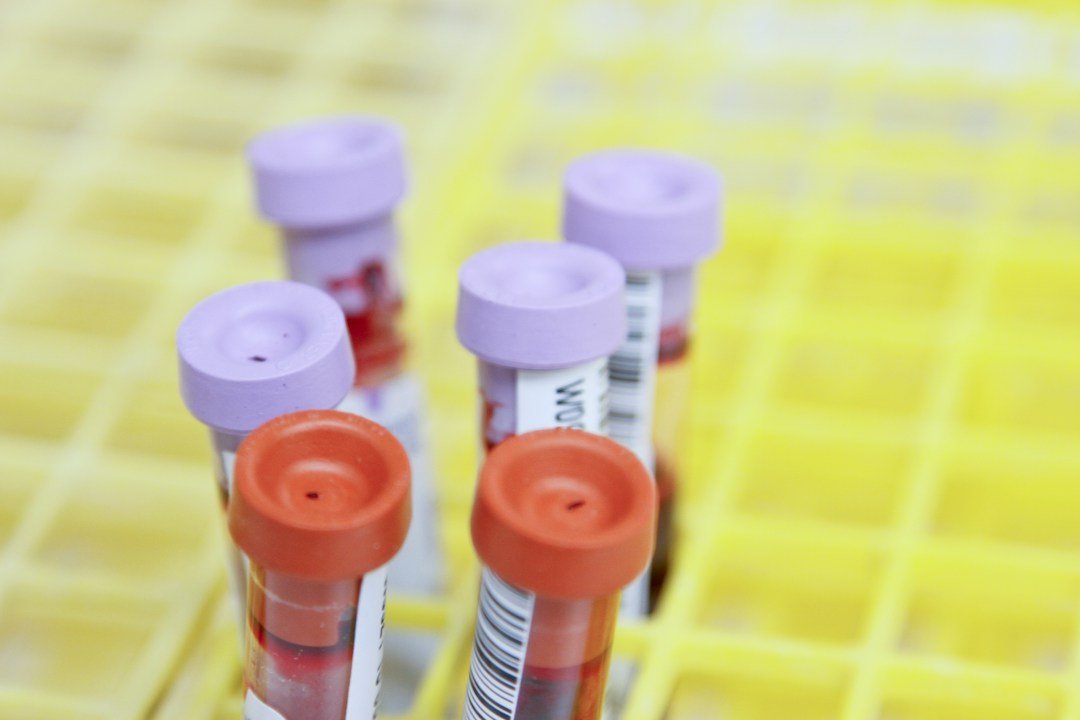
A urine test is usually the first option because it is convenient, widely available and gives a result within minutes. A blood test is performed by a healthcare professional and may be requested when more detailed information is needed.
| Feature | Urine pregnancy test | Blood hCG test |
|---|---|---|
| Sample | Urine, at home or in a clinic. | Blood taken from a vein. |
| What it reports | Usually positive or negative. | Qualitative: detected/not detected; quantitative: a measured hCG concentration. |
| Early detection | May be less sensitive very early in pregnancy. | Can detect smaller amounts of hCG in some circumstances. |
| Typical use | Initial check after a missed period. | When a clinician needs a measured level or further assessment. |
| Limitations | Testing too early or diluted urine can contribute to a false negative. | A single value cannot establish pregnancy location or assess viability on its own. |
What does a positive pregnancy test mean?
A correctly performed positive home test usually means that hCG has been detected and pregnancy is likely. Follow the instructions carefully, particularly when interpreting faint lines or digital displays. Arrange an appointment with a qualified healthcare professional or maternity service to discuss next steps and appropriate early pregnancy care.
A positive test does not show how many weeks pregnant someone is, confirm that the pregnancy is inside the uterus, or prove that it is progressing normally. A clinician may recommend blood tests, repeat hCG measurements or an ultrasound depending on dates, symptoms and medical history. Fertility medicines containing hCG can sometimes affect test results, so tell the clinician about any fertility treatment.
What does a negative pregnancy test mean?
A negative result means the test did not detect enough hCG in that urine sample. It does not always rule out pregnancy, especially if the test was taken before or just around the expected period. If pregnancy is still possible, repeat the test after a few days or follow the advice of a healthcare professional. If a second test is negative but your period has not arrived, seek medical advice to discuss other possible reasons for a missed period.
False-negative results are more common than false-positive results when home tests are used too early. Incorrect timing, not following the instructions, an expired test or very diluted urine can also affect reliability. A positive result can occasionally occur when hCG remains after a recent pregnancy or is present because of certain fertility medicines; a clinician can help interpret an unexpected result.
Can a pregnancy test be wrong?
No test is perfect. The most common reason for a negative result when someone is pregnant is testing too soon. A test may also be invalid if its control indicator does not appear. A positive result is usually reliable when the test is used correctly, but unusual circumstances, including hCG-containing fertility treatment or a recent pregnancy, may need clinical interpretation.
Do not use a home test result alone to make decisions about medicines or medical treatment. If you take regular prescription medicines and think you may be pregnant, contact the prescriber or a pharmacist promptly rather than stopping essential treatment without advice.
When should you seek urgent medical help?
Seek urgent medical assessment if pregnancy is possible and you develop significant lower abdominal or pelvic pain, particularly on one side, or vaginal bleeding with pain. Call emergency services or attend an emergency department immediately for severe or sudden abdominal pain, shoulder-tip pain, marked dizziness, fainting or heavy bleeding. These symptoms can have several causes, but may indicate an ectopic pregnancy or internal bleeding, even if a home pregnancy test has been negative or you have not yet had a positive result.

Frequently asked questions
Can I take a pregnancy test at night?
Yes. After a missed period, many home tests can be used at any time of day. If you are testing very early, first-morning urine may be more concentrated. Always follow the product leaflet.
How soon after sex can a pregnancy test be positive?
There is no single reliable number of days for everyone because ovulation and implantation timing vary. If you do not know when your period is due, the NHS recommends testing at least 21 days after unprotected sex.
Does the contraceptive pill affect a pregnancy test?
The hormones in the contraceptive pill do not usually interfere with tests that detect hCG. No contraceptive method is completely effective, so testing may be appropriate if pregnancy is suspected.
Do I need a blood test after a positive home test?
Not everyone needs a blood test. A healthcare professional will decide whether blood hCG measurements or an ultrasound are appropriate based on symptoms, dates and individual circumstances.
Key points to remember
- Pregnancy tests detect the hormone hCG in urine or blood.
- Home urine tests are generally most reliable from the first day of a missed period.
- If period dates are unknown, test at least 21 days after the last unprotected sex.
- An early negative result may need repeating; follow the instructions and seek advice if uncertainty continues.
- Severe pain, fainting, shoulder-tip pain or heavy bleeding requires urgent medical assessment.
References and further reading
- NHS – Doing a pregnancy test
- MedlinePlus – Pregnancy Test
- US Food and Drug Administration – Pregnancy
- NHS inform – How to take a home pregnancy test
- Office on Women’s Health – Pregnancy tests
Medical information notice: This article is for general educational purposes only. It does not replace personal medical advice, diagnosis or care from a qualified healthcare professional.