
Educational information, not medical advice. See our Medical Disclaimer. Last updated: October 29, 2026.
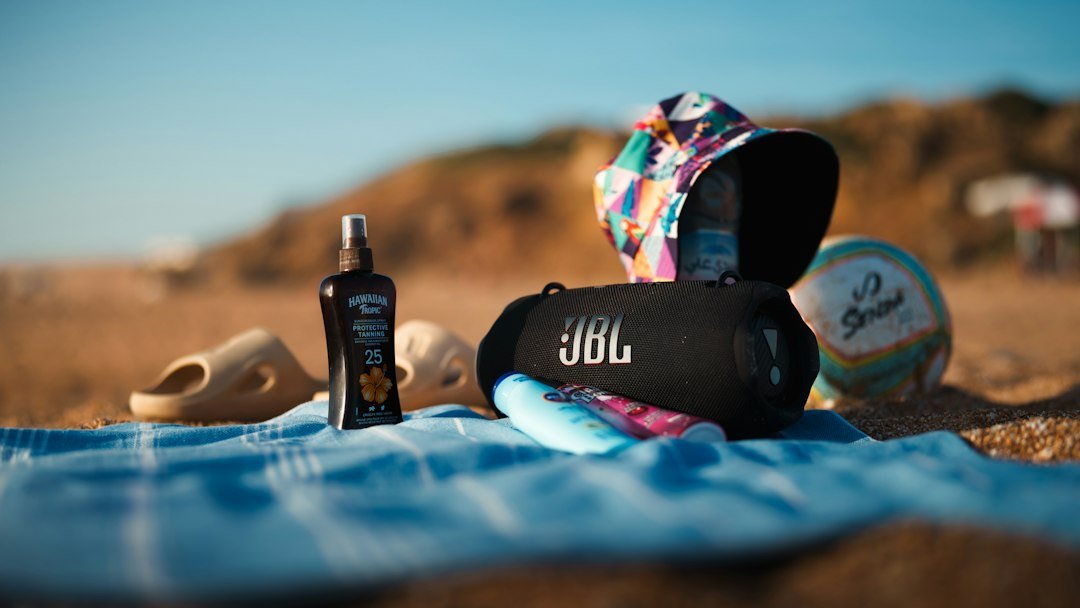
Sunscreen is one of the simplest tools for lowering your risk of sunburn, premature skin aging and skin cancer, yet most people use too little, too late and too rarely. This guide explains the labels, the right way to apply it, and why sunscreen works best as one layer of protection rather than the only one.
UVA, UVB and why both matter
Ultraviolet (UV) radiation from the sun reaches us mainly as two types. UVB rays are the main cause of sunburn. UVA rays penetrate deeper, drive skin aging and wrinkles, and also contribute to skin cancer. Both damage DNA in skin cells, which is why protection needs to cover both.
What SPF means
SPF (sun protection factor) mainly measures protection against UVB. According to the US Food and Drug Administration (FDA), SPF values up to 50 give increasing protection against sunburn, but SPF is not a multiplier of the time you can safely spend in the sun. Roughly, SPF 15 blocks about 93% of UVB, SPF 30 about 97% and SPF 50 about 98%. Beyond SPF 30 the gains are small, so correct application matters more than a higher number.
SPF says nothing about UVA. That is why you should look for the words “broad spectrum”. In the UK and EU, look for the UVA logo (the letters UVA inside a circle), and in the UK for a star rating for UVA protection. The NHS advises a sunscreen with SPF 30 or higher and at least 4-star UVA protection.
How to choose a sunscreen
- SPF 30 or higher and broad spectrum. The American Academy of Dermatology (AAD) recommends both. The FDA’s minimum is SPF 15 broad-spectrum.
- Water resistant if you will swim or sweat. The label should state 40 or 80 minutes. No sunscreen is waterproof.
- Mineral or chemical. Mineral filters (zinc oxide, titanium dioxide) sit on the skin and can be a good option for sensitive skin. Chemical filters are absorbed and absorb UV. Both types are effective; the best one is the one you will actually use every time.
- Texture and finish. Gels, lotions, sticks and sprays exist. Sprays are easy to under-apply, so spray generously and rub in.
- Check the expiry date. Old or heat-damaged sunscreen can be less effective.
How much to apply, and when
- Amount: the FDA says an average adult needs about one ounce, roughly a shot glass, to cover the body from head to toe. For the face and neck, many dermatologists suggest about a teaspoon.
- Timing: apply about 15 minutes before going outside so it can form an even layer.
- Reapply at least every two hours, and more often after swimming, sweating or toweling off.
- Do not miss spots: ears, back of the neck, tops of the feet, hairline and parting, lips (use SPF lip balm).
- Layering: apply sunscreen after moisturizer and before makeup.
Most people apply a fraction of the amount used in laboratory testing, so the real-world protection is usually lower than the SPF on the label. Using enough is the biggest improvement most people can make.
Protection beyond sunscreen
The World Health Organization (WHO) advises using sun protection when the UV index reaches 3 or above, and says shade and clothing give better protection than sunscreen alone. It also warns that sunscreen should not be used to extend time in the sun.
- Seek shade, especially around midday.
- Wear a broad-brimmed hat, and clothing that covers arms and legs.
- Wear wraparound sunglasses that block 99 to 100% of UVA and UVB.
- Avoid sunbeds and artificial tanning devices.
- Remember that UV can be strong on cloudy days and is reflected by water, sand and snow.
Babies and children
The FDA advises that sunscreen is not recommended for infants under six months. Keep them out of direct sun, especially between 10 a.m. and 2 p.m., and use protective clothing and shade. Ask a doctor before using sunscreen on a baby that young. For older children, use the same principles: shade, clothing, hats and a broad-spectrum, water-resistant sunscreen applied generously.
Check your skin
Sunscreen lowers risk, it does not remove it. Look at your skin regularly, including areas that rarely see the sun. See a doctor promptly about any mole or spot that changes in size, shape or color, has uneven borders or several colors, itches, bleeds or does not heal. Early detection of skin cancer greatly improves outcomes.
- Choose broad-spectrum SPF 30 or higher, water resistant if you will swim or sweat.
- Use about a shot glass for the body and apply 15 minutes before sun exposure.
- Reapply at least every two hours and after swimming or sweating.
- Combine sunscreen with shade, clothing, hats and sunglasses.
- Do not use sunscreen to stay out longer in the sun.
Frequently asked questions
Do I need sunscreen in autumn and winter?
It depends on the UV index. WHO advises protection when it is 3 or above, which can happen even in cooler months, in mountains, near snow or in sunny regions. Check your local UV index forecast.
Is a higher SPF always better?
Slightly, but not proportionally. SPF 50 blocks only marginally more UVB than SPF 30. Applying enough and reapplying matters more.
Will sunscreen make me vitamin D deficient?
In everyday use, there is little evidence that it does, because people tend to apply thin layers and are not fully covered. If you are worried about vitamin D, read our guide to vitamin D rather than skipping sun protection.
Is makeup with SPF enough?
Usually not, because people rarely apply enough to reach the labeled SPF. Use a dedicated sunscreen first.
Sources
- US FDA: Sunscreen: How to Help Protect Your Skin from the Sun
- American Academy of Dermatology: How to select a sunscreen
- World Health Organization: Ultraviolet radiation
- NHS: Sunscreen and sun safety
Written by the nohas.es Editorial Team from the official sources listed above. Read our Editorial Policy and Fact Checking Policy. Found an error? Tell us.