Educational information, not medical advice. See our Medical Disclaimer. Last updated: October 26, 2026.
Cholesterol can sound like something that should be avoided altogether, but the body actually needs it to build cells and make certain hormones. The concern is having too much of particular fats in the blood, which can contribute to fatty deposits inside arteries and raise the risk of heart disease and stroke. A cholesterol result is not a judgement on your character or habits; it is useful information that can help you decide what to do next with your healthcare team.
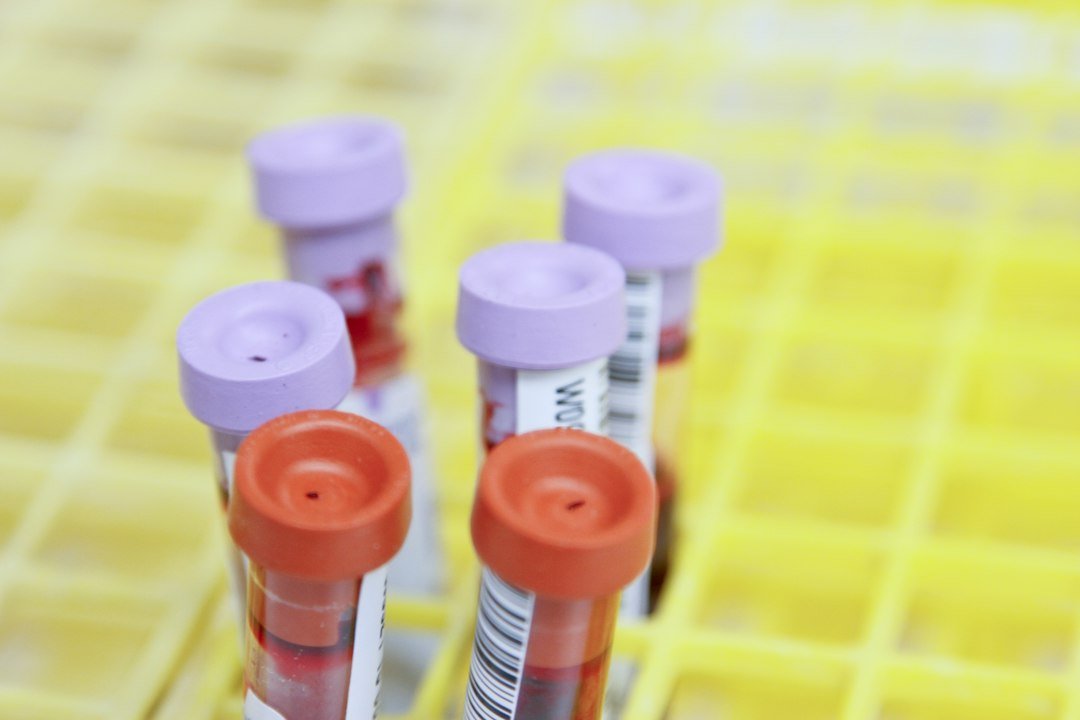
What does a cholesterol test measure?
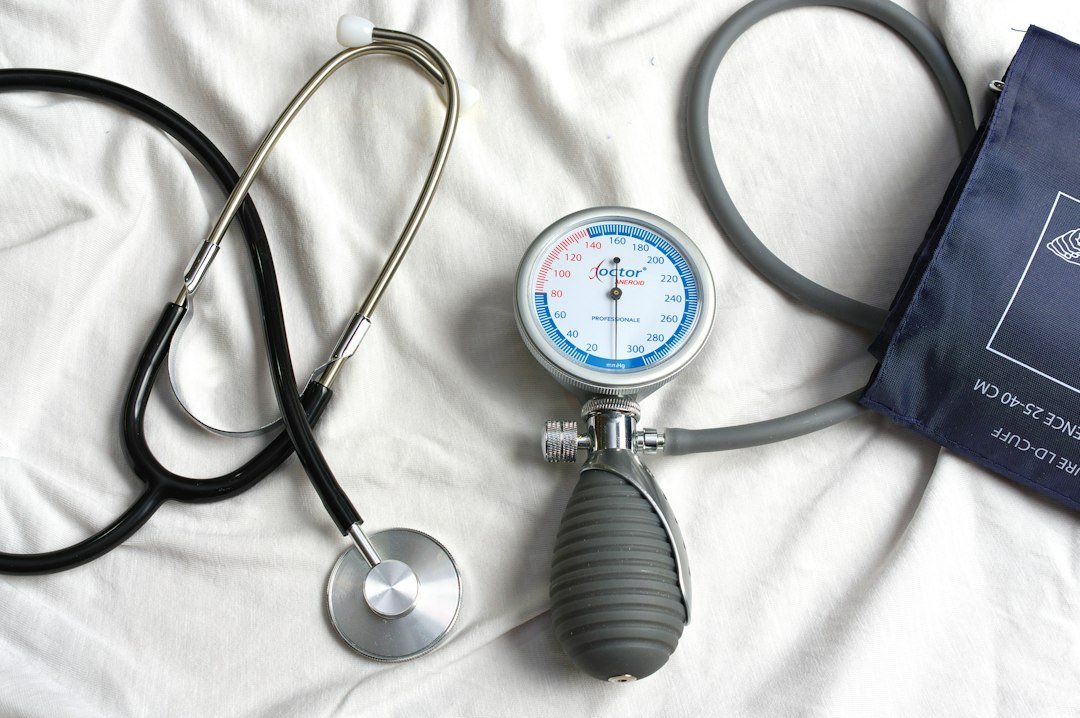
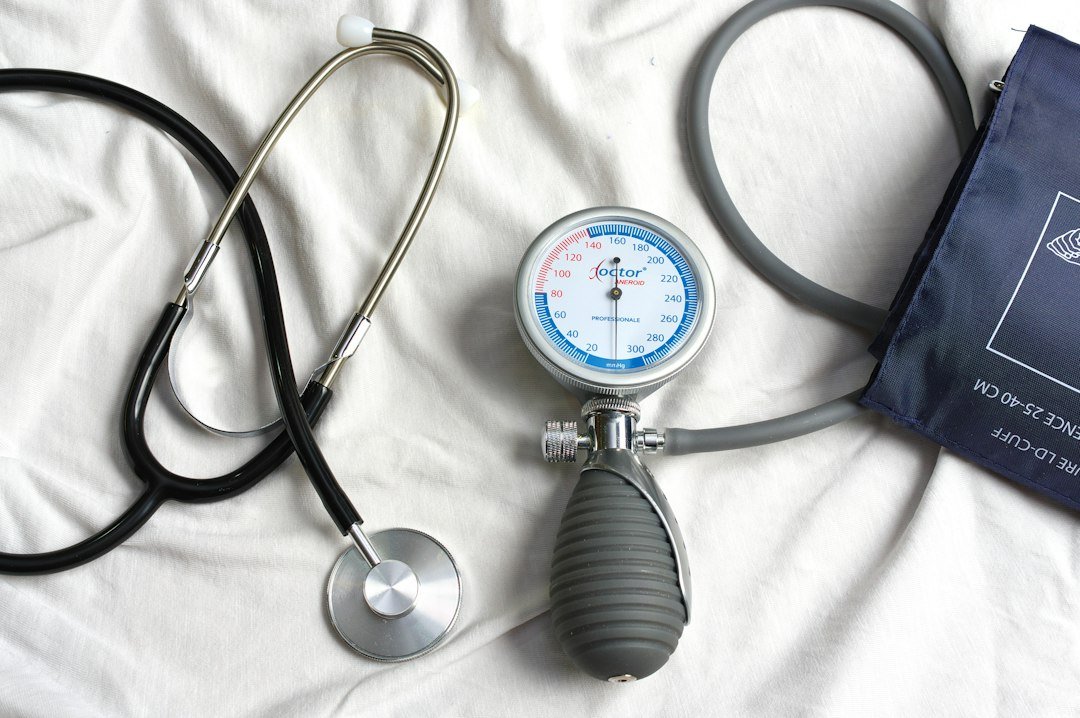
A lipid profile may include total cholesterol, HDL cholesterol, non-HDL cholesterol and triglycerides. LDL is often described as “bad” cholesterol because higher levels can contribute to plaque build-up in arteries. HDL is often called “good” cholesterol because it helps transport cholesterol away from tissues. Non-HDL includes several cholesterol-carrying particles, while triglycerides are another type of fat in the blood.
Does high cholesterol cause symptoms?
Usually not. You can feel perfectly well while your cholesterol is raised, so a blood test is often the only way to identify it. A clinician interprets the results alongside factors such as age, blood pressure, smoking, diabetes, family history and previous cardiovascular disease. There is no single target that is right for everyone.
What can affect cholesterol?
Genes and family history matter, and some people inherit very high cholesterol. Diet, physical activity, smoking, age and some medical conditions can also play a part. An underactive thyroid, diabetes, kidney disease and certain medicines may affect lipid levels. A result is best understood in context rather than assuming it is caused by one food or one lifestyle choice.
Everyday steps that may help
- Replace some foods high in saturated fat with unsaturated fats, such as olive or rapeseed oil, nuts and seeds.
- Choose fibre-rich foods, including oats, beans, lentils, vegetables, fruit and whole grains.
- Be active regularly in a way that fits your health and abilities.
- If you smoke, seek support to stop.
- Discuss alcohol intake and weight-related goals without shame or unrealistic expectations.
You do not need to change everything overnight. Choose one manageable habit and build on it. If inherited cholesterol is a possibility, lifestyle measures are still valuable but may not be enough on their own.
Will I need cholesterol-lowering medicine?
Some people benefit from a statin or another medicine, especially when their overall risk of heart attack or stroke is higher. The decision is based on more than the total cholesterol number alone. If medicine is prescribed, ask what benefit is expected, what side effects to watch for and whether monitoring is needed. Do not stop a prescribed statin without discussing it with your clinician or pharmacist.
What should I ask about my result?
- What are my LDL, HDL and non-HDL results?
- What is my overall cardiovascular risk?
- Would lifestyle changes alone be reasonable, or is medication recommended?
- When should my cholesterol be checked again?
- Could family history suggest an inherited condition?
Frequently asked questions
Can I tell if my cholesterol is high by how I feel?
No. High cholesterol usually has no symptoms, which is why testing and risk assessment matter.
Can diet alone lower cholesterol?
Diet changes help many people, but the effect varies. Genetics and other health factors can mean medication is also needed.
Reliable sources
This article is for general education and does not replace individual medical advice. Ask a healthcare professional to interpret your results and discuss treatment options.
Written by the nohas.es Editorial Team from the official sources listed in this article. Read our Editorial Policy and Fact Checking Policy. Found an error? Tell us.