Educational information, not medical advice. See our Medical Disclaimer. Last updated: October 26, 2026.
Being told you may have type 2 diabetes can bring a rush of questions and emotions. You may worry about food, medication or what the future will look like. The good news is that support and treatment are available, and many people manage diabetes while continuing to live full, active lives. Understanding the condition is a practical first step—not a reason to blame yourself.
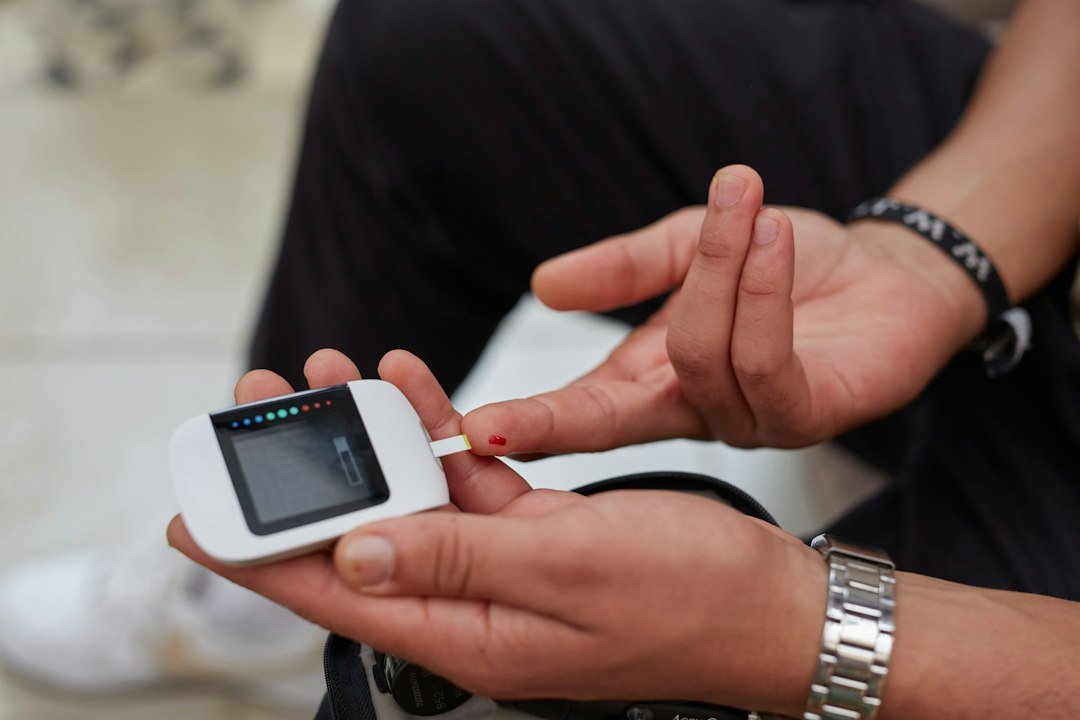
What is type 2 diabetes?
Type 2 diabetes is a long-term condition in which the body does not use insulin effectively and, over time, may not make enough insulin to keep blood glucose within a healthy range. Glucose is an important source of energy, but persistently high levels can damage blood vessels and nerves. It is influenced by a mix of genetic, biological, environmental and lifestyle factors; it is not simply a personal failure.
What are the early signs?
Possible symptoms include feeling unusually thirsty, passing urine more often (especially at night), tiredness, losing weight without trying, blurred vision, slow-healing cuts or recurrent thrush. Symptoms may develop gradually, and some people have no obvious symptoms at all. If you notice these changes, arrange a medical assessment rather than trying to diagnose yourself.
How is type 2 diabetes diagnosed?
A healthcare professional uses blood tests to assess glucose levels. These may include HbA1c, which reflects average blood glucose over roughly the previous two to three months, and other glucose tests when appropriate. The clinician interprets the result using accepted diagnostic criteria and may repeat testing depending on the circumstances. Home glucose readings alone are not usually enough to establish a new diagnosis.
What happens after diagnosis?
Your care team can explain your results, discuss treatment choices and help you make a plan that fits your life. Management may include food choices, regular physical activity, medicines and monitoring. Many people benefit from structured diabetes education and regular reviews of blood pressure, cholesterol, kidney health, feet and eyes.
Food and activity: start with realistic changes
There is no single perfect diabetes diet. A helpful starting point is regular balanced meals, vegetables, pulses such as lentils and chickpeas, whole grains, fruit in appropriate portions and sources of protein. Reducing sugary drinks and choosing higher-fibre foods may help with glucose management. If food is expensive, cultural preferences or work schedules make changes difficult, tell your care team; advice should be practical, not judgemental.
Movement can help the body use insulin more effectively. Walking, cycling, swimming, dancing or chair-based exercise may be suitable depending on your health. Start gradually if you are inactive and ask for guidance if you have heart problems, foot issues or other concerns. If you use insulin or certain glucose-lowering medicines, ask how to reduce the risk of low blood glucose during activity.
Medicines and monitoring
Some people need medication alongside lifestyle changes. The choice depends on glucose levels, other medical conditions, potential benefits and side effects. Take treatment as prescribed and do not stop or alter it without medical advice. Ask your clinician what readings to monitor, what your personal targets are and what to do if you become unwell.
When to seek urgent help
Seek urgent medical advice if you have diabetes and become seriously unwell, particularly with vomiting, abdominal pain, deep or rapid breathing, confusion, severe dehydration or difficulty staying awake. If you take insulin or medicines that can cause low blood glucose, learn how to recognise and treat a hypo according to your care plan. Call emergency services for severe symptoms or reduced consciousness.
Questions to ask your care team
- Which blood test confirmed my diagnosis?
- What are my HbA1c and glucose targets?
- Which lifestyle changes are most important for me?
- What are my medicines for, and what side effects should I know about?
- When are my next eye, foot, kidney and cardiovascular checks due?
Reliable sources
This article provides general educational information and does not replace individual medical care. If you are concerned about symptoms or glucose results, contact a qualified healthcare professional.
Written by the nohas.es Editorial Team from the official sources listed in this article. Read our Editorial Policy and Fact Checking Policy. Found an error? Tell us.