
Educational information, not medical advice. See our Medical Disclaimer. Last updated: October 25, 2026.
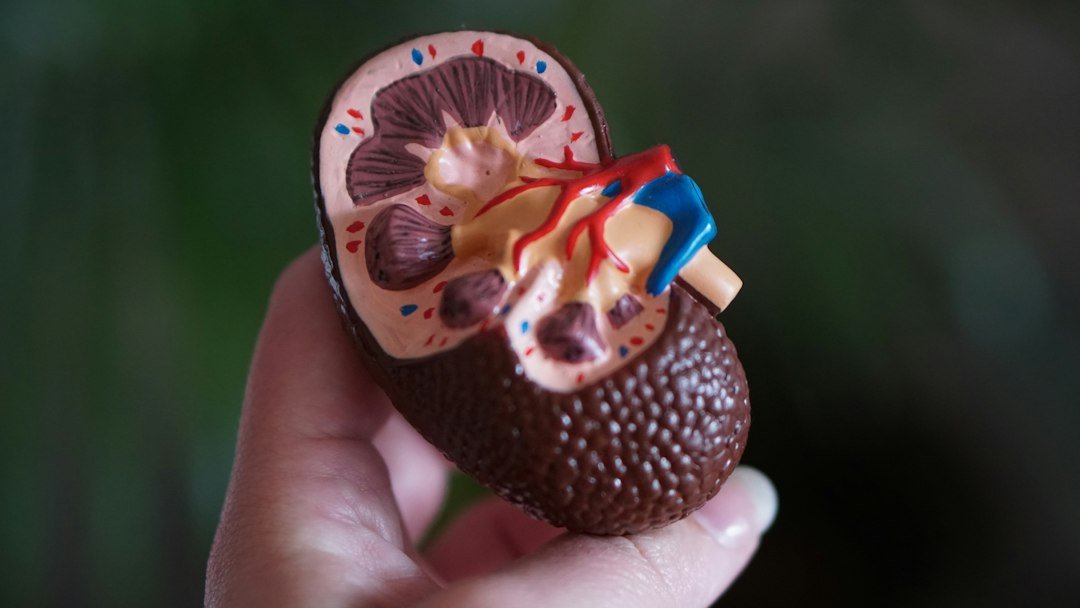
Your kidneys work quietly every day, filtering waste and extra fluid from your blood. Because they often keep working even when damaged, chronic kidney disease (CKD) can develop without obvious warning signs. Understanding your risk factors and attending recommended checks can help you get support early.
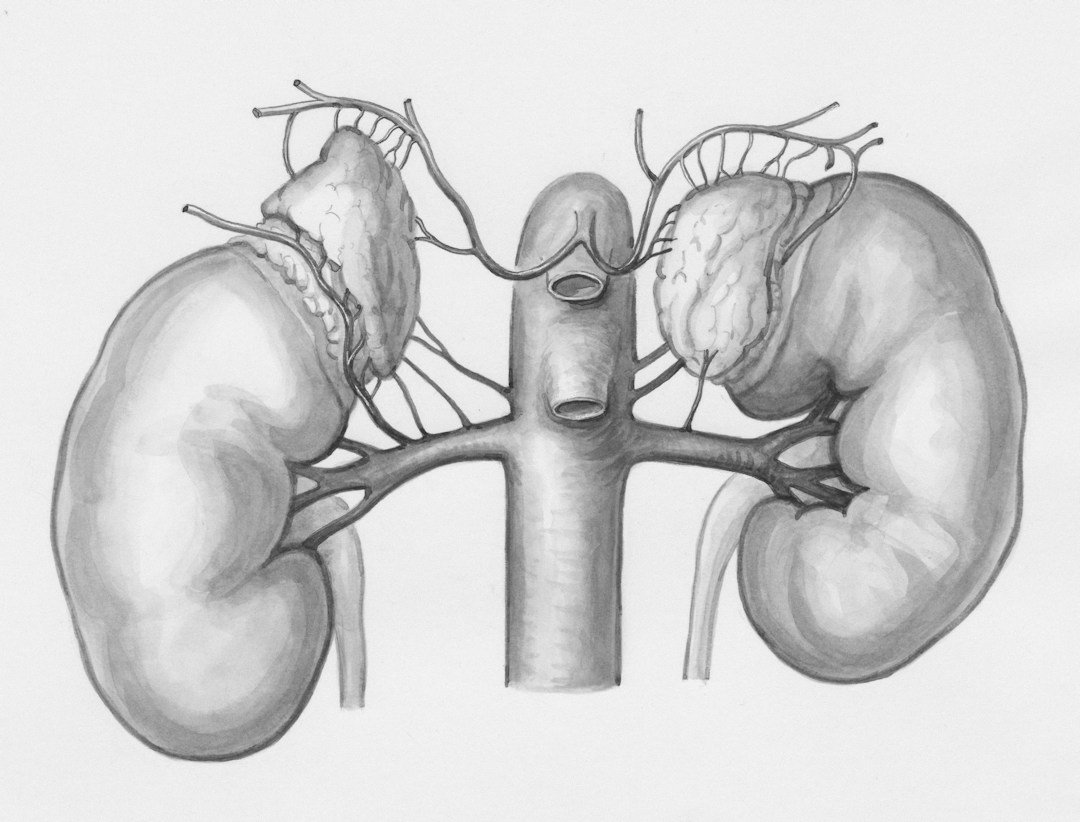
What is chronic kidney disease?
CKD is a long-term condition in which the kidneys do not work as well as they should. It can range from mild changes in kidney function to severe disease. Many people with CKD continue to live well for years, particularly when the condition is monitored and contributing health problems are treated.
What are the early symptoms?
In its early stages, CKD often causes no symptoms. It may first be noticed during routine blood or urine tests. Later symptoms can include persistent tiredness, swollen ankles or feet, shortness of breath, nausea, itchy skin, blood in the urine or needing to urinate more often at night. These symptoms can have many causes, so they cannot confirm kidney disease on their own.
Who may be at higher risk?
High blood pressure and diabetes are important risk factors. Risk can also be increased by cardiovascular disease, previous acute kidney injury, certain inherited conditions, a family history of advanced kidney disease, or ongoing use of medicines that may affect the kidneys. Do not stop prescribed medicines yourself; ask a clinician or pharmacist if you are concerned.
Which tests are used?
- Blood test: measures creatinine, which is used to calculate estimated glomerular filtration rate (eGFR).
- Urine test: checks for albumin (a type of protein) and sometimes blood. The albumin-to-creatinine ratio (ACR) helps assess kidney damage.
- Further investigations: an ultrasound or other tests may be recommended depending on the results and suspected cause.
A single abnormal result does not always mean you have CKD. Your healthcare professional will interpret it alongside previous results, symptoms and medical history, and may repeat tests to see whether changes persist.
How can you help protect your kidneys?
- Keep blood pressure and blood glucose within the targets agreed with your healthcare professional.
- Take prescribed medicines as directed and attend monitoring appointments.
- Choose a balanced diet, stay physically active and avoid smoking.
- Ask before using painkillers or supplements regularly, particularly if you already have kidney problems.
- Drink enough fluids for your needs; people with advanced kidney or heart conditions may have individual fluid advice.
When should you seek medical advice?
Arrange a medical review if you have persistent symptoms, have been told your blood or urine tests are abnormal, or have diabetes or high blood pressure and are unsure whether your kidney function is being monitored. Seek urgent help for severe breathlessness, confusion, or a sudden major reduction in urine output.
Key takeaway
CKD may not cause noticeable symptoms at first, which is why risk-based testing matters. Blood and urine tests can help identify changes early, and a personalised care plan can help protect kidney function over time.
Trusted sources
- NHS: Chronic kidney disease
- NHS: Diagnosing chronic kidney disease
- NHS: Symptoms of chronic kidney disease
Medical note: This article is for general information and is not a substitute for personalised medical advice, diagnosis or treatment. Speak to a qualified healthcare professional about your own symptoms or test results.
Written by the nohas.es Editorial Team from the official sources listed in this article. Read our Editorial Policy and Fact Checking Policy. Found an error? Tell us.