Educational information, not medical advice. See our Medical Disclaimer. Last updated: October 29, 2026.
Persistent itching and sore, dry skin can affect sleep, confidence and comfort. Atopic eczema is common, particularly in children, but it can affect people of any age. Although there is no simple cure, a consistent skincare routine and suitable treatment can help control symptoms and reduce flare-ups.
What is atopic eczema?
Atopic eczema, also called atopic dermatitis, is a long-term inflammatory skin condition. Skin may become dry, itchy, cracked, scaly or thickened. Colour changes can look different across skin tones, so redness may not always be the most obvious sign. Symptoms often come and go, with periods of improvement and flare-ups.
What can make eczema worse?
Triggers vary. Soap, detergents, fragranced products, rough fabrics, heat, sweating, stress and some allergens can aggravate symptoms. Eczema is not contagious: you cannot catch it from another person. Do not assume a food is responsible or make major dietary changes without advice from a qualified healthcare professional.
Build a simple daily skincare routine
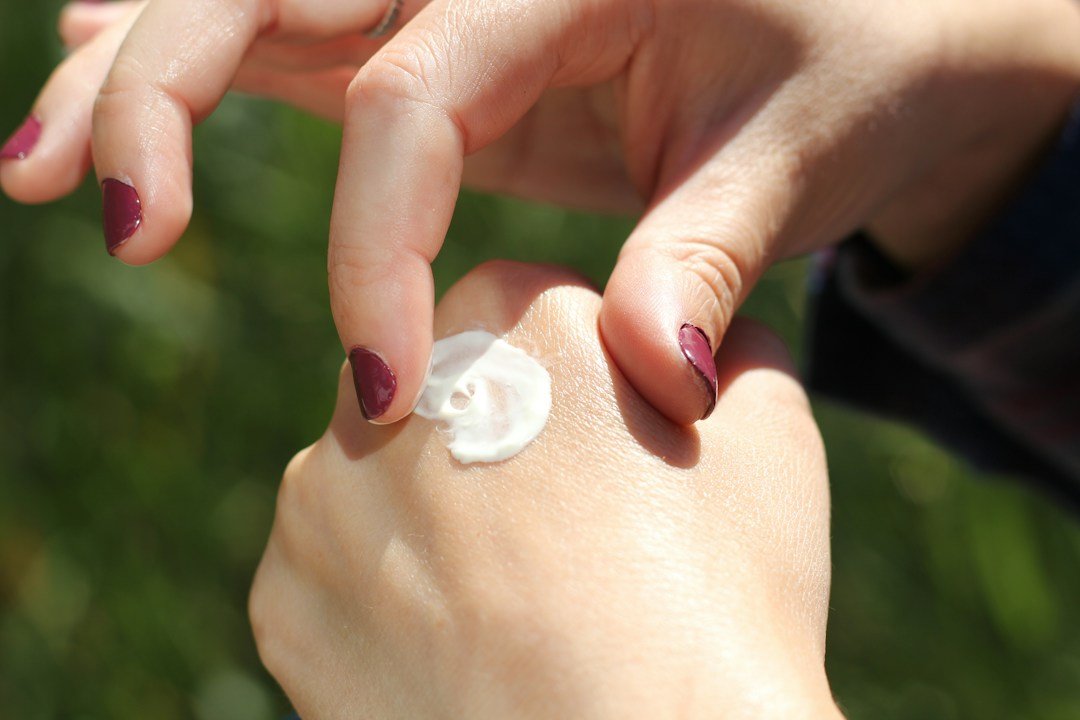
- Use emollients regularly. Moisturising creams, lotions or ointments help keep moisture in the skin. Apply them frequently, including when the skin looks better.
- Choose gentle washing. Use a suitable emollient wash or soap substitute instead of harsh soaps and fragranced products.
- Keep comfortably cool. Heat can intensify itching, so choose breathable clothing and avoid overheating where possible.
- Reduce scratching damage. Keep nails short and try gently rubbing itchy skin rather than scratching it.
- Identify personal irritants. A simple note of flare-ups and products used can help you spot patterns.
Different emollients suit different people and body areas. A pharmacist can help you choose a suitable product. Emollients can make fabrics more flammable, so keep away from cigarettes, naked flames and other ignition sources, and follow product safety advice carefully.
What treatments are available?
Emollients are a foundation of care. During flare-ups, a clinician may recommend a topical corticosteroid, selected for the affected area and severity. Use it exactly as directed; do not use a stronger product or apply it more often than advised. More severe eczema may need specialist assessment or other treatments.
Speak to a GP or pharmacist if you are uncertain which product to use, if treatment is not helping, or if eczema is affecting sleep or emotional wellbeing. You do not need to struggle in silence.
Signs that eczema may be infected
Seek urgent medical advice if the skin becomes painful, hot, swollen, suddenly worse, develops blisters or pus-filled spots, or starts leaking fluid or forming crusts. Fever or feeling generally unwell alongside worsening eczema also needs prompt assessment.
Key takeaway
Gentle washing, regular moisturising and using prescribed treatments correctly can make a meaningful difference. Because eczema varies from person to person, ask a healthcare professional for a plan that suits your skin and the severity of your symptoms.
Trusted sources
Medical note: This article is for general information and does not replace individual diagnosis or treatment. Seek medical advice if symptoms persist, worsen or appear infected.
Written by the nohas.es Editorial Team from the official sources listed in this article. Read our Editorial Policy and Fact Checking Policy. Found an error? Tell us.