Educational information, not medical advice. See our Medical Disclaimer. Last updated: October 29, 2026.
Hay fever can turn a pleasant day outdoors into a struggle with sneezing, itchy eyes and a blocked nose. If symptoms leave you tired or affect your sleep, small changes and the right treatment may bring welcome relief.

What is hay fever?
Hay fever is an allergic reaction to pollen, often from grass, trees or weeds. The immune system reacts to pollen as though it were harmful, causing symptoms around the nose, eyes and throat. Symptoms may be seasonal, although other allergies can cause similar problems throughout the year.
Common symptoms
- Repeated sneezing and an itchy nose.
- A runny or blocked nose.
- Red, watery or itchy eyes.
- An itchy throat, mouth or ears.
- Coughing, tiredness or a headache.
Hay fever can last for weeks or months, whereas a typical cold often improves within one to two weeks. However, symptoms overlap, and a pharmacist or clinician can help if you are unsure what is causing them.
Ways to reduce pollen exposure
- Check local pollen forecasts and plan outdoor activities when levels are lower, if possible.
- Keep windows and doors closed when pollen levels are high, while ensuring rooms remain safely ventilated.
- Shower and change clothes after spending time outside.
- Wear wraparound sunglasses to reduce pollen reaching your eyes.
- Consider applying a small amount of petroleum jelly around the nostrils to help trap pollen.
- Clean surfaces with a damp cloth and avoid drying laundry outdoors during high-pollen periods.
These steps cannot remove all pollen exposure, but combining them may reduce symptoms for some people.
Which treatments can a pharmacist recommend?
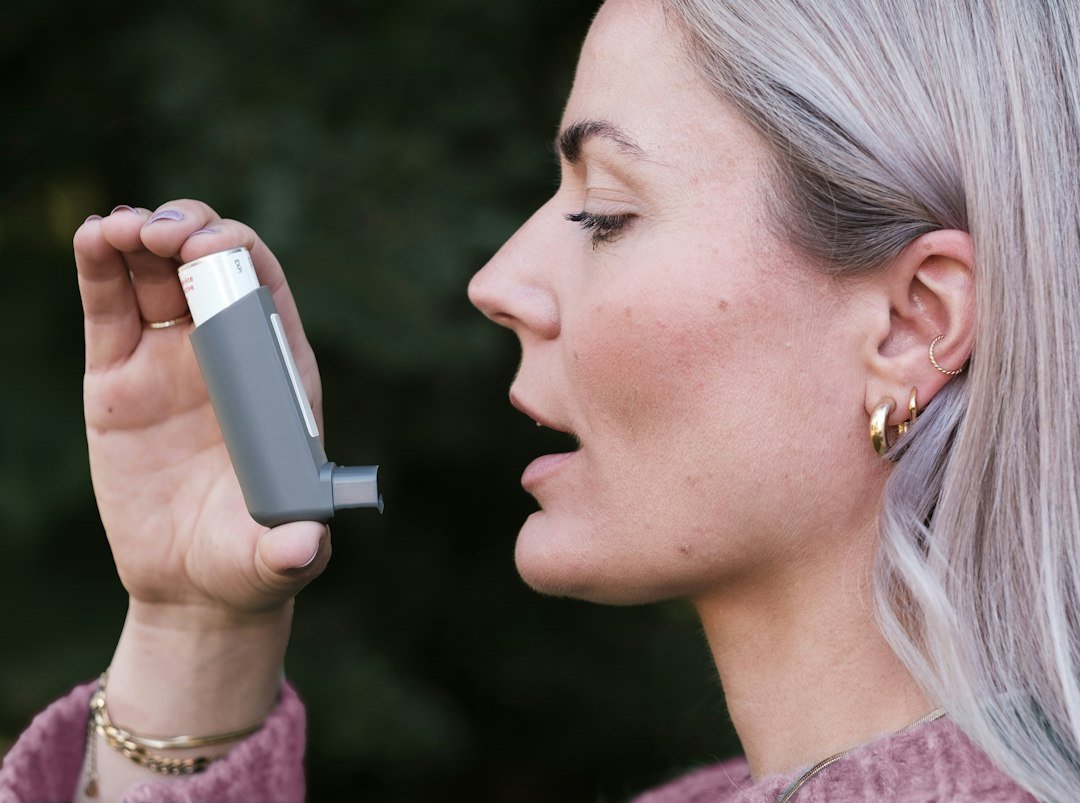
Depending on your symptoms, a pharmacist may suggest an antihistamine tablet, eye drops or a nasal spray. Steroid nasal sprays can be useful for nasal symptoms but may need regular use before the full benefit is felt. Follow the product instructions and ask for advice about the right technique.
Some antihistamines can cause drowsiness and affect driving or operating machinery. Even products described as less sedating may make some people sleepy. Check the label and ask a pharmacist if you take other medicines, have a long-term condition, or are choosing treatment for a child or during pregnancy.
When should you seek medical advice?
Speak to a GP if symptoms are getting worse, disrupting daily life or not improving with pharmacy treatment. Wheezing or breathlessness may need assessment, particularly if you have asthma. If you develop severe breathing difficulty or swelling of the tongue or throat, seek emergency help.
Key takeaway
Hay fever is common, but you do not have to accept weeks of misery. Reducing pollen exposure and getting advice on suitable treatment can help you find relief and enjoy everyday activities more comfortably.
Trusted sources
Medical note: This article is educational and does not replace personalised medical advice. Ask a pharmacist or clinician about symptoms or medicines that concern you.
Written by the nohas.es Editorial Team from the official sources listed in this article. Read our Editorial Policy and Fact Checking Policy. Found an error? Tell us.