
Educational information, not medical advice. See our Medical Disclaimer. Last updated: October 25, 2026.
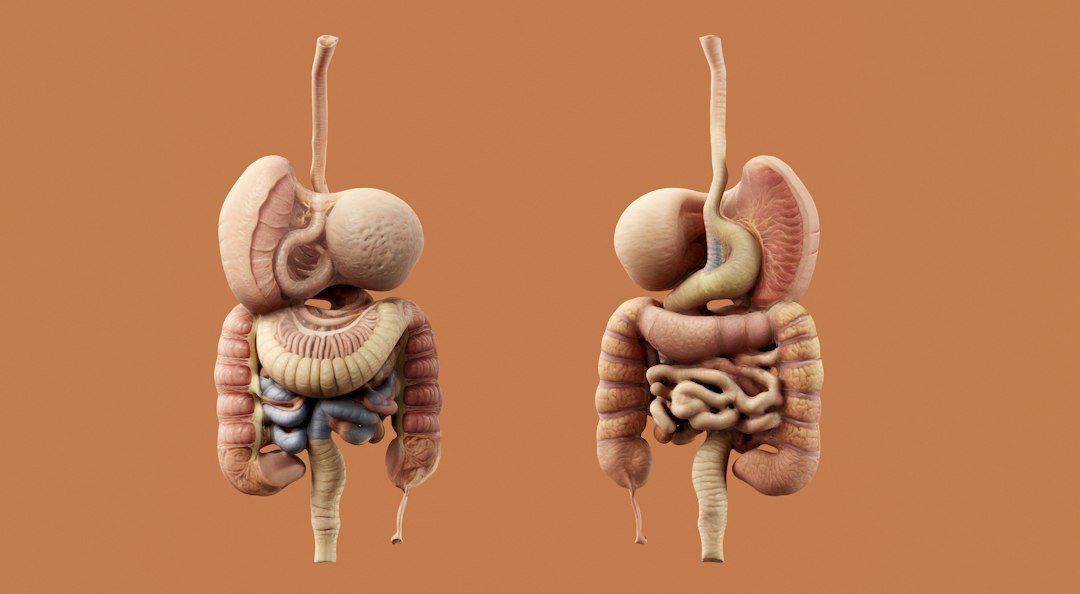
Constipation is common and may mean passing stools less often than usual, having hard or lumpy stools, straining, or feeling that your bowels have not fully emptied. It can be uncomfortable, but simple changes often help. Persistent or unusual symptoms should not be ignored.
Common causes
Constipation may be linked to not eating enough fibre, inadequate fluid intake, limited movement, changes in routine, ignoring the urge to go, stress or side effects from medicines. Some medical conditions can also cause it. Do not stop a prescribed medicine on your own if you think it is contributing; ask your prescriber or pharmacist for advice.
Gentle steps that may help
- Increase fibre gradually through vegetables, fruit, oats, wholegrains, beans and pulses. A sudden large increase may cause bloating.
- Drink enough fluids, unless a clinician has advised you to restrict them.
- Build regular movement into your day, such as walking if you are able.
- Give yourself time to use the toilet and do not repeatedly ignore the urge.
- Try placing your feet on a low stool while sitting on the toilet, so your knees are slightly higher than your hips.
Can a pharmacy help?
If lifestyle changes are not enough, a pharmacist can advise whether a laxative is appropriate and which type may suit you. Follow the product instructions and seek advice before using laxatives for longer than recommended. Children, pregnant people, older adults and people with long-term conditions may need tailored guidance.
When to contact a healthcare professional
Speak to a GP if constipation is persistent or recurring, does not improve with treatment, or comes with unexplained weight loss, blood in your stool, ongoing tiredness, regular bloating, tummy pain or a sudden change in bowel habits. Get urgent medical help for severe or worsening abdominal pain, vomiting, marked abdominal swelling, or inability to pass stool or wind, especially if these occur together.
Can constipation be prevented?
Regular meals, gradual fibre intake, adequate fluids, activity and a consistent toilet routine can help reduce episodes. If symptoms repeatedly return, a clinician can review possible causes and medicines rather than relying on repeated self-treatment.
Key takeaways
Small, consistent changes can help many people, and pharmacists can offer advice about short-term treatments. Red-flag symptoms or persistent constipation deserve medical assessment.
Medical disclaimer: This article is for general educational purposes and cannot replace individual medical advice. If symptoms are severe or worrying, contact a healthcare professional.
Sources
Featured image: fresh fruit as an example of fibre-rich foods. Photo credit: Keesha’s Kitchen via Unsplash.
Written by the nohas.es Editorial Team from the official sources listed above. Read our Editorial Policy and Fact Checking Policy. Found an error? Tell us.
Written by the nohas.es Editorial Team from the official sources listed in this article. Read our Editorial Policy and Fact Checking Policy. Found an error? Tell us.