
Educational information, not medical advice. See our Medical Disclaimer. Last updated: October 29, 2026.
Pneumonia is an infection that inflames the air sacs in one or both lungs. The air sacs can fill with fluid, making breathing difficult. It can range from mild illness treated at home to a serious infection that requires hospital care. Recognising warning signs is especially important for older adults, babies and people with heart, lung or immune-system conditions.
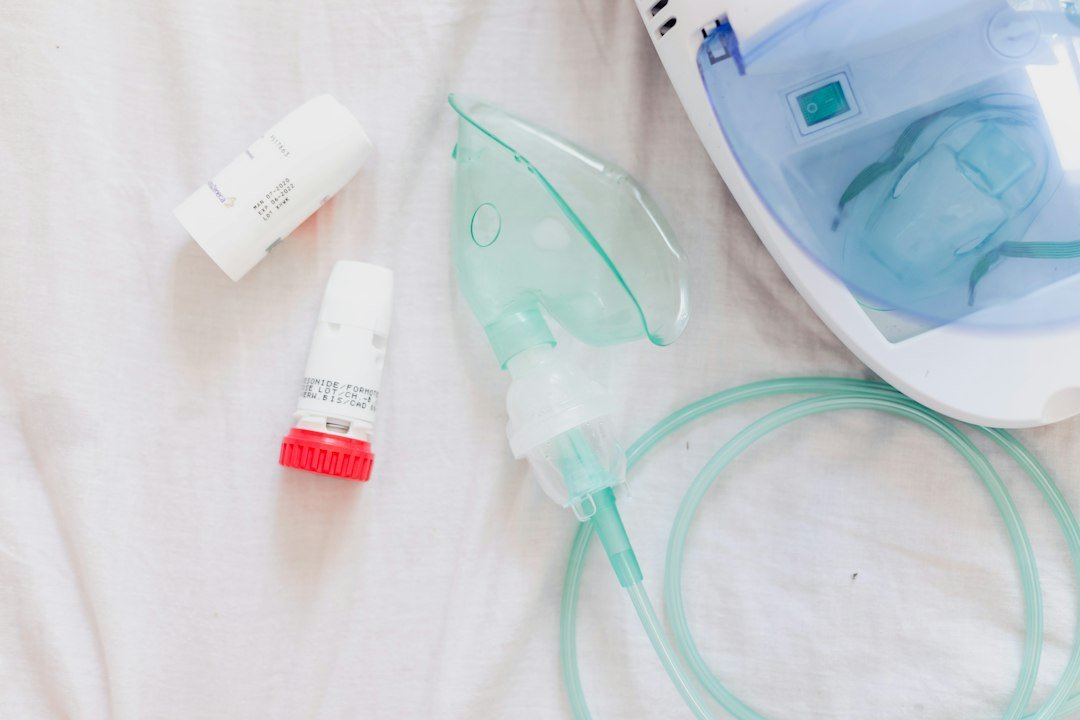
Common symptoms of pneumonia
Symptoms may develop suddenly or gradually over several days. They can include a cough, fever, shortness of breath, chest pain that worsens when breathing or coughing, body aches, tiredness, reduced appetite and wheezing. Older people may become confused or unusually weak rather than showing typical symptoms.
What causes pneumonia?
Pneumonia can be caused by bacteria or viruses and, less commonly, other organisms. A healthcare professional may assess symptoms, breathing, oxygen levels and medical history, and may arrange tests such as a chest X-ray or blood tests depending on how unwell someone is.
How is pneumonia treated?
Treatment depends on the cause and severity. Bacterial pneumonia is generally treated with antibiotics; antibiotics do not treat viral infections themselves. Some people need hospital treatment, oxygen or fluids. If you are prescribed antibiotics, take them exactly as directed and contact your clinician if you are not improving as expected. Do not use leftover antibiotics or share them with anyone else.
Supporting recovery
- Rest and gradually return to usual activities as your energy improves.
- Drink fluids if you have not been advised to restrict them.
- Use paracetamol or ibuprofen only if suitable for you and according to the product instructions or professional advice.
- Avoid smoking and keep away from smoke while recovering.
- Cover coughs and sneezes, dispose of tissues and wash your hands.
Recovery varies. Fever may settle before cough and tiredness fully disappear, and some people need several weeks to feel back to normal. Arrange follow-up if symptoms worsen or do not improve as expected.
When to seek urgent help
Seek urgent medical advice if you have shortness of breath, chest pain that comes and goes or occurs with breathing or coughing, or a persistent cough with concerning symptoms. Call your local emergency number immediately if you are struggling to breathe, have blue or grey lips or skin, cough up blood, or suddenly become confused or difficult to wake.
Who is at higher risk?
Babies and young children, adults over 65, smokers, and people with chronic heart or lung conditions or weakened immunity may be more likely to become seriously unwell. Ask a healthcare professional about recommended vaccinations and ways to reduce respiratory infection risk.
Key takeaways
Pneumonia needs proper assessment, and treatment depends on its cause and severity. Breathing difficulty, blue or grey colouring, coughing up blood or sudden confusion require emergency attention.
Medical disclaimer: This article is educational and cannot diagnose pneumonia or replace advice from a qualified healthcare professional.
Sources
Featured image: person sitting at home, used as a general lifestyle illustration.
Written by the nohas.es Editorial Team from the official sources listed in this article. Read our Editorial Policy and Fact Checking Policy. Found an error? Tell us.