
Educational information, not medical advice. See our Medical Disclaimer. Last updated: October 29, 2026.
Vitamin B12 and folate (vitamin B9) help the body make healthy red blood cells and support important functions. A deficiency in either vitamin can cause a type of anaemia, but low levels can also affect the nervous system. Symptoms may develop gradually, so persistent changes deserve medical attention rather than guesswork or self-treatment.
What symptoms can occur?
Possible symptoms include tiredness, low energy, weakness, a sore or red tongue, mouth ulcers, pins and needles, muscle weakness and problems with memory or concentration. Vitamin B12 deficiency can affect nerves even when anaemia is not obvious. These symptoms have many possible causes and cannot confirm a deficiency on their own.
What causes low B12 or folate?
Vitamin B12 is found naturally in foods such as meat, fish, eggs and dairy products, and in some fortified foods. Deficiency can occur when intake is low or the body cannot absorb B12 properly. Some people are at higher risk because of digestive conditions, previous stomach or bowel surgery, certain medicines or dietary patterns. Folate is found in foods such as leafy green vegetables, beans and fortified cereals; low intake and some medical factors can contribute to deficiency.
How are deficiencies diagnosed?
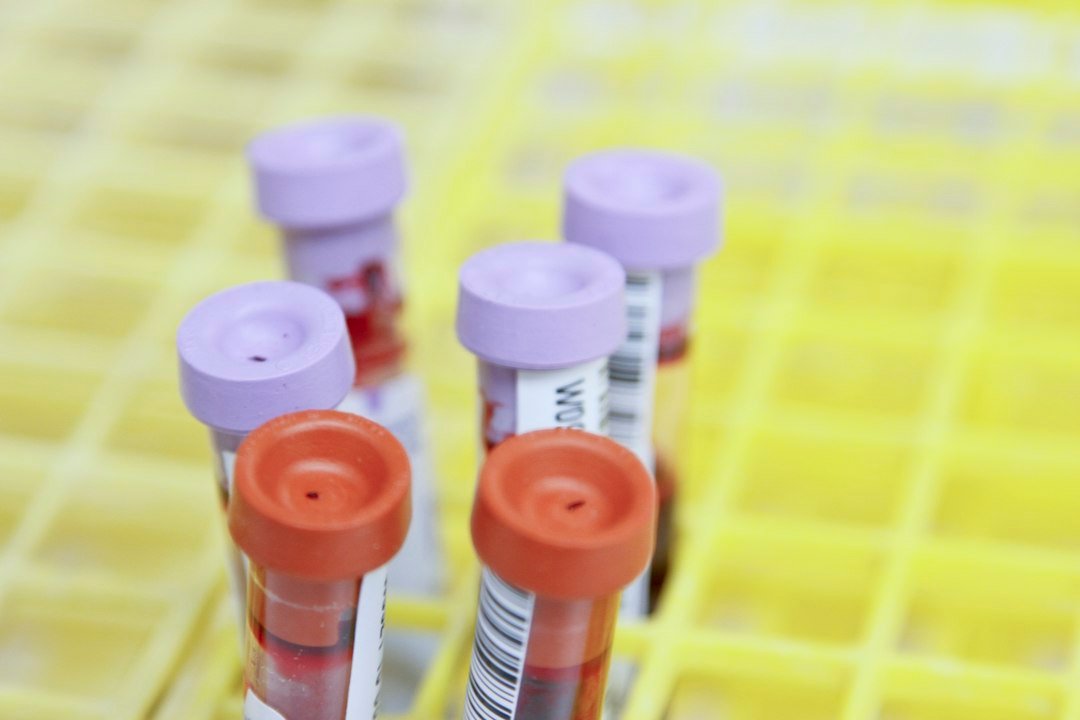
A clinician will ask about symptoms, diet, medical history and medicines, and may arrange blood tests to measure vitamin levels and assess blood cells. Further tests may be needed to investigate why levels are low. Tell the clinician about any supplements you already take, because supplements can affect test interpretation.
Treatment and follow-up
Treatment depends on which vitamin is low and why. B12 may be replaced with tablets or injections, depending on the cause and absorption; folate deficiency is often treated with folic acid. Follow the dose and duration advised by your clinician and attend recommended follow-up blood tests.
Important: Do not treat suspected folate deficiency with folic acid alone before vitamin B12 deficiency has been considered. Folic acid can improve some blood abnormalities while B12-related nerve damage remains untreated.
Can diet help?
A balanced diet can help prevent some deficiencies. B12 sources include fish, meat, eggs, dairy products and fortified foods. Folate sources include green vegetables, peas, beans and fortified cereals. People following a vegan diet may need a reliable fortified food or supplement source of B12; a healthcare professional or registered dietitian can offer individual guidance.
When should you seek advice?
Arrange a medical appointment if you have persistent unexplained tiredness, pins and needles, balance problems, memory changes or a sore tongue. Seek prompt advice for new or worsening neurological symptoms. Do not assume that symptoms are caused by diet alone.
Key takeaways
B12 and folate deficiencies are treatable, but the correct diagnosis matters. Testing and follow-up help identify the cause, choose suitable treatment and prevent complications.
Medical disclaimer: This article is for general educational purposes only and is not a substitute for personalised medical advice, diagnosis or treatment.
Sources
Featured image: a variety of fresh foods arranged for a balanced meal. This image is illustrative and not a complete dietary prescription.
Written by the nohas.es Editorial Team from the official sources listed in this article. Read our Editorial Policy and Fact Checking Policy. Found an error? Tell us.