Educational information, not medical advice. See our Medical Disclaimer. Last updated: October 29, 2026.
Cellulitis is a bacterial infection affecting deeper layers of the skin. It can become serious if treatment is delayed, so recognising the warning signs matters. This guide covers common symptoms, treatment, recovery and when to seek emergency help.
What does cellulitis look and feel like?
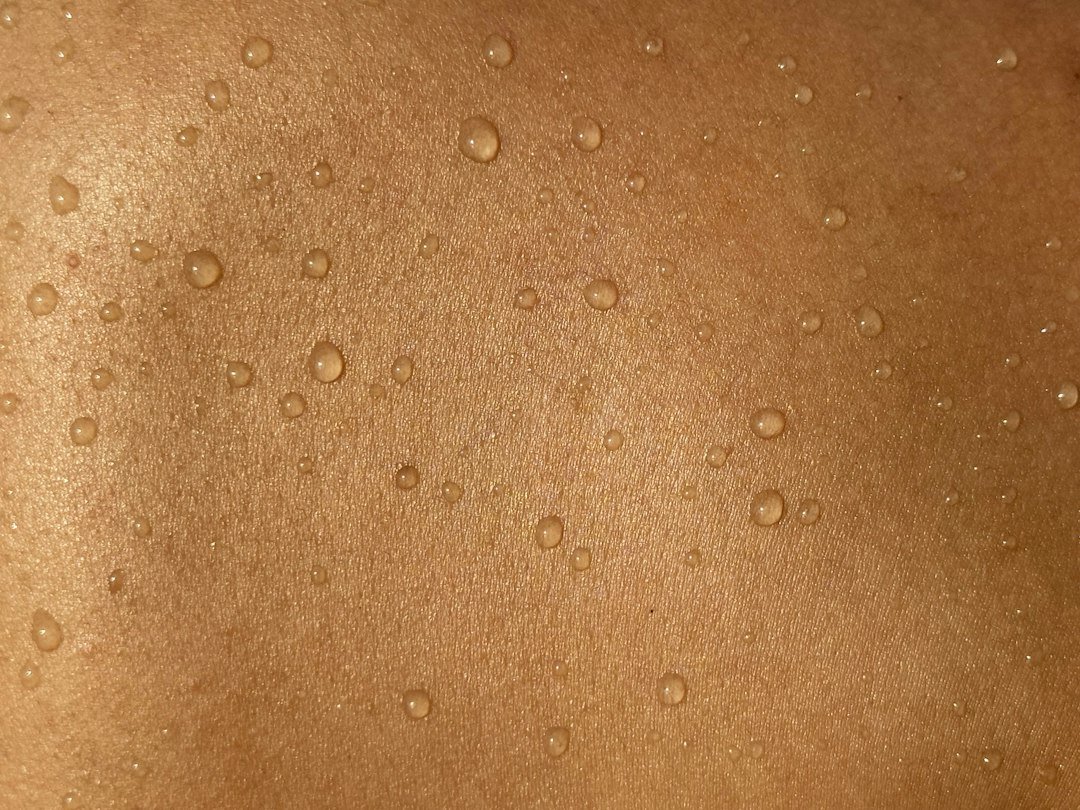
The affected area is often painful, warm and swollen. It may look red, but redness can be harder to see on brown or black skin; the area may instead appear darker or different from the surrounding skin. Blisters can develop, and some people feel feverish, shivery or generally unwell. Cellulitis commonly affects the lower legs but can occur anywhere on the body.
What causes it?
Bacteria can enter through a break in the skin, such as a cut, cracked skin, ulcer, insect bite or surgical wound. The opening may be tiny and difficult to notice. Eczema, athlete’s foot and other conditions that damage the skin barrier can increase risk. People with diabetes, circulation problems, lymphoedema or a weakened immune system may be more vulnerable.
How is it treated?
Cellulitis needs prompt assessment by a healthcare professional. Treatment usually involves prescribed antibiotics; severe infections may require hospital care and antibiotics given into a vein. The choice of medicine and course length depend on the clinical assessment, allergies, infection site and other factors. Do not use leftover antibiotics or share them with another person.
Take prescribed antibiotics exactly as directed and complete the course unless the prescriber tells you otherwise. Symptoms can sometimes look a little worse during the first 48 hours, but they should begin to improve afterwards. Contact the clinician if you are not starting to improve within 2–3 days, or if symptoms worsen rapidly at any time.
What can you do while recovering?
- Rest and, if the affected limb is swollen, raise it comfortably when sitting or lying down.
- Drink enough fluids.
- Keep the area clean and follow the wound-care advice you have been given.
- Use pain relief only if suitable for you and according to the label or professional advice.
- Monitor the affected area and any changes in pain, swelling or colour.
Do not delay medical assessment in an attempt to manage suspected cellulitis with creams or home remedies alone.
When is it an emergency?
Seek urgent same-day medical assessment for skin that is painful, hot and swollen, particularly if the area is spreading. Infection near the eye or nose needs especially prompt attention. Get emergency help if you have a very high temperature or severe shivering, a fast heartbeat or breathing, purple patches, faintness, confusion, cold clammy skin, loss of consciousness or rapidly worsening illness. These can be signs of a serious complication.
Can cellulitis be prevented?
Clean cuts and scrapes promptly, cover wounds as advised, keep skin moisturised if dry or cracked, and treat athlete’s foot or eczema appropriately. If you have a condition that causes leg swelling or poor circulation, follow your clinician’s advice for managing it. If cellulitis returns, tell your healthcare professional, as additional prevention strategies may be appropriate.
Reliable sources
See the NHS cellulitis guidance and the NICE recommendations on cellulitis and erysipelas.
Medical disclaimer: This article is for general information only and does not replace diagnosis or treatment from a qualified healthcare professional. Suspected cellulitis requires prompt medical assessment.
Written by the nohas.es Editorial Team from the official sources listed in this article. Read our Editorial Policy and Fact Checking Policy. Found an error? Tell us.