A complete blood count (CBC), also known as a full blood count (FBC), is one of the most frequently requested laboratory tests. It provides information about the cells circulating in your blood, including red blood cells, white blood cells and platelets. Clinicians use these measurements to assess general health, investigate symptoms and monitor certain medical conditions or treatments.

A CBC is informative, but it is not a diagnosis on its own. Results need to be interpreted alongside symptoms, medical history, medicines, examination findings and, when appropriate, other tests. This guide explains what the test measures, why it may be requested, how to prepare and what an unusual result can mean.
What is a complete blood count?
A CBC measures the number and, in many cases, the size or characteristics of several types of blood cells. A standard panel commonly includes red blood cell count, haemoglobin, haematocrit, white blood cell count and platelet count. Many laboratories also report red cell indices, while a CBC with differential provides a breakdown of the main types of white blood cells.
The exact panel can vary between laboratories and healthcare systems. The US National Library of Medicine’s MedlinePlus guide explains the main components and the purpose of the test.
What does each part of the CBC measure?
Blood contains several cell types with different jobs. Red blood cells transport oxygen, white blood cells take part in immune defence, and platelets help the blood clot after an injury.
| Test component | What it measures | Why it matters |
|---|---|---|
| Red blood cell count (RBC) | Number of red blood cells in a given volume of blood. | Helps assess conditions affecting red cell production or loss. |
| Haemoglobin (Hb) | Amount of the oxygen-carrying protein in red blood cells. | Low levels may indicate anaemia; high levels need assessment in context. |
| Haematocrit (Hct) | Proportion of blood volume made up of red blood cells. | Provides additional information about red cell concentration. |
| White blood cell count (WBC) | Total number of white blood cells. | Can change with infections, inflammation, medicines and blood disorders. |
| Platelet count | Number of platelets, which help form blood clots. | Very low or high counts may be associated with bleeding or clotting concerns. |
| Red cell indices | Measures such as MCV, MCH and MCHC describing red cell size and haemoglobin content. | Help clinicians classify patterns of anaemia and decide whether further tests are needed. |
Understanding the main red blood cell measurements
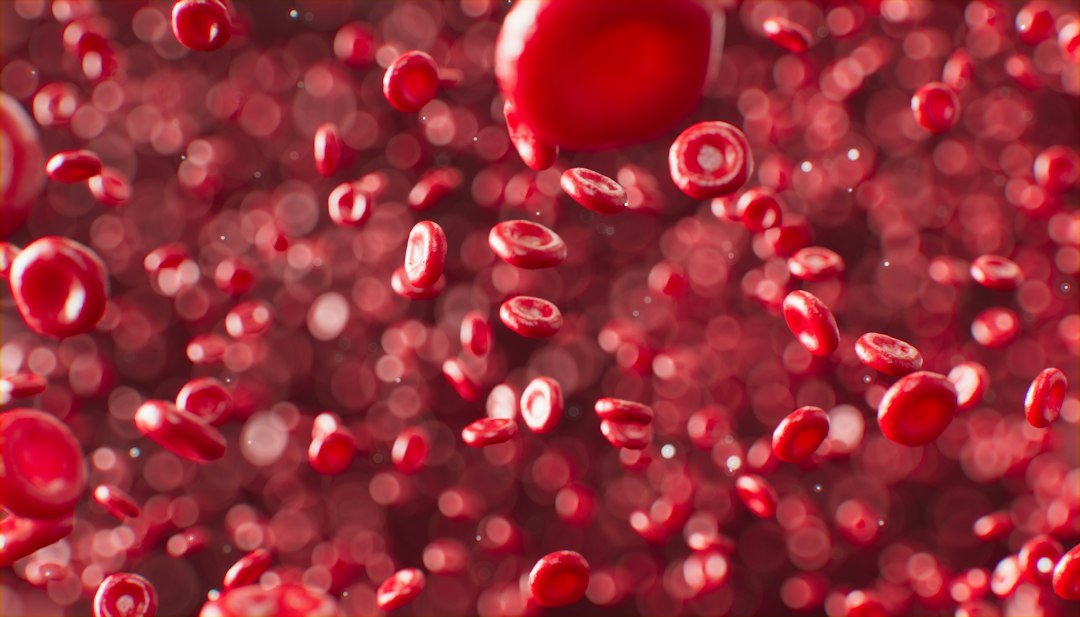
Haemoglobin, haematocrit and red blood cell indices are often considered together. A low haemoglobin result may be consistent with anaemia, but the CBC does not always identify the cause. Iron deficiency, vitamin B12 or folate deficiency, chronic inflammation, inherited conditions, blood loss and other problems can produce different patterns.
| Measurement | Plain-English explanation | Possible follow-up |
|---|---|---|
| MCV | Average size of red blood cells. | Iron studies, vitamin B12 or folate tests, depending on the pattern. |
| MCH | Average amount of haemoglobin in each red blood cell. | Interpretation alongside haemoglobin and MCV. |
| MCHC | Average concentration of haemoglobin within red blood cells. | Review of the full blood count and clinical context. |
| RDW | Variation in red blood cell size, when included in the report. | May help assess mixed or evolving causes of anaemia. |
These indices are clues rather than stand-alone diagnoses. A clinician may request ferritin, transferrin saturation, vitamin levels, reticulocyte count or a blood film to investigate further.
What do white blood cell results tell you?
White blood cells are part of the immune system. A raised count can occur with infection, inflammation, physical stress, smoking or some medicines, among other causes. A lower count may be related to certain viral infections, medicines, autoimmune conditions, nutritional deficiencies or bone marrow problems.
If a differential is included, the report may list neutrophils, lymphocytes, monocytes, eosinophils and basophils. Each group has different functions. For example, neutrophils are important in defence against many bacterial and fungal infections, while eosinophils can be involved in allergic responses and some parasitic infections.
What do platelet results mean?
Platelets help stop bleeding by forming an initial plug at an injured blood vessel. A low platelet count is called thrombocytopenia and may increase the tendency to bruise or bleed, depending on how low the count is and the underlying cause. A high count, known as thrombocytosis, can occur temporarily with infection, inflammation or iron deficiency, but sometimes requires investigation for a bone marrow condition.
The number alone does not tell the whole story. Platelet function, medicines such as anticoagulants, other blood results and a person’s symptoms can all affect clinical decisions.
Why might a clinician request a CBC?
A CBC may be requested as part of a routine health assessment or to investigate symptoms such as persistent tiredness, weakness, fever, recurrent infections, unexplained bruising or bleeding. It is also used to monitor some long-term conditions and to check for changes during treatments that may affect blood cell production.
Examples of reasons include:
- Checking for anaemia or investigating possible blood loss.
- Assessing possible infection or inflammation alongside symptoms and other tests.
- Investigating unusual bruising, bleeding or recurrent infections.
- Monitoring blood counts during selected medicines or cancer treatments.
- Following known blood or bone marrow conditions.
A CBC is not a universal screening test for every disease. The clinician chooses it when the information is relevant to the person’s circumstances.
How should you prepare for the test?
For a CBC on its own, fasting is usually not required. However, if the blood test appointment includes other investigations, such as fasting glucose or certain lipid tests, the laboratory or healthcare professional may give separate instructions. Always follow the instructions provided for your complete test order.
A trained professional usually takes a small blood sample from a vein in the arm. The sample is labelled and sent to the laboratory, where automated analysers count and measure the cells. Occasionally, the laboratory may examine a blood film under a microscope if the analyser detects an unusual pattern or if a clinician requests it.

How are CBC results interpreted?
Your report usually includes a result, a unit and a reference interval supplied by the laboratory. A result outside that interval is not automatically proof of disease, and a result inside it does not rule out every condition. Reference intervals can differ according to the laboratory method, equipment, age, sex, pregnancy status and other factors.
For this reason, use the reference interval printed on your own report rather than comparing your result with a range found on an unrelated website. The clinical team may compare current results with previous tests and decide whether repeat testing or additional investigations are appropriate. A useful clinical overview is available in the NCBI Bookshelf review of normal and abnormal CBC results.
When should you seek medical advice?
Discuss unexpected results with the healthcare professional who requested the test, particularly if you have ongoing symptoms or the laboratory has marked a result as urgent. Do not start iron, vitamin supplements or other treatment solely because one CBC value is outside the reference interval; the cause should be established first.
Seek urgent medical help for severe breathlessness, chest pain, fainting, uncontrolled bleeding, or a rapidly worsening condition, regardless of whether a CBC has been performed.
Frequently asked questions
Is a CBC the same as a full blood count?
They are broadly equivalent terms. CBC is commonly used in the United States, while full blood count (FBC) is widely used in the United Kingdom.
Does a CBC detect every infection?
No. White blood cell changes can support an assessment, but a CBC cannot identify every infection or determine the exact germ. Specific cultures, antigen tests or molecular tests may be needed.
Can a CBC diagnose anaemia?
Haemoglobin and related measurements can identify a pattern consistent with anaemia. Further tests are often needed to find its cause.
How long do results take?
Timing varies by laboratory, urgency and whether additional examination is required. The laboratory or requesting clinic can provide the expected timeframe.
Key points to remember
- A CBC measures red blood cells, white blood cells, platelets and related indices.
- It can help investigate symptoms and monitor health conditions or treatments.
- Abnormal values are clues, not diagnoses in isolation.
- Use the reference interval on your own laboratory report and discuss results with a qualified healthcare professional.
References and further reading
- MedlinePlus – Complete Blood Count (CBC)
- NCBI Bookshelf – Normal and Abnormal Complete Blood Count With Differential
- National Heart, Lung, and Blood Institute – Blood Tests
- UCSF Health – CBC Blood Test
Medical information notice: This article is for general educational purposes and does not replace an individual assessment, diagnosis or treatment plan from a qualified healthcare professional.