
Educational information, not medical advice. See our Medical Disclaimer. Last updated: October 28, 2026.
That familiar burning feeling after a meal can be uncomfortable and disruptive. Occasional heartburn is common, but symptoms that happen frequently or affect swallowing deserve attention. This guide explains acid reflux in clear, practical terms and outlines when to seek advice.
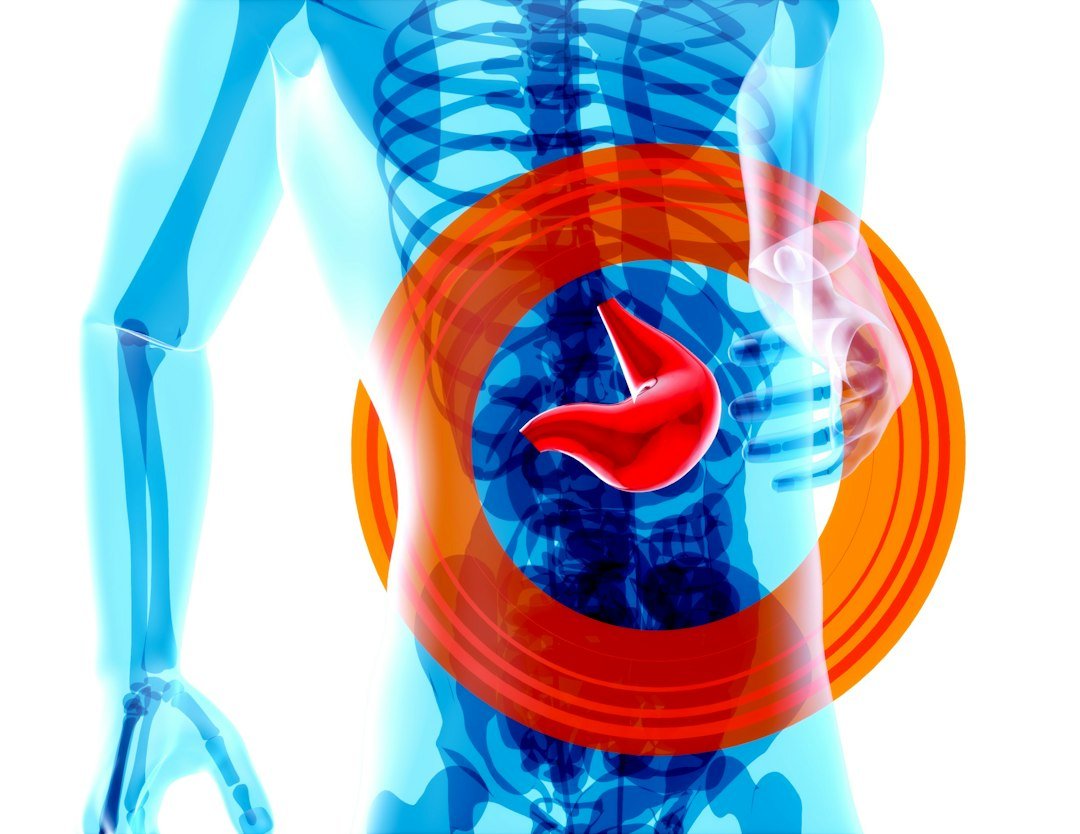

What is acid reflux?
Acid reflux happens when stomach contents travel back up towards the oesophagus, the tube connecting your mouth to your stomach. It can cause heartburn, which feels like a burning sensation in the middle of the chest, and a sour or unpleasant taste in the mouth. When reflux keeps recurring, it may be called gastro-oesophageal reflux disease (GORD).
Common symptoms and triggers
Symptoms can be worse after meals, when bending over or when lying down. Some people also experience bloating, nausea, repeated hiccups, a persistent cough, a hoarse voice or bad breath. Possible triggers include large meals, fatty or spicy foods, coffee, chocolate, alcohol, smoking, pregnancy, being overweight and some medicines, including certain anti-inflammatory painkillers. Triggers vary from person to person.
Practical steps that may help
- Try smaller, more frequent meals instead of very large meals.
- Avoid eating for around three to four hours before bedtime.
- Notice which foods or drinks trigger symptoms and reduce those where practical, rather than following an unnecessarily restrictive diet.
- If you are overweight, gradual weight loss may help reduce symptoms.
- Raise the head end of the bed by about 10–20 cm if night-time symptoms are a problem. Extra pillows alone may not work as well.
- Avoid smoking and find manageable ways to reduce stress if it worsens your symptoms.
Do not stop a prescribed medicine because you suspect it contributes to reflux. Ask your doctor or pharmacist to review it first.
What can a pharmacist recommend?
Antacids can neutralise stomach acid for short-term relief, while alginates form a barrier that may help reduce reflux. Other medicines reduce the amount of acid your stomach produces. These treatments are not suitable for everyone, and antacids can affect how other medicines are absorbed. Read the patient information leaflet and ask a pharmacist if you take regular medicines, have a long-term condition or are pregnant.
If symptoms occur most days or over-the-counter treatment is not helping, a clinician may consider a prescribed proton pump inhibitor (PPI), such as omeprazole, for a defined course. The appropriate treatment and duration depend on your circumstances. Do not continue frequent self-treatment indefinitely without seeking advice.
When should you speak to a doctor?
Arrange a medical review if heartburn happens most days, persists despite lifestyle changes and pharmacy treatment, or is accompanied by food sticking when you swallow, repeated vomiting or unexplained weight loss. You may need further assessment if symptoms are severe, unusual or do not respond to treatment.
Important: do not assume new or severe chest pain is heartburn. If chest pain is sudden, severe, persistent, or comes with breathlessness, sweating, faintness, or pain spreading to the arm, jaw, back or neck, seek emergency medical help.
Key takeaway
Small changes to meal timing and sleep position can help some people, and a pharmacist can advise on short-term treatment. Frequent, worsening or unusual symptoms should be assessed rather than masked with repeated medication.
Trusted sources
- NHS: Heartburn and acid reflux
- NHS: Antacids
- NICE: Gastro-oesophageal reflux disease and dyspepsia guidance
Medical note: This article is educational and is not a substitute for individual diagnosis or treatment. If symptoms worry you, speak with a qualified healthcare professional.
Written by the nohas.es Editorial Team from the official sources listed in this article. Read our Editorial Policy and Fact Checking Policy. Found an error? Tell us.