
Vitamin K antagonists (VKAs) are anticoagulant medicines prescribed to reduce the formation of blood clots. They can prevent certain ischaemic strokes, particularly in people with atrial fibrillation or a mechanical heart valve. However, their anticoagulant effect also increases the risk of bleeding, which can sometimes be serious. Understanding the relationship between VKAs and stroke can help patients follow treatment safely, but the dose must never be changed without medical advice.

1. What are vitamin K antagonists?
VKAs reduce the blood’s ability to form clots. They interfere with the recycling of vitamin K, which the liver needs to produce several clotting factors, including factors II, VII, IX and X. They do not literally make the blood thinner; instead, they slow down parts of the clotting process.
Medicines in this group include warfarin, acenocoumarol and, in some countries, fluindione. Their duration of action and monitoring requirements differ. The choice depends on the condition being treated, medical history, other medicines and local availability. The dose is individual: two people taking the same medicine may need very different amounts.
2. How are VKAs linked to stroke?
An ischaemic stroke happens when an artery supplying the brain becomes blocked, often by a blood clot. In atrial fibrillation, an irregular heart rhythm can allow blood to pool in the upper chambers of the heart and form a clot. If the clot travels to an artery in the brain, it can cause a stroke. An appropriate anticoagulant reduces this risk in patients whose risk of an embolic stroke is high enough to warrant treatment.
VKAs are also essential for many people with a mechanical heart valve, because artificial valves can encourage clot formation. They may be used in other selected circumstances following specialist assessment. They do not prevent every type of stroke: high blood pressure, atherosclerosis, diabetes, smoking and other causes require their own prevention strategies.
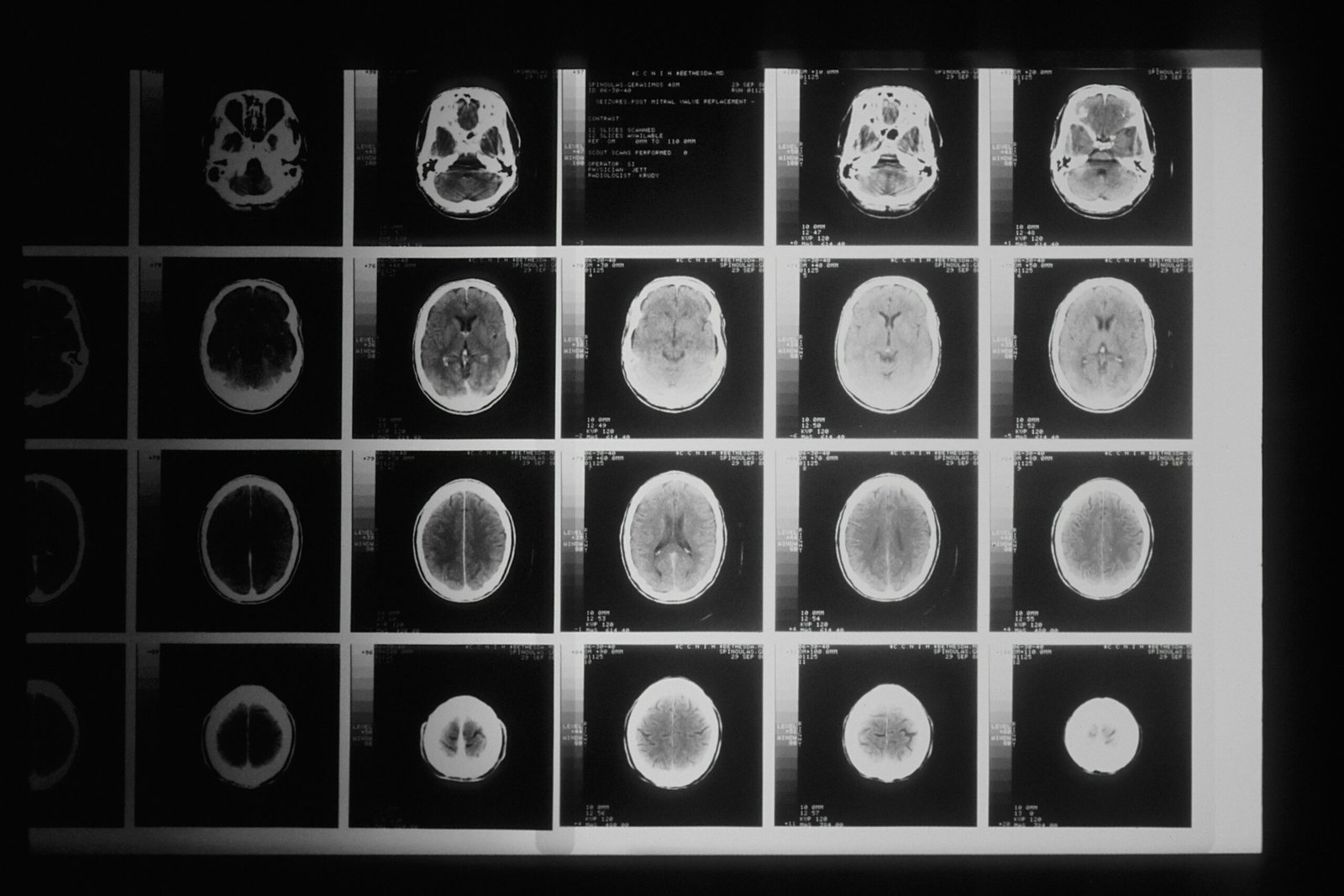
3. Ischaemic and haemorrhagic stroke: two different conditions
In an ischaemic stroke, a blood vessel is blocked and part of the brain is deprived of oxygen. Anticoagulation can help prevent some of these strokes when they are caused by a clot originating in the heart. In a haemorrhagic stroke, a blood vessel ruptures and blood leaks into or around the brain. VKAs do not prevent this type of stroke; their effect can make the bleeding more severe or allow it to spread.
A sudden, unusually severe headache, weakness on one side, difficulty speaking, loss of vision or sudden confusion is a medical emergency. Symptoms alone cannot establish which type of stroke has occurred; urgent brain imaging is needed. Do not delay calling emergency services.
4. VKAs or direct oral anticoagulants: what do guidelines say?
Guidelines from the European Society of Cardiology (ESC, 2024) and the American College of Cardiology/American Heart Association (ACC/AHA, 2023) generally favour direct oral anticoagulants (DOACs), such as apixaban, dabigatran, edoxaban and rivaroxaban, for eligible people with atrial fibrillation. This preference does not apply to people with mechanical heart valves or moderate-to-severe mitral stenosis, for whom VKAs remain the standard treatment. Kidney function, drug interactions, bleeding risk, cost and patient preferences also influence the decision.

5. Why is INR monitoring essential?
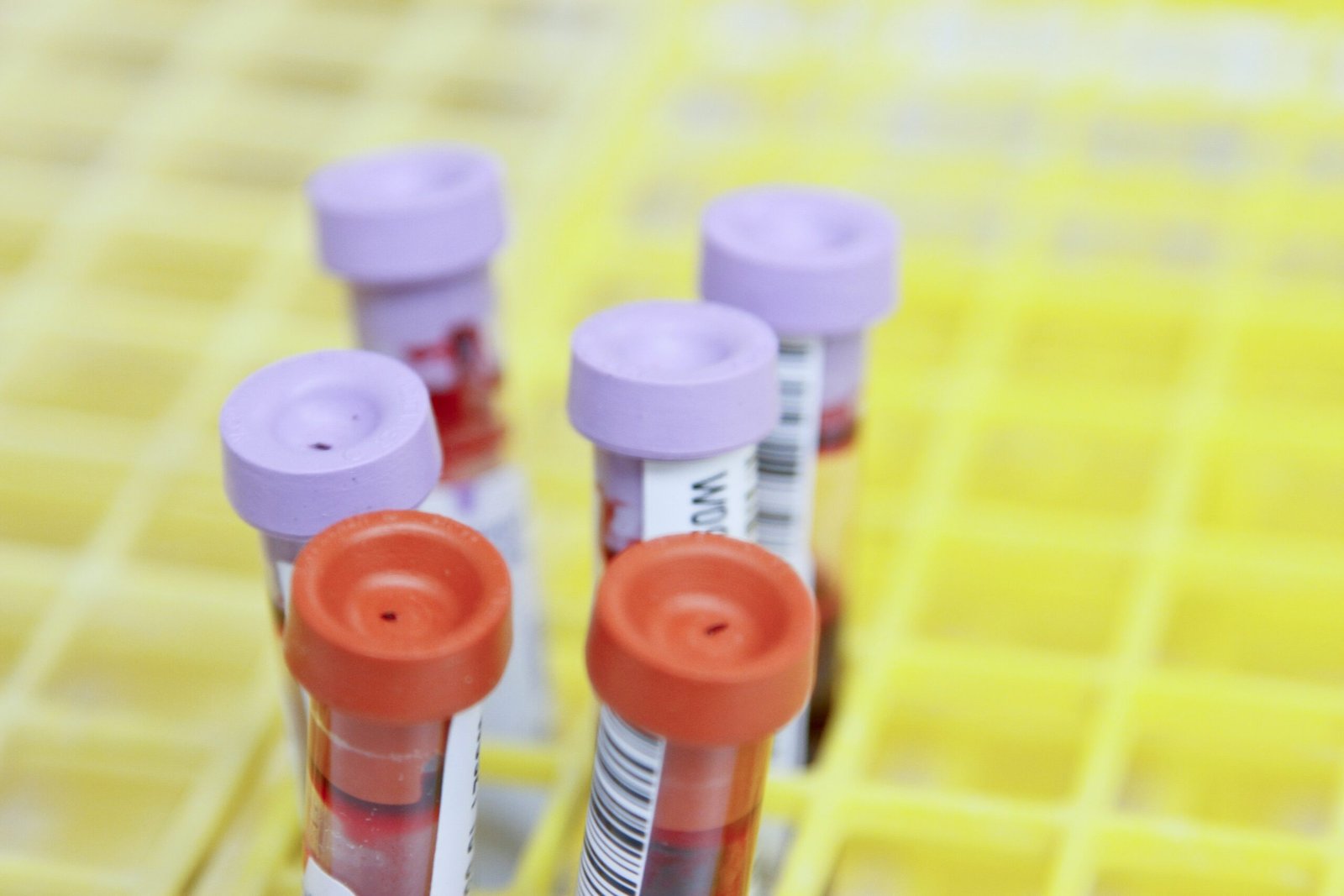
The international normalised ratio (INR) measures the effect of a VKA on blood clotting. An INR that is too low may mean that protection against clots is inadequate; an INR that is too high increases the risk of bleeding. The target depends on the condition being treated and the type of heart valve. For many people taking a VKA for atrial fibrillation, the usual target is 2.0 to 3.0, but this range does not apply automatically to every indication, particularly mechanical valves.
Your clinical team will decide how often blood tests are needed. Checks are usually more frequent when treatment starts, after a dose change, during an illness or when a medicine that may interact is introduced. Once the INR is stable, testing may be less frequent according to the care plan. Keep a record of results and follow your own clinician’s instructions.
6. Food, medicines and everyday habits
Vitamin K is found in leafy green vegetables, broccoli and some cabbages. You do not usually need to avoid these foods. The important point is to keep your intake reasonably consistent: a sudden increase or decrease may affect your INR. Tell the team monitoring your treatment about any major dietary change.
Many products can interact with VKAs, including some antibiotics, antifungal medicines, anti-inflammatory painkillers such as ibuprofen, aspirin, heart medicines, anti-epileptic medicines, herbal products and food supplements. Alcohol and some juices may also affect warfarin. Before taking an over-the-counter medicine or supplement, ask your doctor or pharmacist. Do not add aspirin or an anti-inflammatory medicine unless your clinician has approved it.
7. Recognising signs of bleeding
Unusual bruising, repeated nose or gum bleeds, unusually heavy periods, blood in the urine, black or bloody stools, vomiting blood or bleeding that will not stop require prompt medical advice. A blow to the head should be reported urgently, even if there are no immediate symptoms.
A severe or unusual headache, drowsiness, confusion, weakness on one side, difficulty speaking or loss of consciousness may indicate bleeding in or around the brain or a stroke. Call emergency services immediately. Tell the team that the person takes a VKA, give the medicine’s name and the time of the last dose, and provide the latest INR result if available.

8. What should you do if you suspect a stroke?
Remember FAST: Face drooping, Arm weakness, Speech difficulty and Time to call emergency services. Note when symptoms began, or the last time the person was known to be well. Do not give food, drink or aspirin, and do not change the person’s anticoagulant treatment yourself. Emergency clinicians will carry out the necessary assessment and brain imaging.
If a brain haemorrhage is confirmed in someone taking a VKA, hospital specialists may need to reverse anticoagulation rapidly, often using a prothrombin complex concentrate and intravenous vitamin K according to specialist protocols. This decision must be made by the medical team. After an ischaemic stroke, the timing of restarting or adjusting an anticoagulant depends on imaging, the size of the infarct and the risk of haemorrhagic transformation.
Frequently asked questions
Can VKAs cause a stroke?
They reduce the risk of some ischaemic strokes but increase the risk of bleeding, including bleeding in the brain. The balance of benefit and risk depends on the reason for treatment and how well the INR is controlled.
Should I avoid green vegetables while taking a VKA?
Not routinely. Keep your intake consistent and tell the team monitoring your INR about significant dietary changes.
Can I stop a VKA if my INR is normal?
No. An INR within your target range means the medicine is having the intended effect at that time; it does not mean the underlying condition has gone away. Never stop treatment or change the dose without medical advice.
Key points
Vitamin K antagonists play an important role in preventing certain ischaemic strokes, particularly in selected people with atrial fibrillation and in those with mechanical heart valves. Safe use depends on an individualised dose, regular INR checks, a consistent diet and awareness of interactions and bleeding symptoms. Sudden neurological symptoms or significant bleeding require urgent medical help.
Medical sources and guidelines
- European Society of Cardiology (ESC) – 2024 Guidelines for the management of atrial fibrillation.
- ACC/AHA/ACCP/HRS – 2023 Guideline for the Diagnosis and Management of Atrial Fibrillation.
- AHA/ASA – 2021 Guideline for the Prevention of Stroke in Patients With Stroke and Transient Ischaemic Attack.
- NICE – Stroke and transient ischaemic attack in over 16s: diagnosis and initial management.
- European Stroke Organisation – Guideline on reversal of oral anticoagulants in acute intracerebral haemorrhage.
- NHS – Anticoagulant medicines: considerations and interactions.
- Mayo Clinic – Warfarin side effects and interactions.
Medical disclaimer: This article is for general information and does not replace a consultation, diagnosis or prescription. INR targets and decisions about anticoagulant treatment must be made by a healthcare professional familiar with the patient’s medical history.