
Antibiotics are medicines used to treat certain bacterial infections. They can be lifesaving when prescribed for the right condition, but they are not effective against viruses such as those that cause most colds and flu. Understanding when antibiotics are useful—and how to take them safely—helps protect both individual health and the effectiveness of these medicines for the future.
What do antibiotics treat?
Antibiotics work against bacteria. Depending on the medicine and the infection, they may be prescribed for conditions such as some urinary tract infections, bacterial pneumonia, or certain skin infections. The choice depends on the likely bacteria, the site and severity of infection, allergies, other medicines and local clinical guidance.
Not every infection needs an antibiotic. Some mild bacterial infections improve without one, while others require prompt treatment. A clinician assesses symptoms and, when appropriate, may arrange a test or take a sample to help guide treatment.
Why antibiotics do not treat colds or flu
Colds, influenza and most sore throats are caused by viruses. Antibiotics target bacteria, not viruses, so taking them for a viral illness will not make the infection go away faster. Unnecessary use can still cause side effects and contribute to antibiotic resistance.
Sometimes a person with a viral illness develops a bacterial complication, but this needs clinical assessment. Do not use leftover antibiotics or someone else’s prescription to try to treat symptoms.
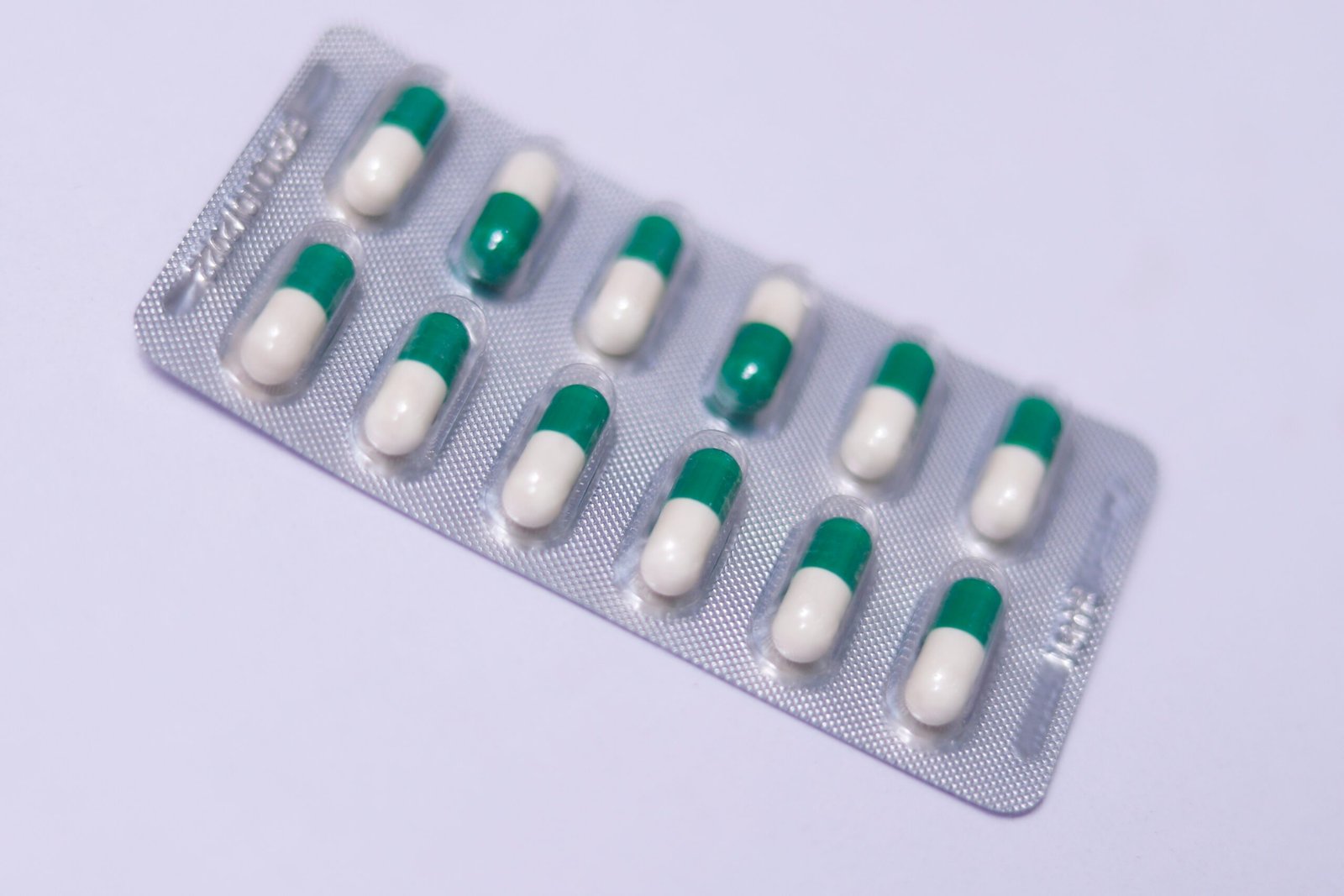
How to take a prescribed antibiotic safely
- Follow the dose, timing and duration on the prescription label and the advice given by your prescriber or pharmacist.
- Check whether the medicine should be taken with food, on an empty stomach, or separated from particular foods or other medicines.
- Do not share antibiotics with another person, even if their symptoms seem similar.
- Do not save leftover doses for a future illness.
- If you miss a dose, check the patient leaflet or ask a pharmacist; do not double up unless specifically instructed.
The correct duration depends on the infection and the antibiotic. Follow the exact instructions on your prescription and from your prescriber; do not stop early, extend the treatment or change the dose on your own. Some infections need shorter courses than others, so do not use a general rule from another person’s treatment. If you feel better but are unsure whether to continue, contact your prescriber or pharmacist. Return unused antibiotics to a pharmacy for safe disposal where this service is available; do not keep them for another illness or share them.

Possible side effects and allergic reactions
Common side effects can include nausea, diarrhoea, bloating and stomach discomfort, although the exact risks depend on the antibiotic. Contact a healthcare professional if side effects are troublesome, persistent or worrying. Tell your prescriber or pharmacist about any previous reaction to an antibiotic and describe what happened; nausea or diarrhoea alone does not necessarily mean you have an allergy. Also mention pregnancy or breastfeeding, kidney or liver conditions, and all medicines or supplements you take, because some antibiotics have important interactions or need individual dose adjustments.
Seek emergency help if you develop signs of a severe allergic reaction, such as difficulty breathing, swelling of the face, lips, tongue or throat, or collapse. A new widespread rash, severe or persistent diarrhoea, or blood in the stool also needs prompt medical advice.

What is antibiotic resistance?
Antibiotic resistance occurs when bacteria change over time and medicines that once killed them become less effective. It is the bacteria—not the person’s body—that become resistant. Infections caused by resistant bacteria can be harder to treat and may require different medicines or specialist care.
Using antibiotics only when needed, taking them exactly as prescribed and never sharing or reusing them helps reduce unnecessary exposure. Good hand hygiene, vaccination where recommended, and safe food preparation can also help prevent infections.
Can I drink alcohol while taking antibiotics?
It depends on the specific antibiotic and your health. Alcohol can worsen symptoms such as nausea or dizziness, and it interacts with some medicines. Check the leaflet and ask a pharmacist before drinking alcohol during treatment. Do not assume that advice for one antibiotic applies to all antibiotics.
When to seek medical advice
Contact your healthcare professional if symptoms worsen, do not improve within the timeframe you were given, or return after treatment. Seek urgent help for severe symptoms such as difficulty breathing, confusion, severe dehydration, or rapidly worsening illness. People who are pregnant, immunocompromised, very young, older or living with significant long-term conditions may need tailored advice sooner.
Frequently asked questions
Can I take antibiotics left over from last time?
No. The medicine may be unsuitable for the current illness, may be expired, or may be the wrong dose. A clinician should assess whether an antibiotic is needed.
Do antibiotics weaken the immune system?
Antibiotics do not generally weaken the immune system, but they can affect normal bacteria in the body and cause side effects. They should be used only when there is a clear clinical reason.
Should I ask for antibiotics for a cold?
No. Most colds are viral and improve with supportive care. A clinician can advise if symptoms suggest another problem or a complication.
Reliable sources
- NHS – Antibiotics
- World Health Organization – Antimicrobial resistance
- US Centers for Disease Control and Prevention – Antibiotic Use
Medical disclaimer: This article provides general information, not a diagnosis or an individual treatment plan. Always follow the advice provided for your prescription and consult a qualified healthcare professional about symptoms, allergies or side effects.