
Medicine labels contain essential information that helps people use medicines safely. Whether a product is prescribed or bought over the counter, taking a moment to read the packaging and patient information leaflet can help prevent avoidable mistakes. This guide explains the main parts of a medicine label and when to ask a pharmacist for advice.
1. Check the medicine name and active ingredient
Start by confirming the product name and its active ingredient. Different brands can contain the same ingredient, while products with similar names may contain different medicines. This matters when using more than one product: taking two medicines with the same active ingredient can lead to an accidental double dose.
Look for the strength, which may be written in milligrams (mg), micrograms (micrograms or mcg), milligrams per 5 millilitres, or another unit. Do not assume that two packs with the same medicine name have the same strength or formulation.
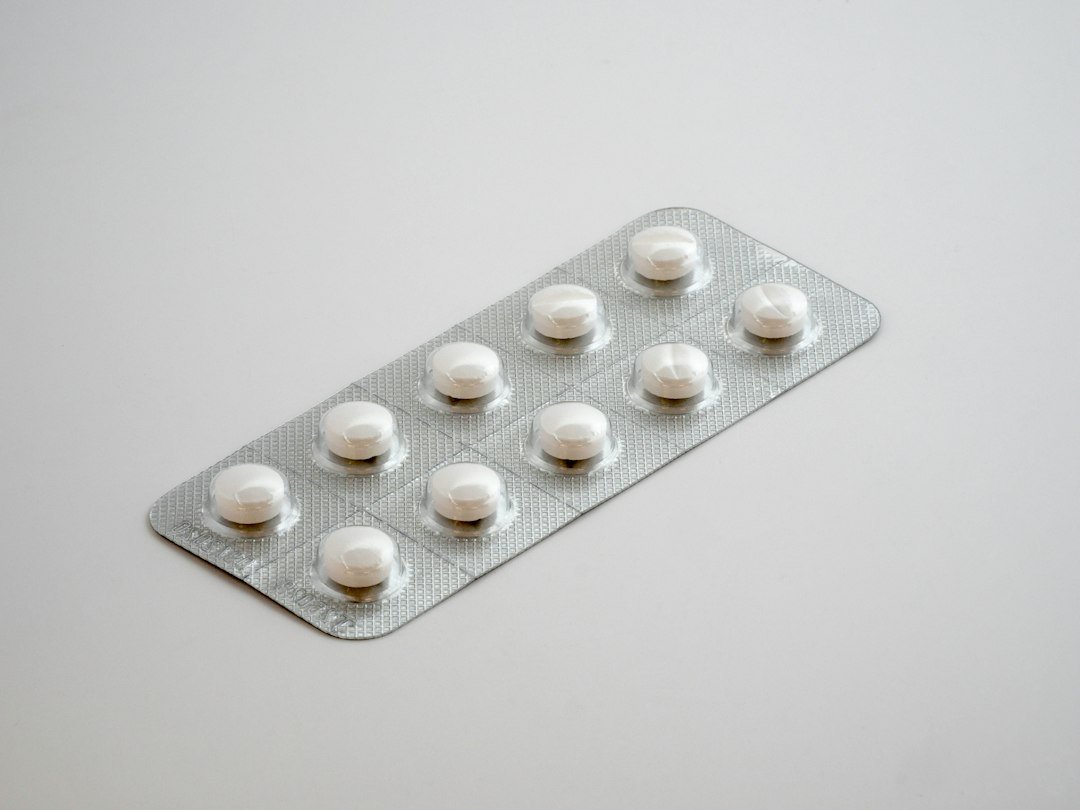
2. Understand the dose and frequency
The label or leaflet should explain how much to take, how often to take it and, where relevant, the maximum amount in a 24-hour period. Follow the instructions supplied for your specific product and personal circumstances. A dose suitable for one person may not be suitable for a child, an older adult, someone who is pregnant, or a person with kidney or liver problems.
Use the measuring device supplied with liquid medicines rather than a household teaspoon. If the instructions are unclear, ask a pharmacist before taking the medicine. Do not increase a dose because symptoms have not improved quickly.
3. Read the warnings and precautions
Warnings may explain who should avoid the medicine, which health conditions require extra care, and whether it can interact with other medicines, alcohol or certain foods. Tell a pharmacist or prescriber about all medicines and supplements you use, including occasional painkillers and herbal products.
Some medicines can cause drowsiness or affect concentration. Check the label before driving, cycling or operating machinery. If a medicine carries a warning about pregnancy or breastfeeding, seek professional advice rather than relying on a general online recommendation.

4. Check storage instructions and expiry dates
Storage advice can affect how well a medicine works. Some products should be kept at room temperature, away from heat and moisture; others may need refrigeration. Keep medicines in their original packaging where possible, and store them securely away from children and pets.
Check the expiry date and any instructions about how long a product can be used after opening. Do not use a medicine if its appearance, smell or packaging has changed unexpectedly. Ask a pharmacist how to dispose of unwanted or expired medicines safely; do not flush them down the toilet unless local guidance specifically says to.
5. Know what to do if you miss a dose
Missed-dose advice differs between medicines. The leaflet may explain what to do, but never take a double dose unless a healthcare professional has specifically instructed you to. If you are unsure, contact your pharmacist or prescriber. This is particularly important for medicines where timing is critical.
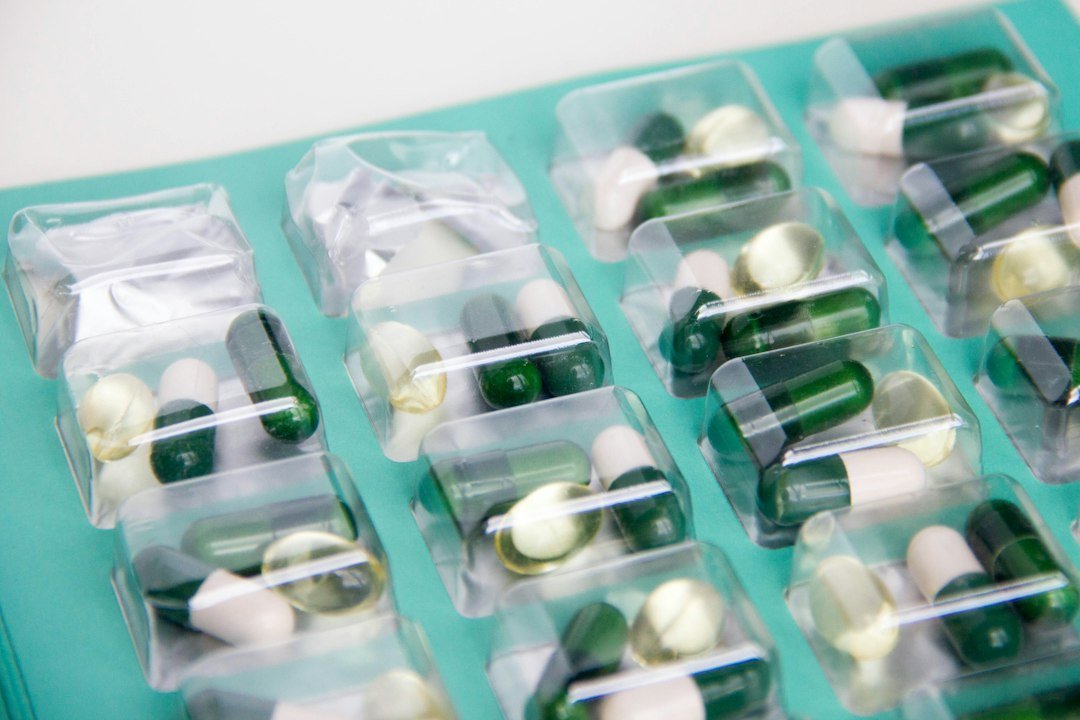
6. When should you ask a pharmacist?
Ask for help if the label is damaged, the instructions conflict with what you were told, you cannot identify the active ingredient, or you are taking several medicines. Also seek advice if you experience a suspected side effect, think you may have taken too much, or are considering giving a medicine to a child.
Quick medicine-label checklist
- Confirm the name, active ingredient and strength.
- Follow the dose and timing for your specific product.
- Check warnings, interactions and age restrictions.
- Use the correct measuring device for liquid medicines.
- Check storage directions and expiry dates.
- Keep medicines out of children’s reach.
Frequently asked questions
Is the brand name the same as the active ingredient?
No. The brand is the product name chosen by its manufacturer. The active ingredient is the substance responsible for the medicine’s effect. Compare active ingredients, not just brand names.
Can I use a medicine after its expiry date?
It is not advisable. The manufacturer cannot guarantee the medicine’s quality, safety or effectiveness after the stated expiry date. Ask a pharmacist about replacement and disposal.
Where can I find reliable medicine information?
Use the patient information leaflet supplied with the medicine and consult a pharmacist or prescriber. In the UK, the NHS and the electronic Medicines Compendium provide useful patient information.
Reliable sources
- NHS – Medicines information
- UK Medicines and Healthcare products Regulatory Agency (MHRA)
- electronic Medicines Compendium – Patient Information Leaflets
Editorial note: This article is for general education and does not replace the instructions for an individual medicine or advice from a qualified healthcare professional. If you think you have taken an overdose or are having a severe reaction, seek urgent medical help.