Educational information, not medical advice. See our Medical Disclaimer. Last updated: October 11, 2026.
“Gut health” has become a marketing phrase, attached to everything from yogurt to powders and teas. Behind the buzzword, though, is a real and well-studied idea: the trillions of microbes in your digestive tract interact with what you eat, and a diet rich in plant foods supports both digestion and long-term health. This guide focuses on what is solid, and what is still uncertain.
What the gut microbiome is
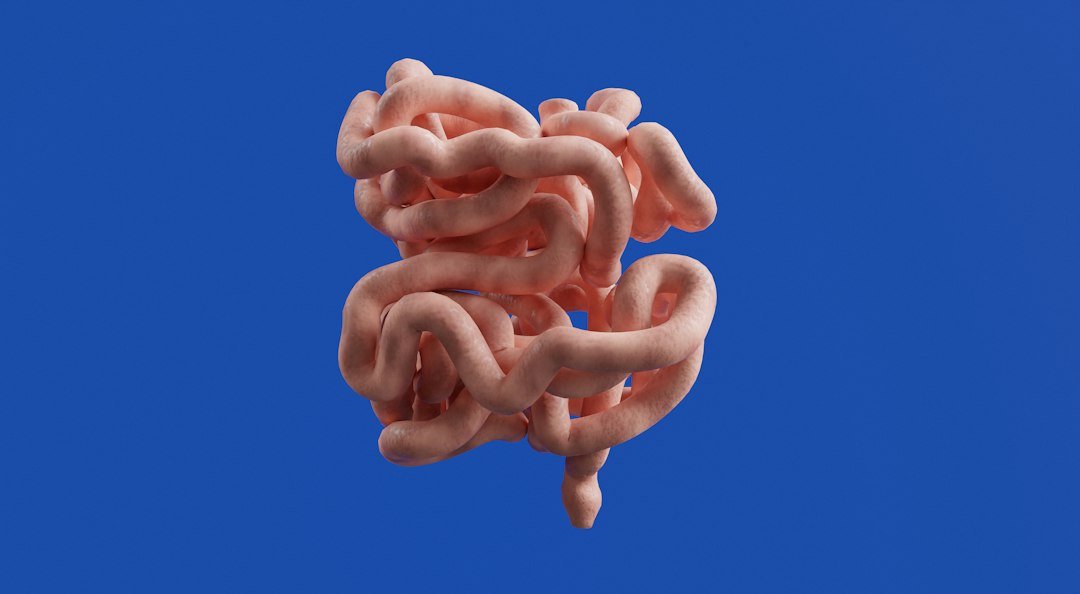
Your large intestine is home to a community of bacteria, fungi and other microbes known as the gut microbiome. They help break down fiber that your own enzymes cannot digest, produce compounds such as short-chain fatty acids that nourish the cells of the gut lining, and interact with the immune system. Researchers are actively studying links between the microbiome and conditions such as irritable bowel syndrome, inflammatory bowel disease, obesity and mood. Many of these links are still associations, not proven cause and effect, so be cautious of products that promise to “fix” your microbiome.
Fiber: the foundation
Dietary fiber is the part of plant foods that passes through the digestive system largely undigested. It adds bulk to stool, supports regular bowel movements and feeds beneficial gut microbes. The NHS recommends that adults aim for 30 g of fiber a day, noting that most adults currently eat only about 20 g. Recommended amounts for children are lower: about 15 g for ages 2 to 5, 20 g for ages 5 to 11 and 25 g for ages 11 to 16.
Good sources, according to the NHS, include:
- Whole grains: porridge or oats, wholewheat cereal, wholemeal or granary bread, wholewheat pasta, brown rice, bulgur wheat.
- Potatoes with the skin on.
- Pulses: beans, lentils and chickpeas.
- Fruit and vegetables, fresh, frozen or canned in natural juice.
- Snacks: fresh fruit, vegetable sticks, oatcakes, rye crackers, unsalted nuts and seeds.
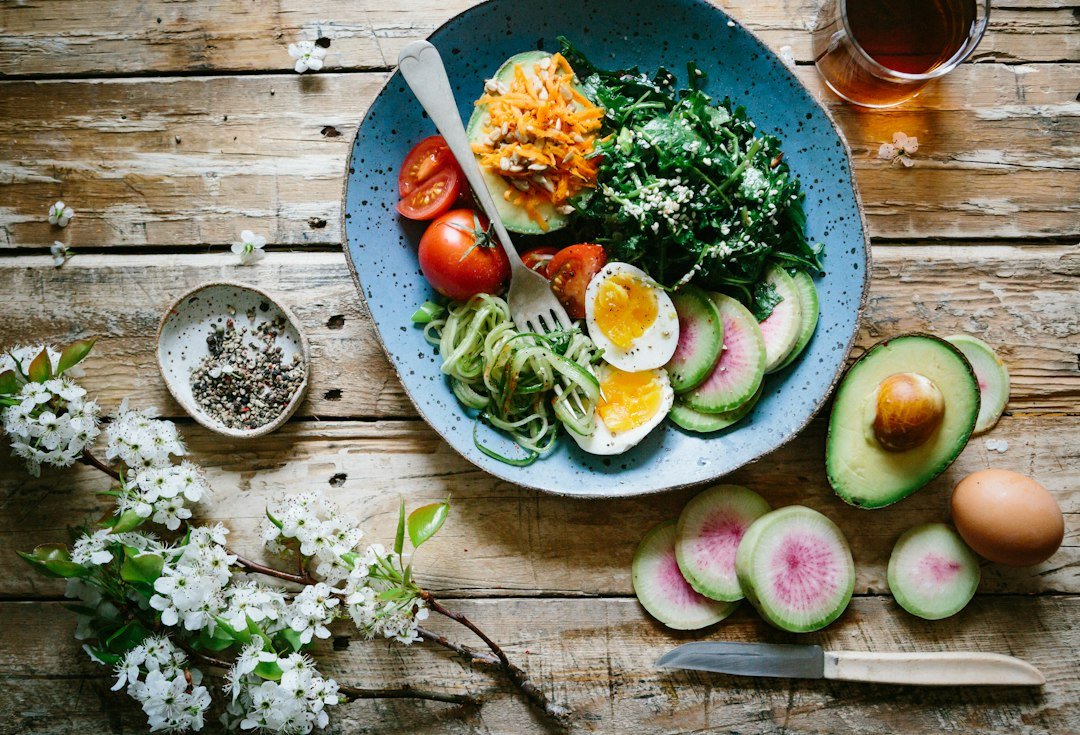
Eating a variety of fiber sources is better than relying on one, since different fibers feed different microbes. This fits naturally with the plant-rich pattern in our balanced diet guide.
How to increase fiber comfortably
Suddenly doubling fiber can cause gas, bloating and cramps. It is commonly advised to:
- Increase gradually over a couple of weeks and let your gut adapt.
- Drink enough fluids, since fiber absorbs water.
- Add pulses to stews, curries and salads and vegetables to sauces and side dishes.
- Swap refined grains for whole ones one meal at a time.
- Have dried fruit with meals rather than as an all-day snack, as it is sticky and can contribute to tooth decay.
If you have a digestive condition such as irritable bowel syndrome, Crohn’s disease or diverticular disease, ask your doctor or a dietitian before changing your fiber intake substantially, because the best approach depends on the condition and the phase.
Probiotics and fermented foods
Probiotics are live microorganisms that may offer a health benefit when taken in adequate amounts. The evidence is strain-specific and condition-specific: some strains have shown benefit for preventing antibiotic-associated diarrhea or easing certain symptoms of irritable bowel syndrome, while for many other claims evidence is weak. A probiotic that works for one condition does not necessarily work for another, and products vary widely in quality. Most healthy people do not need a probiotic supplement.
Fermented foods such as yogurt with live cultures, kefir, sauerkraut, kimchi and miso contribute live microbes and can be part of a varied diet. Choose products that are low in added sugar and salt.
People with weakened immune systems, serious illness or central venous catheters should check with their doctor before using probiotics, as rare infections have been reported.
Other habits that help digestion
- Stay hydrated. Water helps stool stay soft.
- Move regularly. Physical activity supports regular bowel movements.
- Eat regularly and slowly, and chew food well.
- Limit highly processed foods that are low in fiber and high in sugar, salt and fat.
- Manage stress and sleep. The gut and brain are closely connected. See our guides on managing stress and sleeping better.
- Use antibiotics only when needed, since they also affect gut bacteria.
When to see a doctor
Occasional bloating or irregular bowel habits are common. See a doctor promptly if you have:
- Blood in your stool, or black, tarry stools.
- Unexplained weight loss.
- A persistent change in bowel habits lasting several weeks, especially over age 50.
- Severe or worsening abdominal pain, persistent vomiting, or difficulty swallowing.
- Symptoms that wake you at night, or anemia found on a blood test.
- A family history of bowel cancer or inflammatory bowel disease together with new symptoms.
- Aim for about 30 g of fiber a day from a variety of plant foods.
- Increase fiber gradually and drink enough fluids.
- Probiotics help in specific situations; most healthy people do not need them.
- Fermented foods can be part of a varied diet.
- Blood in stool, weight loss or lasting changes in bowel habits need medical review.
Frequently asked questions
Do I need a gut cleanse or detox?
No. Your liver, kidneys and gut already handle waste. Cleanses and detox teas have no proven benefit, and some laxative-based products can cause dehydration and electrolyte problems.
Are fiber supplements as good as food?
Food is generally better, because it provides a mix of fibers plus vitamins, minerals and other nutrients. Fiber supplements can help some people who cannot reach their target through food, and should be taken with enough water.
Is bloating normal?
Mild, occasional bloating is common, especially after high-fiber or gas-producing foods. Persistent or severe bloating with other symptoms should be checked.
Does yogurt count as a probiotic?
Only if it contains live cultures that are present when you eat it. Check the label, and prefer unsweetened options.
Sources
Written by the nohas.es Editorial Team from the official sources listed above. Read our Editorial Policy and Fact Checking Policy. Found an error? Tell us.