Educational information, not medical advice. See our Medical Disclaimer. Last updated: October 28, 2026.
High blood pressure can be easy to overlook because many people feel completely well. Yet over time, untreated hypertension can place extra strain on blood vessels, the heart, brain, kidneys and eyes. The encouraging news is that checking your blood pressure and getting the right support can make a meaningful difference to long-term health.
What is high blood pressure?
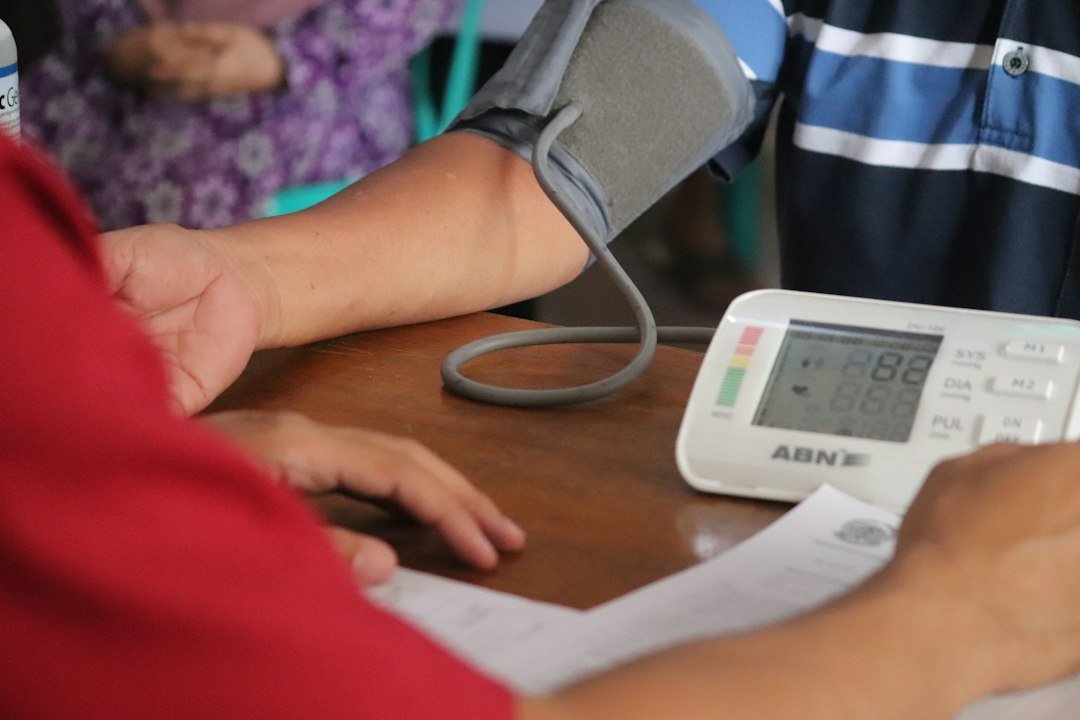
Blood pressure is recorded using two numbers. The systolic number is the pressure when the heart contracts; the diastolic number is the pressure between beats. A reading is not interpreted in isolation: clinicians consider repeated measurements, where the reading was taken, your medical history and your overall cardiovascular risk.
NHS guidance commonly defines high blood pressure as 140/90 mmHg or above when measured by a healthcare professional, or an average of 135/85 mmHg or above at home. Thresholds and targets can differ in particular circumstances, so ask your clinician what applies to you.
Are there symptoms?
Usually, high blood pressure causes no symptoms. Headaches, dizziness or feeling unwell do not reliably tell you whether your blood pressure is high or normal. The dependable way to find out is to have it measured.
What increases the risk?
Risk can rise with age and family history. Other contributing factors include a diet high in salt, low physical activity, smoking, excess alcohol, carrying excess weight and some long-term health conditions. Sometimes there is no single obvious cause. Having risk factors does not mean you will definitely develop hypertension, but it is a good reason to arrange checks.
How to measure blood pressure at home
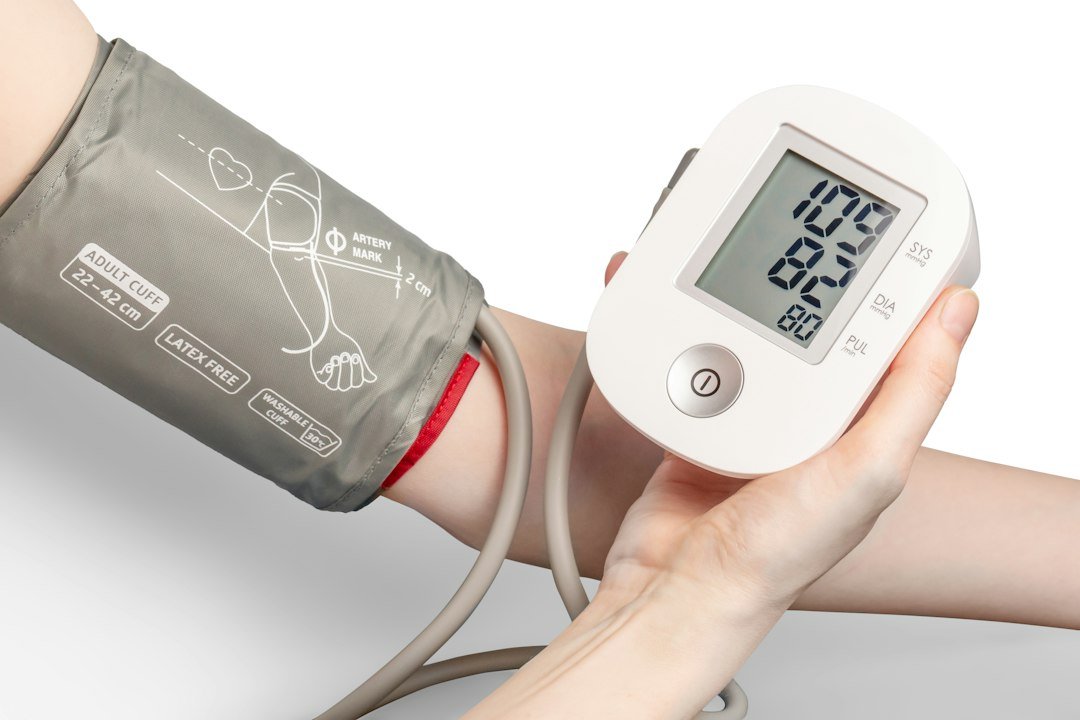
- Use a validated monitor with a cuff that fits your upper arm.
- Avoid exercise, smoking and caffeine for about 30 minutes beforehand, if possible.
- Sit quietly for five minutes, with your back supported and feet flat on the floor.
- Rest your arm on a table at heart level and do not talk during the reading.
- Take readings as instructed by your clinician and keep a record, including the time.
A single high reading may need repeating; do not change prescribed treatment based on one measurement without advice.
What can help lower blood pressure?
Practical changes can include eating a balanced diet with more vegetables, fruit and whole grains; reducing salt; being physically active regularly; working towards a healthy weight if appropriate; stopping smoking; and limiting alcohol. Small, sustainable steps are often easier to maintain than a dramatic overhaul. If you have other health conditions or mobility limitations, ask for advice about a safe activity plan.
Will I need medicine?
Some people can improve their readings with lifestyle changes, while others also need medication. The decision depends on your readings and risk of future cardiovascular problems. There are several types of blood pressure medicine, and a clinician chooses based on factors such as age, other conditions and potential side effects. Take medicines as prescribed and speak to your prescriber before stopping or changing them.
When should I seek urgent help?
High blood pressure is usually managed through planned appointments, but chest pain, severe breathlessness, sudden weakness or numbness, difficulty speaking, confusion or a sudden severe headache may indicate an emergency. Seek emergency medical care for these symptoms rather than waiting for another blood pressure reading.
Questions to ask at your appointment
- What is my target blood pressure?
- Should I measure it at home, and how often?
- Could any of my medicines affect my reading?
- What lifestyle change would be most useful for me to start with?
Reliable sources
This article provides general health information and is not a substitute for personalised medical advice or emergency care.
Written by the nohas.es Editorial Team from the official sources listed above. Read our Editorial Policy and Fact Checking Policy. Found an error? Tell us.