
Argan oil is one of Morocco’s best-known plant oils. Extracted from the kernels inside the fruit of the argan tree, an iconic species of south-western Morocco, it has long been used in food and traditional personal care. Its fatty-acid profile and naturally occurring antioxidant compounds have attracted scientific interest. But what can you realistically expect from argan oil, how should you choose it, and what precautions should you take? This practical guide looks at its uses and the evidence behind common claims.
What is argan oil?
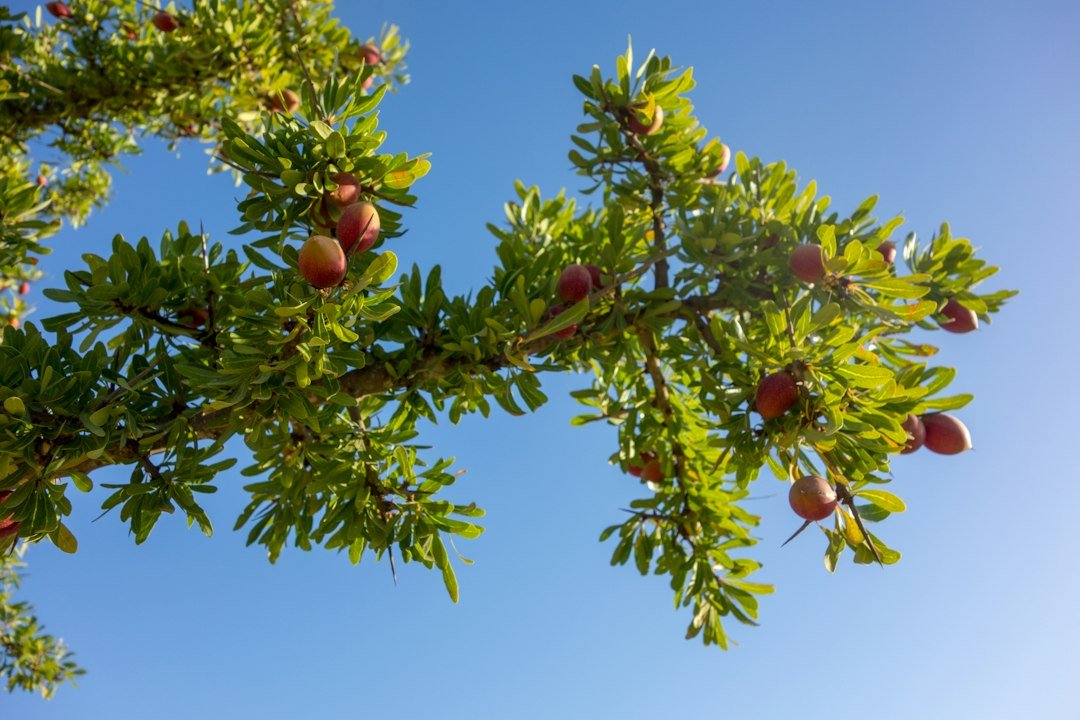
Argan oil is made from the kernels found inside the hard stone of the argan tree fruit (Argania spinosa). Harvesting, drying, cracking the stones and extracting the oil all require care and skill. Depending on its intended use, the kernels may be lightly roasted before pressing. Roasting gives culinary argan oil its characteristic nutty aroma, while cosmetic argan oil is generally produced from unroasted kernels.
It is important to distinguish between the two products. Culinary argan oil is made and labelled for consumption and often has a golden colour and nutty flavour. Cosmetic argan oil is intended for external use on skin or hair. A product sold for beauty care should never automatically be assumed to be suitable for eating.
Nutritional composition
Argan oil consists mainly of fat. It contains predominantly monounsaturated fatty acids, particularly oleic acid, as well as polyunsaturated fatty acids such as linoleic acid. Smaller amounts of other compounds may also be present, including tocopherols (forms of vitamin E), plant sterols and polyphenols. The exact composition varies with the tree, harvest, extraction method, storage and processing.
This profile can fit into a varied diet, but it does not make argan oil a medicine. Like all oils, it is energy-dense: even a tablespoon provides a substantial amount of calories. Portion size therefore matters, including when choosing a high-quality oil.
Potential benefits for the skin
When applied to the skin, argan oil mainly acts as an emollient. It can soften the outer skin layer and help reduce the feeling of dryness. Some people use it to ease tightness and improve comfort in dry areas such as the hands, legs and elbows. Its texture may suit a simple skincare routine, provided the individual’s skin tolerates it.
Preliminary research has explored possible effects on skin hydration and elasticity. These findings are of interest, but human studies remain limited. They do not justify promises that argan oil removes wrinkles, reverses ageing or treats eczema. It should not replace prescribed treatment for a skin condition.
Using argan oil on hair and nails
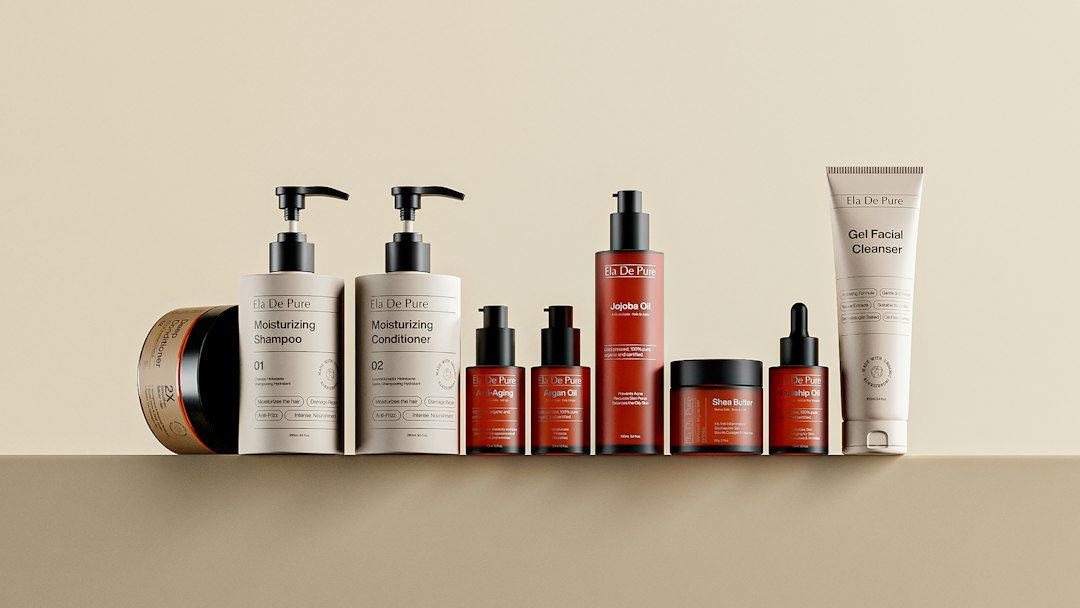
A small amount applied to hair lengths and ends may make dry or coarse hair feel softer, improve manageability and add shine. Start with one or two drops, warm them between your palms and smooth them over the ends. Using too much can weigh down fine hair. If your scalp is oily, irritated or itchy, avoid applying large amounts directly to it.
A few drops gently massaged into nails and cuticles may soften dry skin around the nails. However, there is no strong clinical evidence that argan oil makes hair grow faster or treats hair loss. Persistent or sudden hair loss should be discussed with a healthcare professional so that the underlying cause can be assessed.

Argan oil in the diet
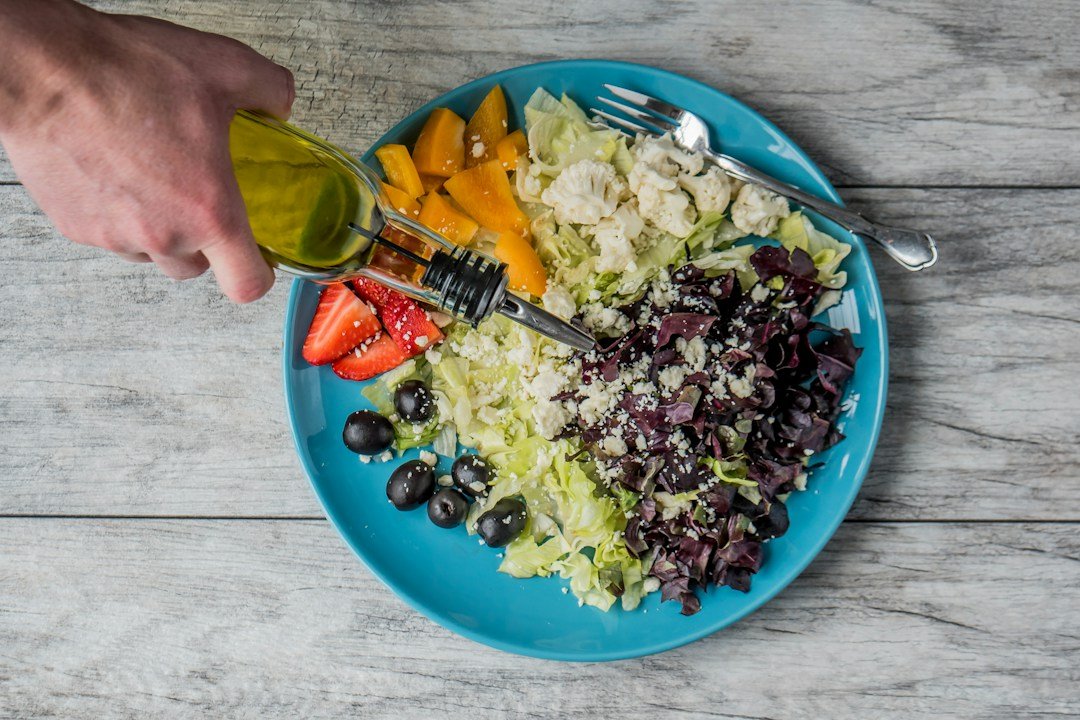
Culinary argan oil is traditionally used in several Moroccan dishes. Its delicate nutty flavour works well with salads, vegetables, grains, pulses and some sauces. It can be drizzled over a prepared dish. To preserve its aroma, many people prefer to use it cold or add it at the end of cooking rather than expose it to prolonged high heat.
From a nutritional perspective, its unsaturated fats can form part of a balanced eating pattern when they replace foods higher in saturated fat. This does not mean that simply adding argan oil to your diet will lower cholesterol or prevent cardiovascular disease. Any effect depends on the overall diet, portion sizes and wider lifestyle habits.
How to choose good-quality argan oil
- Check the intended use: choose a product clearly labelled as culinary for cooking or cosmetic for skin and hair.
- Read the ingredients: a pure cosmetic oil should ideally list “Argania Spinosa Kernel Oil” as its only ingredient.
- Look at the packaging: dark glass helps protect the oil from light better than a clear container.
- Check traceability: look for the manufacturer’s name, country or region of origin, batch number and best-before date.
- Be cautious about exaggerated claims: words such as “miracle”, “cures” or “erases wrinkles” are not evidence of effectiveness.
A good oil should have a smell and colour consistent with how it was made. A rancid or unpleasant smell may indicate that it has deteriorated. Close the bottle carefully and store it away from heat and direct light, following the manufacturer’s instructions.
Precautions and possible side effects
Argan oil is generally tolerated when used on the skin, but irritation or an allergic reaction is possible. Before using it for the first time, apply a small amount to a limited area and monitor the skin for 24 to 48 hours. Avoid contact with the eyes and stop using it if redness, itching or swelling develops.
Anyone with a known allergy to argan or a cosmetic ingredient should seek professional advice before use. For eating, use only oil specifically produced and labelled for food. If you have a known food allergy, do not test the product on yourself. Argan oil must not replace prescribed medicines, sunscreen, dermatological treatment or a medically recommended diet.
Frequently asked questions
Is argan oil suitable for every skin type?
It may suit some people with normal or dry skin, but tolerance varies. People with oily or acne-prone skin may find it too rich. Start with a small amount and stop if irritation or symptoms worsen.
Can I use argan oil every day?
Daily use in small amounts may be suitable if your skin or hair tolerates it. More is not necessarily better; a few drops are often enough.
Does argan oil make hair grow?
There is no strong clinical evidence that it stimulates hair growth or treats alopecia. It may improve the feel and appearance of hair lengths by reducing dryness.
Can I cook with cosmetic argan oil?
No. Use only argan oil sold and labelled for culinary use. Cosmetic products are not intended to be swallowed.
Key points
Argan oil is a traditional Moroccan product valued for its fatty-acid composition and culinary and cosmetic uses. It may improve the comfort of dry skin, soften hair and add a distinctive flavour to food. However, scientific evidence remains limited for many health and beauty claims. Choose a traceable product suitable for its intended use, use it in moderation and keep expectations realistic.
Sources and references
- Gharby S, Charrouf Z. Argan Oil: Chemical Composition, Extraction Process, and Quality Control. 2022.
- Physicochemical characteristics, nutritional properties, and health benefits of argan oil. 2014.
- The Importance of Argan Oil in Medicine and Cosmetology. 2024.
- Research on skin hydration and the use of argan oil.
- Systematic review of oils and hair health. 2022.
Medical information: this article is for educational purposes only and does not replace personalised medical advice, diagnosis or treatment.