Educational information, not medical advice. See our Medical Disclaimer. Last updated: October 24, 2026.
Feeling unusually tired, breathless or light-headed can be unsettling — especially when you cannot explain why. If a blood test has shown that your haemoglobin is low, it is understandable to have questions. The good news is that low haemoglobin is often treatable, and finding the reason is the first step towards feeling better.
This guide explains what haemoglobin does, why levels may fall, which symptoms to look out for and how clinicians decide on treatment. It is general educational information, not a diagnosis of your individual results.
What is haemoglobin?
Haemoglobin is an iron-containing protein inside red blood cells. Its main job is to carry oxygen from your lungs to the tissues throughout your body. When the haemoglobin level is lower than expected, your body may not deliver oxygen as efficiently as it needs to. This can lead to anaemia, although the meaning of a result depends on the level, your symptoms and your wider health.
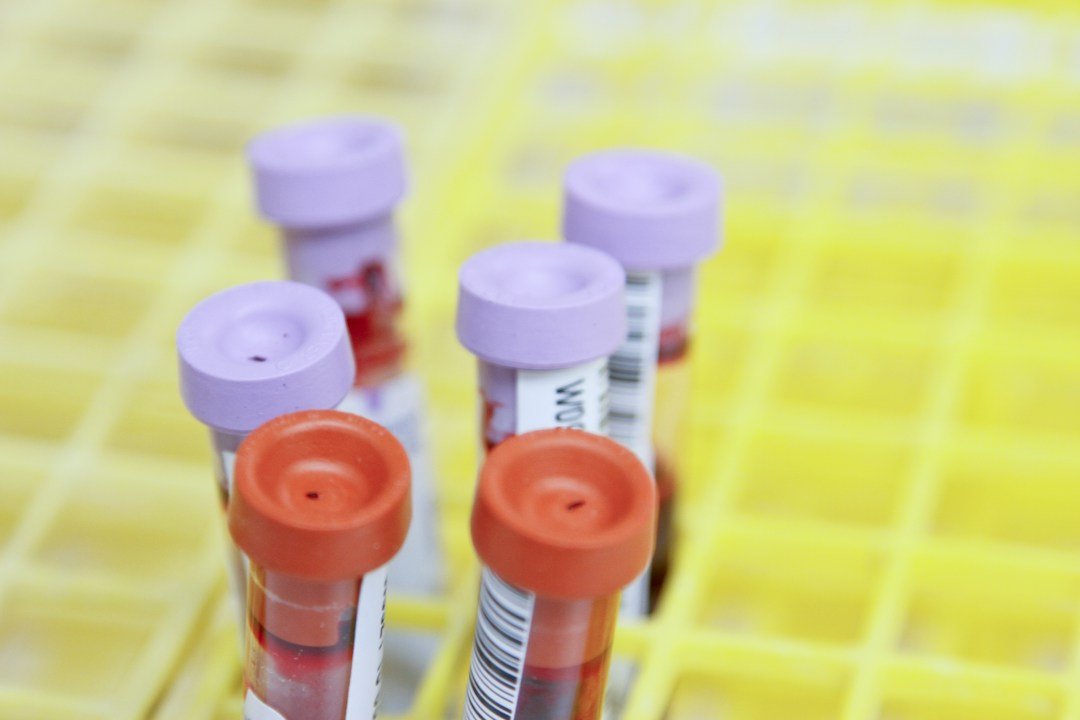
Haemoglobin is usually measured as part of a full blood count (FBC), also known as a complete blood count (CBC). A result just outside the laboratory’s reference range does not automatically mean something serious is wrong. Reference ranges can vary, and a healthcare professional will interpret the result alongside your medical history and other blood measurements.
Common causes of low haemoglobin
1. Iron deficiency
Iron is needed to make haemoglobin, so not having enough iron is a common cause of low levels. It may happen when your diet does not provide enough iron, your body struggles to absorb it, or you lose blood. Iron deficiency can be associated with heavy periods, pregnancy, or bleeding from the stomach or bowel. The cause of iron deficiency matters: it should not simply be assumed to be dietary.
2. Blood loss
Blood loss may be obvious, such as after an injury or surgery, or less noticeable, such as ongoing heavy menstrual bleeding or bleeding in the digestive tract. If a clinician suspects blood loss, they may recommend further checks to identify where it is coming from.
3. Vitamin B12 or folate deficiency
Your body also needs vitamin B12 and folate to make healthy red blood cells. Low levels can occur for several reasons, including diet, absorption problems and certain medical conditions. Vitamin B12 deficiency can also affect the nervous system, so symptoms such as pins and needles, numbness or balance difficulties deserve medical attention.
4. Long-term health conditions
Chronic kidney disease, inflammatory conditions and some other long-term illnesses can affect red blood cell production. Less commonly, problems involving the bone marrow or inherited blood conditions may be responsible. These possibilities are among the reasons a clinician should investigate persistent or unexplained low haemoglobin rather than treating the number alone.
What symptoms might you notice?
Some people with mildly low haemoglobin have no obvious symptoms. When symptoms do occur, they can develop gradually and may be easy to mistake for stress, poor sleep or being overworked.
- Feeling tired, weak or lacking energy
- Looking paler than usual, including the skin or inner eyelids
- Shortness of breath, particularly during activity
- Dizziness, light-headedness or headaches
- A noticeable, fast or pounding heartbeat
- Cold hands and feet or difficulty concentrating
The symptoms depend on how low the haemoglobin is, how quickly it has fallen and whether other health conditions are present. These symptoms can also have causes unrelated to anaemia, so a blood test and clinical assessment are important.
How is low haemoglobin investigated?
Your healthcare professional will usually review the full blood count, including haemoglobin, red blood cell count and measurements such as mean cell volume (MCV). Depending on the results and your circumstances, they may request ferritin or other iron studies, vitamin B12, folate, kidney function tests or additional investigations.
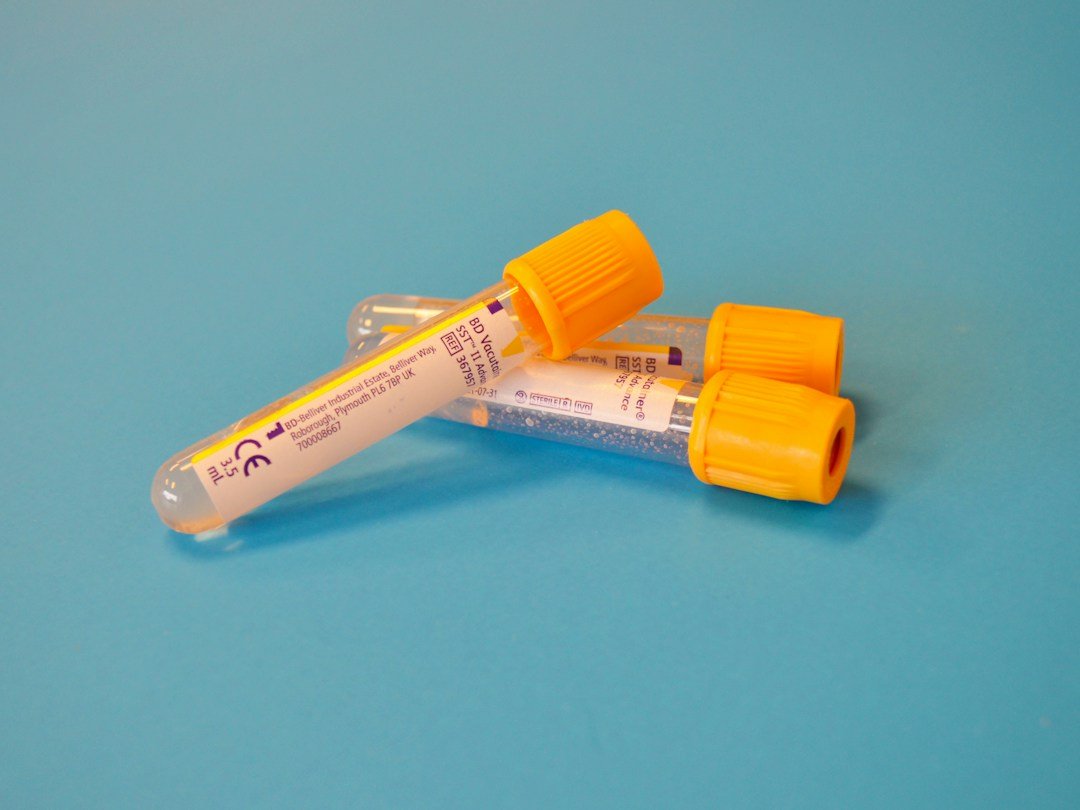
Tell your clinician about any medicines or supplements you take, heavy periods, changes in your bowel habits, recent illness and any bleeding you have noticed. This information can help guide the next steps.
Treatment options: what may help?
There is no single treatment that suits everyone. The right approach depends on the underlying cause and how severe the anaemia is.
Iron treatment when iron deficiency is confirmed
If tests show iron deficiency, a clinician may recommend iron tablets or, in some circumstances, iron given through a vein. They may also discuss iron-rich foods, such as beans and lentils, leafy green vegetables, fortified cereals, meat or dried fruit. Food can support a balanced diet, but significant iron deficiency may need medical treatment and investigation of the cause.
Do not start high-dose iron supplements simply because your haemoglobin is low. Iron is not appropriate for every type of anaemia, and unnecessary supplementation can cause side effects or be harmful. Follow the advice of your healthcare professional and ask when your blood count should be checked again.
Replacing vitamin B12 or folate
If a deficiency is identified, treatment may involve supplements or injections, depending on the cause and severity. It is important to establish whether vitamin B12 is low before taking folic acid on its own, because folic acid can improve some blood results while an underlying B12-related nerve problem remains untreated.
Treating the underlying condition
When low haemoglobin is linked to bleeding, kidney disease, inflammation or another medical condition, treatment will focus on that cause as well. More severe anaemia sometimes requires urgent hospital care; in selected situations, a blood transfusion may be considered by the treating team.
When should you seek medical help?
Arrange a medical appointment if your blood test shows low haemoglobin, particularly if the result is new, remains low or you have symptoms. Seek urgent medical care if you have severe breathlessness, chest pain, fainting, significant bleeding, or a very fast or irregular heartbeat with feeling unwell. If symptoms are sudden or severe, use your local emergency service.
Can diet help prevent low haemoglobin?
A varied diet can help provide the nutrients your body needs. Depending on your dietary pattern, useful sources include pulses, beans, lentils, dark green vegetables, fortified foods, eggs, fish and meat. Vitamin C-rich foods — such as citrus fruit, peppers and berries — can help your body absorb iron from plant foods. Tea and coffee taken with an iron-rich meal can reduce iron absorption for some people, so spacing them away from meals may be helpful if you have been advised to increase iron intake.
Diet is only part of the picture. Heavy bleeding, absorption problems and certain illnesses cannot necessarily be corrected by food alone. If low haemoglobin keeps returning, ask your clinician what is causing it and whether follow-up tests are needed.
The key takeaway
A low haemoglobin result can feel worrying, but it is a clue — not a complete diagnosis. Iron deficiency is common, yet blood loss, vitamin deficiencies and long-term conditions can also play a part. With the right tests and an individual treatment plan, many causes can be managed effectively. If you have your results in front of you, discuss them with a qualified healthcare professional rather than trying to interpret one number in isolation.
Sources and further reading
- NHS: Iron deficiency anaemia
- MedlinePlus: Haemoglobin test
- Mayo Clinic: Low haemoglobin count — causes
- NHS: Vitamin B12 or folate deficiency anaemia
Medical disclaimer: This article is for general information only and does not replace personalised medical advice, diagnosis or treatment. Always discuss your test results and treatment options with a qualified healthcare professional.
Written by the nohas.es Editorial Team from the official sources listed in this article. Read our Editorial Policy and Fact Checking Policy. Found an error? Tell us.