Educational information, not medical advice. See our Medical Disclaimer. Last updated: October 25, 2026.
Bruising more easily than usual or finding out that your platelet count is low can understandably cause worry. Platelets are essential for normal blood clotting, but a low platelet result does not mean the same thing for every person. The level, the reason for the change, other blood results and any bleeding symptoms all matter.
What are platelets?
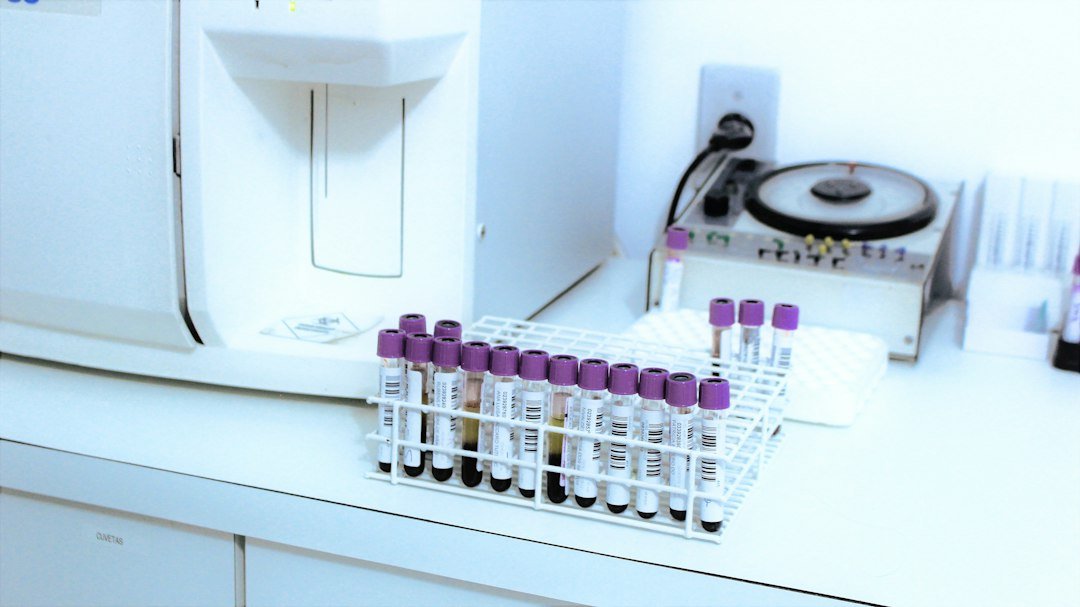
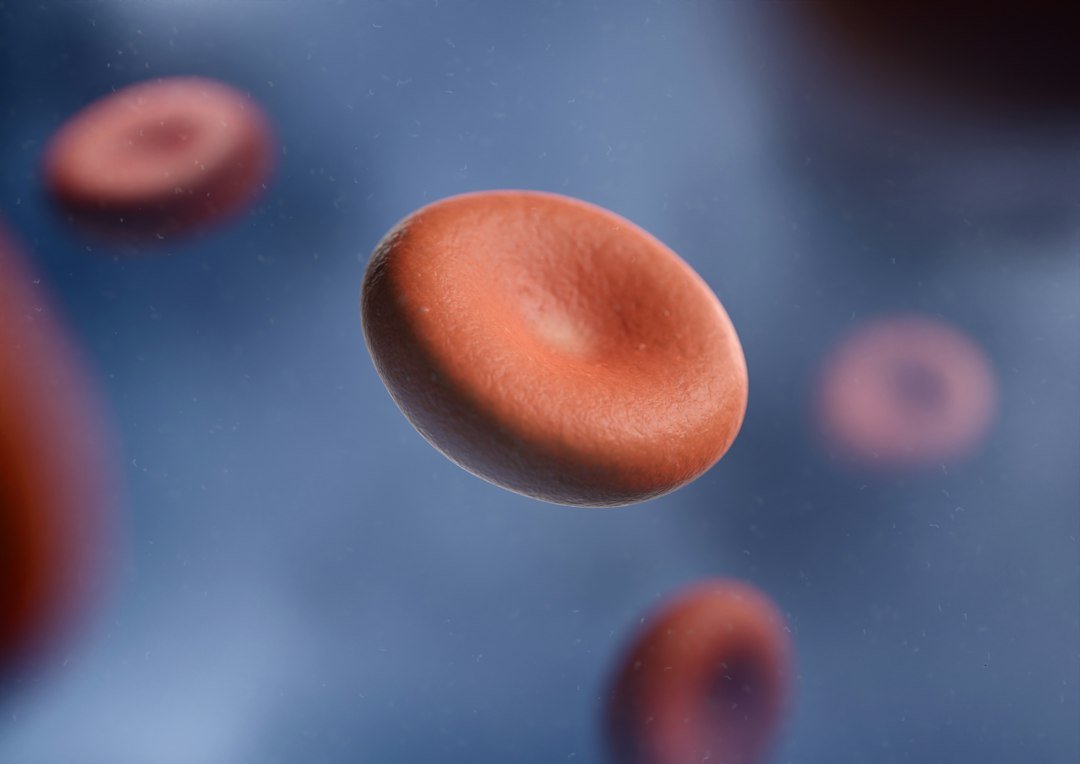
Platelets are tiny blood components that help form a plug when a blood vessel is injured. This helps control bleeding. A platelet count is usually included in a full blood count (FBC), which also measures red and white blood cells.
What is a low platelet count?
A platelet count below the laboratory’s reference range is called thrombocytopenia. Laboratories may use slightly different ranges, and the clinical importance depends on the actual count, whether it is falling, the cause and the person’s overall health. A single result should be interpreted by a clinician rather than judged against a number found on a general website.
Possible causes of a low platelet count
Recent infections
Some viral and other infections can temporarily affect platelet production or increase platelet destruction. The count may improve as the underlying illness resolves, but follow-up depends on the result and symptoms.
Medicines and medical treatments
Some medicines can reduce platelet levels, and chemotherapy can affect the bone marrow’s ability to make blood cells. If you think a medicine may be involved, contact the clinician who prescribed it. Do not stop essential treatment without advice.
Immune conditions
In some immune conditions, the body destroys platelets more quickly than usual. One example is immune thrombocytopenia (ITP), but a low platelet count alone is not enough to diagnose it.
Liver or spleen problems and nutritional deficiencies
Some liver conditions, an enlarged spleen and certain vitamin deficiencies can be associated with low platelet levels. Bone marrow disorders are another possible cause. The appropriate investigation depends on the wider clinical picture.
A result that needs checking
Occasionally, platelets clump together in the blood sample, making the automated count appear lower than it really is. A laboratory may recommend checking the sample or repeating the test to clarify the result.
What symptoms should I look for?
Some people have no symptoms and discover a low count through a routine blood test. Possible signs include bruising more easily, tiny red or purple spots on the skin (petechiae), frequent nosebleeds, bleeding gums, or cuts that take longer than expected to stop bleeding. Heavier-than-usual menstrual bleeding can also be relevant.
How is it investigated and treated?
A clinician may review your medicines, recent illnesses and bleeding history, examine you and look at the rest of the FBC. Depending on the result, a repeat blood test, blood film or other investigations may be needed. Treatment is directed at the cause and the risk of bleeding. Some people need monitoring only; others need treatment or specialist assessment.
Do not start aspirin or anti-inflammatory medicines such as ibuprofen for a new problem without checking with a healthcare professional if you have been told your platelet count is low, because some medicines can affect bleeding risk. Do not stop prescribed aspirin or blood-thinning medication without medical advice; contact the prescriber promptly for individual guidance.
When is it urgent?
Seek urgent medical assessment for bleeding that will not stop, blood in vomit or stool, black tarry stools, significant blood in urine, a severe or unusual headache, new confusion, fainting or a head injury if you have a known low platelet count. Heavy bleeding or sudden severe symptoms require emergency care. If you have been given a specific safety plan by your clinician, follow it.
If the result is low but you feel well, contact the clinician who requested the test to understand how soon it needs reviewing. Do not assume that the absence of symptoms means the result can be ignored.
Questions to ask your healthcare professional
- How low is my platelet count, and has it changed over time?
- Could a medicine, recent infection or sample issue explain it?
- Do I need a repeat test or further investigations?
- Are there medicines or activities I should discuss while it is being assessed?
- What bleeding symptoms mean I should seek urgent help?
Frequently asked questions
Can a low platelet count return to normal?
Sometimes. It depends on the cause; some temporary changes resolve, while other conditions need monitoring or treatment. Follow-up testing helps establish the pattern.
Does a low platelet count always cause bleeding?
No. Symptoms and bleeding risk vary according to the count, its cause, other medical conditions and medicines. Your healthcare professional can explain your individual risk.
Reliable sources
- MedlinePlus Medical Encyclopedia: Platelet count
- MedlinePlus Medical Encyclopedia: Thrombocytopenia
- MedlinePlus: Complete Blood Count (CBC)
Health information notice: This article is educational and does not replace personalised medical advice. If you have a low platelet count, discuss your result and any bleeding symptoms with a qualified healthcare professional.
Written by the nohas.es Editorial Team from the official sources listed in this article. Read our Editorial Policy and Fact Checking Policy. Found an error? Tell us.