Educational information, not medical advice. See our Medical Disclaimer. Last updated: October 27, 2026.
When someone has a stroke, every minute matters. The symptoms can appear suddenly and may be frightening, but knowing what to look for can help you act quickly for yourself, a family member or even a stranger. If you suspect a stroke, call your local emergency number immediately. Do not wait to see whether the symptoms pass.
What is a stroke?
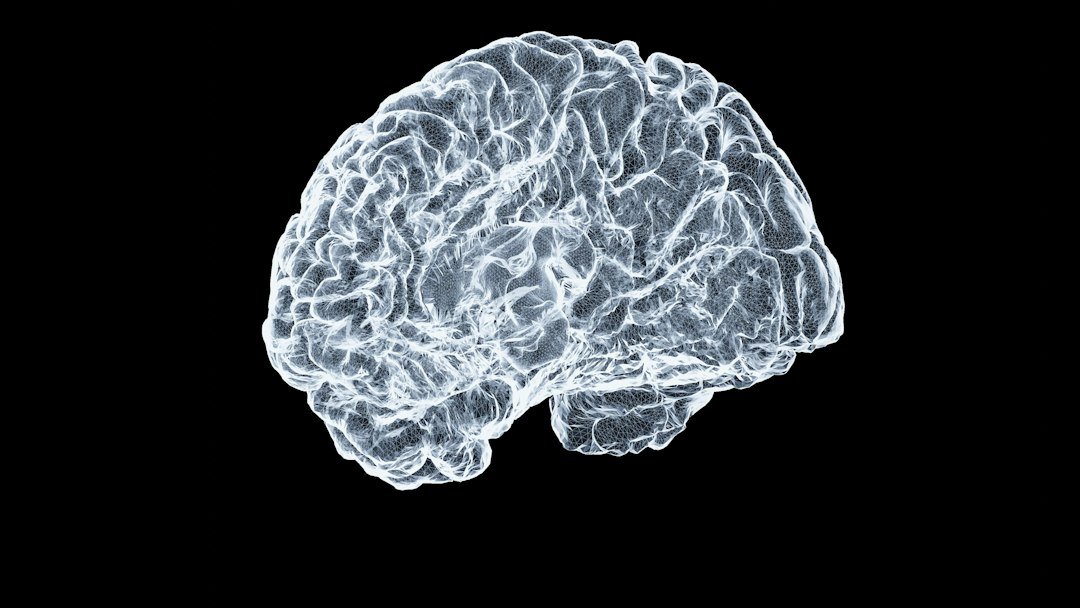
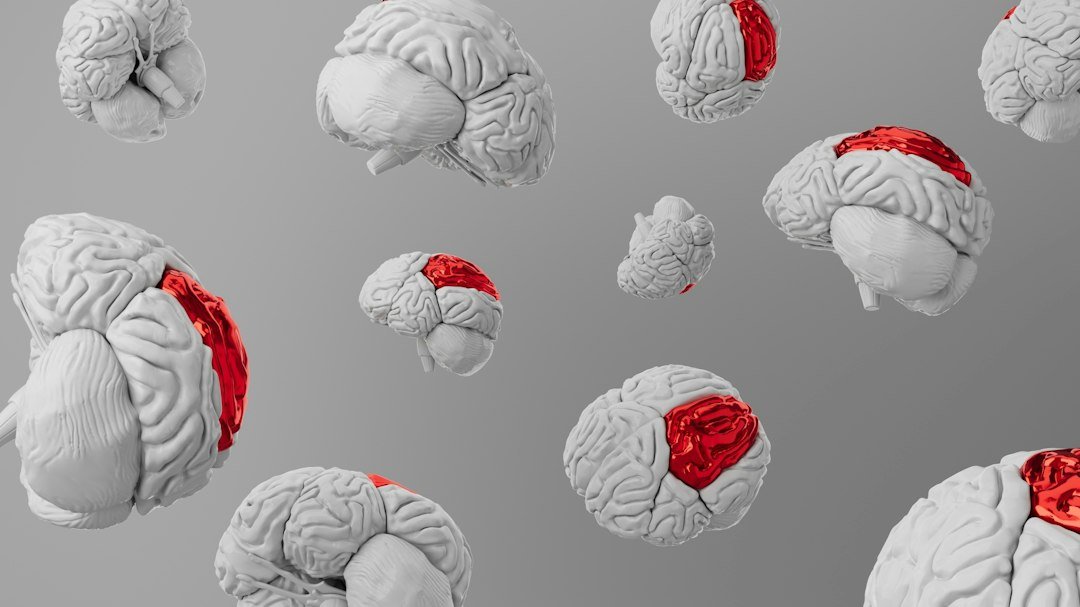
A stroke happens when the blood supply to part of the brain is interrupted or when bleeding occurs in or around the brain. Brain cells can be damaged quickly, so urgent hospital assessment is essential. A transient ischaemic attack (TIA) can cause similar symptoms that improve or disappear, but it is also a medical emergency and should never be ignored.
Remember FAST
- Face: one side of the face may droop. Ask the person to smile and look for unevenness.
- Arms: they may be unable to lift both arms and keep them raised, or one arm may feel weak or numb.
- Speech: speech may be slurred, confused or difficult to understand. The person may struggle to find words or understand you.
- Time: call emergency services immediately if you notice any of these signs.
Other possible warning signs
Stroke symptoms can also include sudden weakness or numbness on one side of the body, sudden loss or blurring of vision, difficulty walking, dizziness, loss of balance, confusion or a sudden severe headache. Not every stroke looks the same. If something changes abruptly and seems seriously wrong, seek emergency help.
What should you do while waiting for help?
Call emergency services and clearly explain the symptoms and when they started, or when the person was last known to be well. Follow the call handler’s instructions. Keep the person safe and supported. Do not give food, drink or medicines unless emergency professionals advise you to do so, because swallowing may be affected. Do not drive the person yourself if an ambulance is available.
What if the symptoms disappear?
Still seek emergency medical help. Symptoms that resolve may be a TIA, sometimes called a “mini-stroke”, which can warn of a future stroke. A medical team needs to assess the person urgently even if they seem back to normal.
Who is at risk?
Stroke risk can be affected by high blood pressure, smoking, diabetes, high cholesterol, certain heart conditions, age and family history. Some risks can be reduced with support from healthcare professionals, appropriate medication and sustainable lifestyle changes. However, a stroke can happen to people of different ages and backgrounds, so it is important to know the symptoms regardless of risk.
Can a stroke be prevented?
Not every stroke can be prevented, but managing blood pressure, cholesterol and diabetes; stopping smoking; being physically active; and following treatment for heart conditions can lower risk. Ask your clinician what prevention steps are suitable for your circumstances. Do not start or stop aspirin or other medicines without medical advice.
Frequently asked questions
Should I wait to see if stroke symptoms improve?
No. Call emergency services immediately. Time-sensitive assessment and treatment can make a difference, and symptoms that disappear may still indicate a TIA.
Can younger adults have a stroke?
Yes. Risk generally increases with age, but stroke can occur at any age.
Reliable sources
Emergency notice: This article is educational. It must not delay emergency care. If you suspect a stroke, call your local emergency number now.
Written by the nohas.es Editorial Team from the official sources listed in this article. Read our Editorial Policy and Fact Checking Policy. Found an error? Tell us.