Sarcoidosis is an uncommon inflammatory condition that can affect several organs, particularly the lungs, lymph nodes, skin and eyes. It is characterised by small clusters of immune cells called granulomas. Some people have no symptoms and improve without treatment, while others need ongoing monitoring or medicines. Understanding possible symptoms, diagnosis and treatment options can help people make informed decisions with their healthcare team.
What is sarcoidosis?
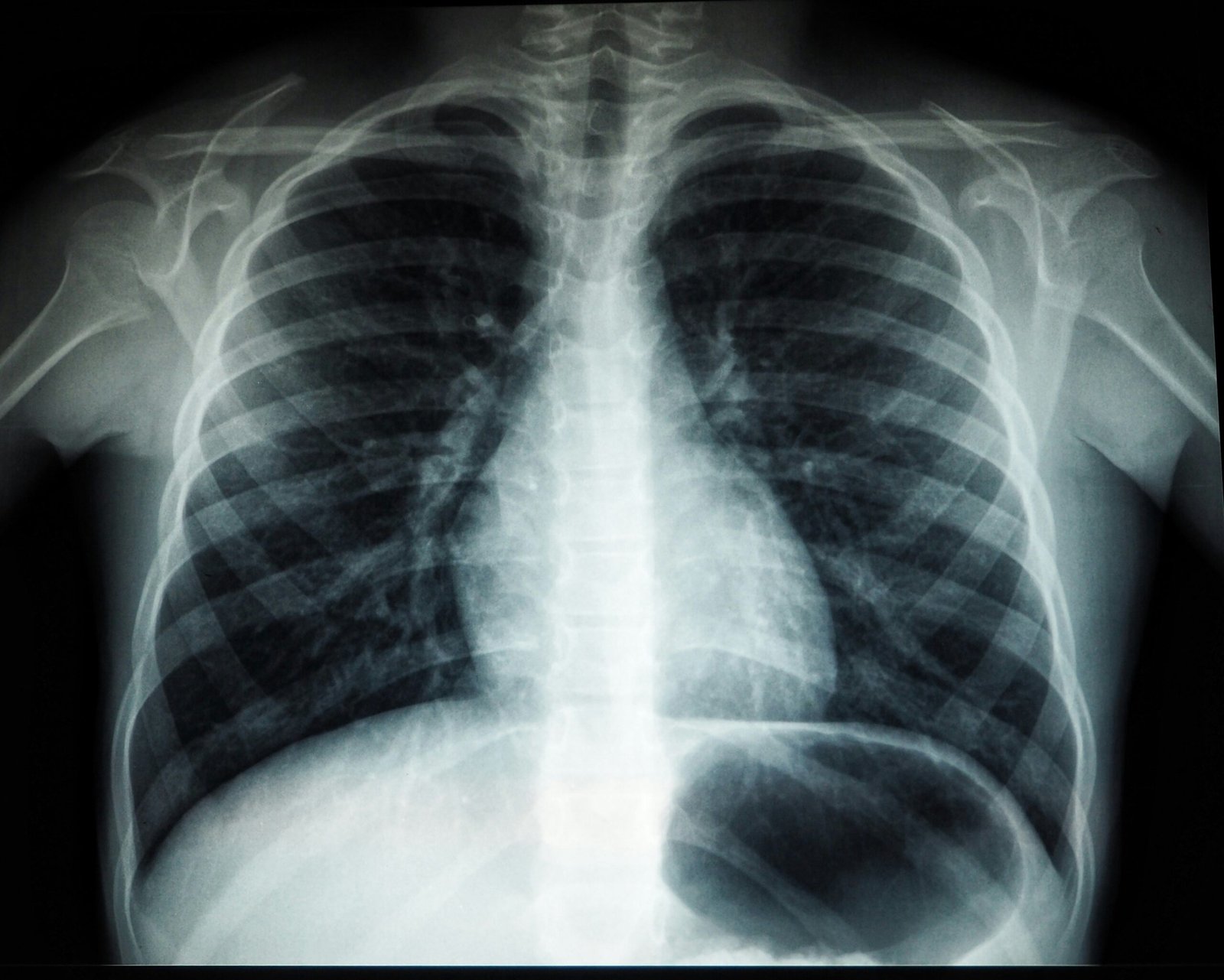
Sarcoidosis is a systemic inflammatory disease. The immune system forms granulomas, which are small collections of inflammatory cells in body tissues. These granulomas are usually non-caseating, meaning they do not contain the central tissue breakdown seen in some other conditions. They can interfere with the normal function of an affected organ, depending on their location and extent.
The exact cause is not known. Researchers believe that sarcoidosis develops when a genetically susceptible person has an unusual immune response to one or more environmental triggers. It is not considered contagious, and it cannot be passed from one person to another through ordinary contact.
Which organs can be affected?
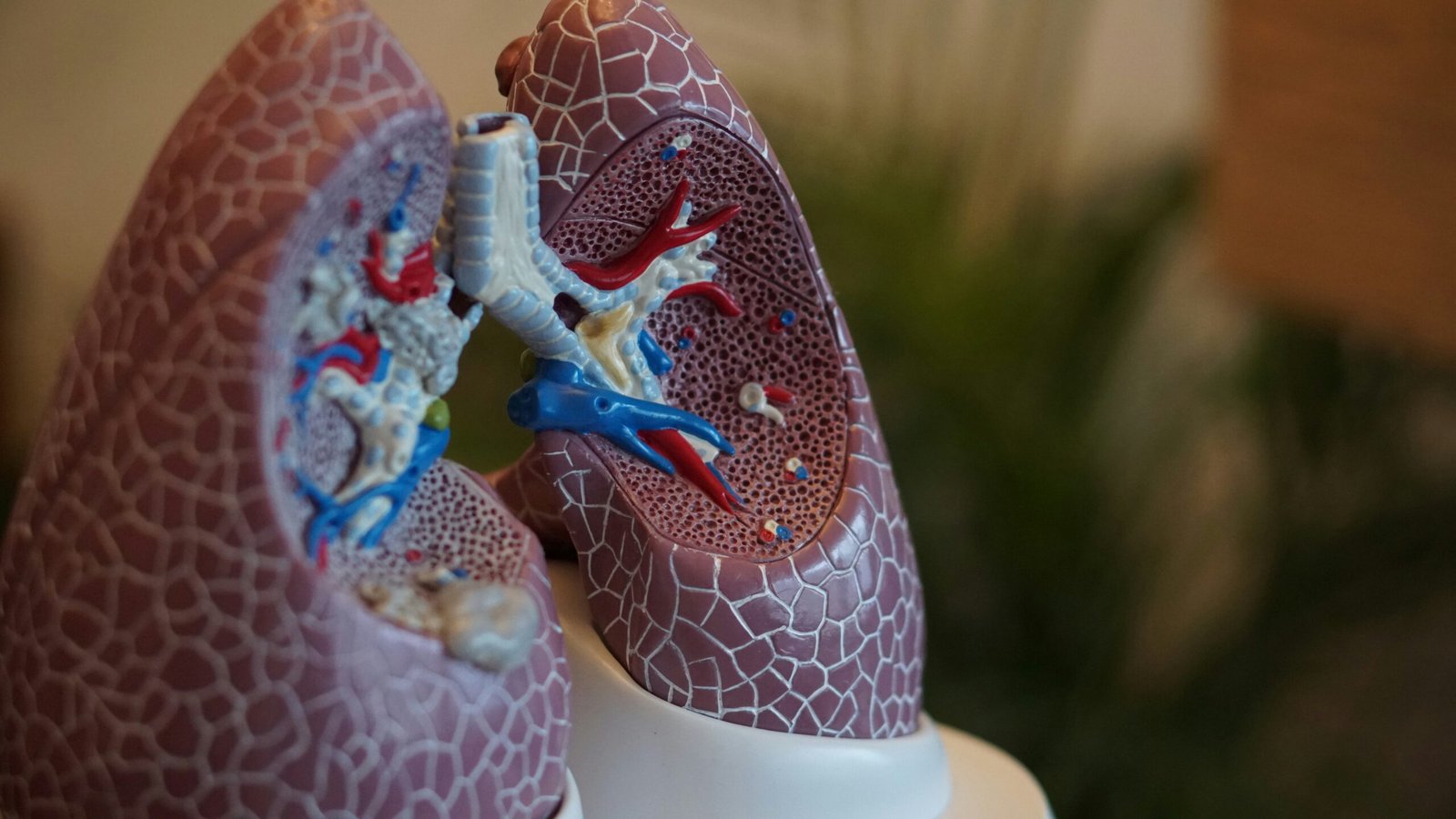
The lungs and lymph nodes in the chest are involved in most cases. However, sarcoidosis can also affect the skin, eyes, joints, liver, heart, kidneys and nervous system. The pattern varies widely from one person to another.
Symptoms and warning signs
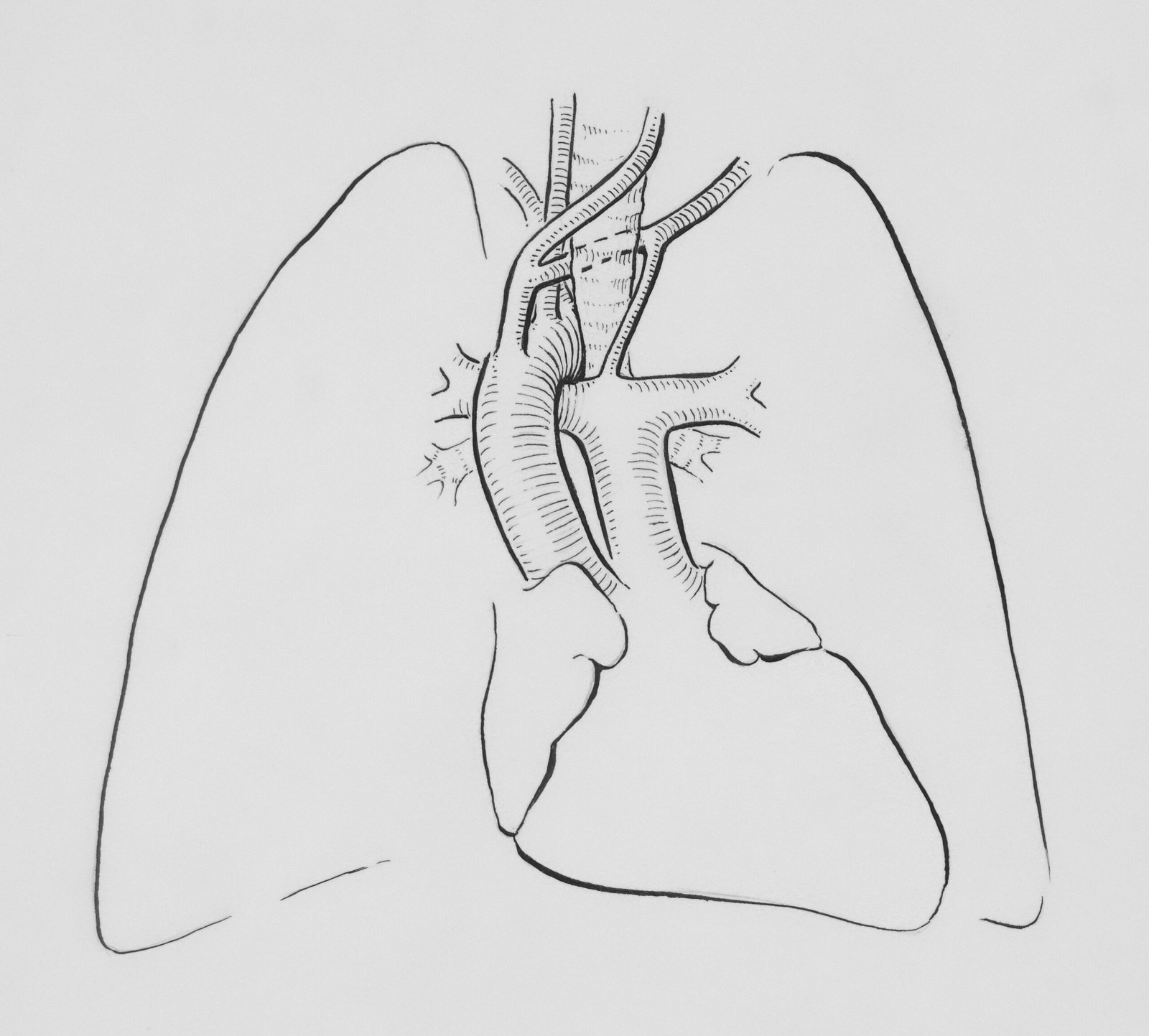
Some people have no noticeable symptoms and are diagnosed after an X-ray performed for another reason. When symptoms occur, they may include a persistent dry cough, breathlessness, chest discomfort, fatigue, fever, night sweats or unexplained weight loss. Skin changes can include tender red lumps, often on the shins, or persistent rashes and nodules.
Eye involvement may cause redness, pain, blurred vision or sensitivity to light. Joint pain and swelling can occur, particularly around the ankles. Heart involvement is less common but can lead to palpitations, fainting, chest pain or breathlessness. Nervous system involvement may cause facial weakness, severe headaches, numbness or other neurological symptoms.
Seek urgent medical care for fainting, new severe chest pain, significant breathlessness, sudden visual changes or new neurological symptoms. These symptoms can have several causes and should not automatically be attributed to sarcoidosis.
How is sarcoidosis diagnosed?
There is no single test that confirms every case. Diagnosis is based on the pattern of symptoms, examination, imaging and laboratory tests, while excluding other conditions that can look similar, including infections such as tuberculosis and some cancers.
A chest X-ray or CT scan may show enlarged lymph nodes or changes in lung tissue. Lung function tests assess how well the lungs move air and transfer oxygen. Blood tests may check calcium, kidney and liver function and markers of inflammation, although no blood marker is specific enough to diagnose sarcoidosis on its own. An eye examination and heart tests may be recommended depending on symptoms and clinical findings.
In some cases, a biopsy is needed. A small tissue sample is examined under a microscope to look for granulomas. The sample may be taken from a lymph node, skin lesion or another accessible affected area. A biopsy is not always necessary when the clinical picture is typical, but the decision belongs to the specialist team.
Treatment options
Not everyone needs treatment. If symptoms are mild and organ function is not threatened, clinicians may recommend regular monitoring because sarcoidosis can improve spontaneously. Follow-up may include symptom reviews, imaging, lung function tests and checks for organ involvement.
When treatment is needed, corticosteroids such as prednisolone are often used to reduce inflammation. The dose and duration depend on the organs affected and the severity of disease. Long-term steroid use can cause side effects, including weight gain, raised blood glucose, high blood pressure, bone thinning and increased infection risk.
If corticosteroids are unsuitable or insufficient, specialists may consider other medicines, such as methotrexate or selected immune-modifying treatments. Treatment is tailored to the individual and requires monitoring for side effects. Do not start, stop or alter prescribed medicines without medical advice.
Living with sarcoidosis
Attend follow-up appointments even when you feel well, because some organ changes may develop without obvious symptoms. Tell your clinician about new breathlessness, persistent cough, palpitations, visual symptoms, skin changes or unexplained fatigue. Avoid smoking and try to remain physically active within your limits. A balanced diet, adequate sleep and support for fatigue can also help with day-to-day wellbeing.
Do not take high-dose vitamin D or calcium supplements without advice. Sarcoidosis can affect how the body handles calcium and vitamin D, and supplements may be inappropriate for some people. Ask your care team before starting any supplement or changing your diet substantially.
Frequently asked questions
Is sarcoidosis cancer?
No. Sarcoidosis is an inflammatory condition, not a cancer. However, some symptoms and imaging findings can resemble other diseases, which is why careful assessment is important.
Can sarcoidosis go away on its own?
Yes. Some people improve without treatment, particularly when the disease is limited. Others have persistent or recurrent disease and need long-term monitoring or treatment.
Is sarcoidosis contagious?
No. It is not spread from person to person through coughing, touch or everyday contact.
Does everyone with sarcoidosis need steroids?
No. Treatment depends on symptoms, organ involvement and the risk of lasting damage. Observation may be appropriate for people with mild disease.
Key points
Sarcoidosis is an inflammatory condition that most often affects the lungs and lymph nodes but can involve other organs. Symptoms range from none at all to significant breathing, skin, eye, heart or neurological problems. Diagnosis combines clinical assessment, imaging and sometimes biopsy. Some people need only monitoring, while others benefit from anti-inflammatory or immune-modifying treatment. Regular follow-up is important even when symptoms are mild.
Sources and further information
- National Heart, Lung, and Blood Institute – Sarcoidosis.
- NHS – Sarcoidosis.
- Mayo Clinic – Sarcoidosis.
Medical disclaimer: this article is for educational purposes only and does not replace individual medical assessment, diagnosis or treatment.