Educational information, not medical advice. See our Medical Disclaimer. Reviewed for clarity: 17 November 2026.
Blood tests and other laboratory investigations are essential tools in modern healthcare. They help clinicians assess symptoms, monitor long-term conditions, check how treatments are working and identify problems that may not be obvious during an examination. Yet a laboratory result is not automatically perfect. Errors can occur before a sample reaches the laboratory, while it is being analysed, or when the result is recorded, communicated and interpreted.
A result that seems unusual does not necessarily mean that the laboratory has made a mistake. Normal biological variation, medicines, recent food intake and the timing of collection can all influence measurements. Understanding the testing process can help patients ask sensible questions without becoming unnecessarily alarmed.
How can laboratory errors happen?
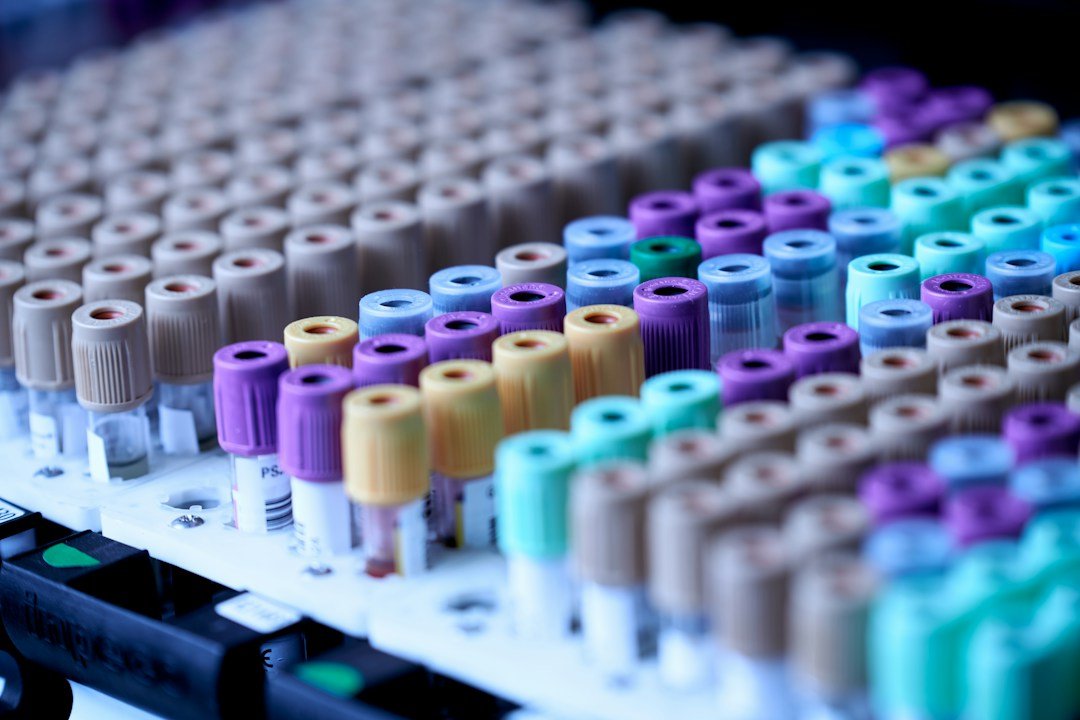
The complete testing process is commonly divided into three stages: pre-analytical, analytical and post-analytical. Each stage has its own risks. A review of laboratory quality research highlights that many problems arise outside the actual measurement process, particularly during preparation and collection. This is why quality assurance must cover the entire journey from the test request to the clinical decision.
1. Pre-analytical errors: before the sample is tested
Pre-analytical errors happen before the laboratory performs the measurement. They may involve the test request, patient preparation, sample collection, labelling, storage or transport. These problems are important because even a highly accurate analyser cannot correct a sample that was collected from the wrong person or handled incorrectly.
Incorrect patient identification or labelling
A tube labelled with the wrong name, date of birth or identification number can lead to a result being assigned to the wrong person. This is a serious safety risk. Healthcare staff should confirm identity using the required identifiers and check that the label matches the request. Patients can help by answering identity questions clearly and checking their details on paperwork or labels when they are invited to do so.
Not following preparation instructions
Some tests require specific preparation, while others do not. Depending on the investigation, recent food or drink, strenuous exercise, smoking, posture, stress, the time of day and medicines may influence a measurement. Fasting is not required for every blood test, so patients should not fast unless their clinician or laboratory has instructed them to. If instructions are unclear, contact the laboratory before the appointment rather than guessing.
Collection and specimen problems
Results may be affected if the wrong type of sample is collected, the tube is underfilled, the sample is contaminated or blood cells are damaged. Haemolysis, which means the breakdown of red blood cells, can alter certain measurements and may cause the laboratory to reject the sample or report a limitation. Drawing blood near an intravenous infusion can also contaminate a specimen with fluid or medication. Correct collection technique and the right collection tube are therefore essential.

Delays or unsuitable storage
Some samples need to be analysed quickly, kept at a particular temperature or protected from light. Delays, excessive heat, freezing when not appropriate, or incorrect transport can change the stability of some substances. Laboratories provide collection and transport instructions for this reason. A sample may be rejected if its condition makes a reliable result impossible.
2. Analytical errors: while the laboratory performs the test
Analytical errors occur during the measurement itself. Modern laboratories use calibrated instruments, validated methods, internal quality controls and external quality assessment to reduce these risks. Nevertheless, technical problems can still happen.
Possible causes include instrument malfunction, incorrect calibration, unstable or expired reagents, power interruptions, maintenance problems, operator mistakes or interference from substances in the sample. Haemolysis, lipaemia (a high level of fat particles in the sample) and jaundice-related pigments can interfere with certain methods. Some medicines, supplements and naturally occurring antibodies may also affect specific tests.
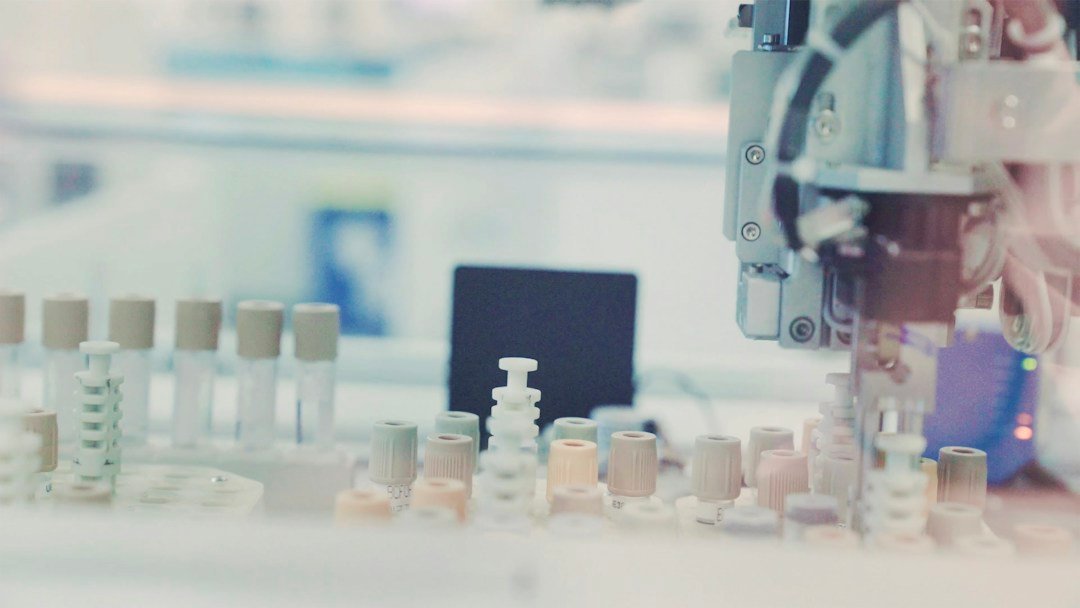
When a quality-control check falls outside acceptable limits, the laboratory should investigate before releasing affected results. Depending on the situation, staff may repeat the measurement, inspect the specimen, use another method or request a new sample. Repeating a test is not automatically evidence of poor practice; it can be an appropriate safety measure.
3. Post-analytical errors: after the measurement
Post-analytical errors occur after a test has been performed. Examples include typing or transcription mistakes, incorrect units, a result attached to the wrong patient record, a delayed report, a missing result or failure to communicate a critical value promptly.
Even when the measurement is correct, interpretation can be misleading if the report is read without the relevant context. Reference intervals vary between laboratories and methods, and may depend on age, sex and other factors. A value outside the printed interval does not by itself establish a diagnosis. Equally, a result within the interval does not always rule out disease when symptoms or clinical findings suggest otherwise.

What should you do if a result seems wrong?
If a result is unexpected, do not assume immediately that it is either a laboratory error or proof of a serious illness. Contact the healthcare professional who requested the test and explain why the result concerns you. They can compare it with previous results, symptoms, medicines, medical history and the reason the test was ordered.
Useful questions include:
- Was the sample suitable, and were there any comments or limitations on the report?
- Could preparation, timing, recent exercise or medication have affected this result?
- Does the result need to be repeated, confirmed with another method or checked with a different test?
- How does it compare with my previous results and the laboratory’s reference interval?
- When should I expect follow-up, and what symptoms should prompt urgent care?
Do not stop prescribed medicines, change a dose or start supplements to try to correct a laboratory value without professional advice. If the result is marked as critical, or a clinician or laboratory contacts you urgently, follow the instructions promptly. Seek urgent medical help for severe symptoms such as chest pain, serious breathing difficulty, fainting or sudden neurological symptoms, regardless of whether a previous test was reported as normal.
How laboratories reduce the risk of errors
Quality systems address every stage of testing. Common safeguards include standardised test requests, two-identifier patient checks, barcode labelling, staff training, validated collection tubes, documented transport conditions, instrument calibration, internal quality controls, external proficiency testing, result-validation rules and procedures for communicating critical findings. Laboratories also investigate corrected reports and rejected samples to identify recurring problems and improve processes.
Patients are part of this safety system too. Providing accurate information, following the instructions given for a particular test, mentioning medicines and supplements, and checking personal details can reduce avoidable problems. If a sample has to be recollected, ask why: the reason may be to protect the reliability of the result.
Key message
Laboratory errors can arise before, during or after testing, but quality-control systems are designed to detect and minimise them. An unexpected result deserves a careful review, not panic or self-diagnosis. Discuss it with the clinician who requested the test; a repeat or confirmatory investigation may be appropriate when the result does not fit the clinical picture.
Reliable sources
- Australian Prescriber: Preparation for blood tests – what can go wrong before the sample reaches the lab (2025)
- Errors within the total laboratory testing process: causes, consequences and solutions – review
- Preanalytical Errors in Clinical Laboratory Testing at a Glance (2024)
- US Centers for Disease Control and Prevention: Clinical Laboratory Improvement Amendments (CLIA)
This article is for general educational purposes only. It does not replace medical advice, diagnosis or treatment from a qualified healthcare professional.
About the author
Written by the NOHAS Editorial Team using the sources listed above. Read our Editorial Policy and Fact Checking Policy. Found an error? Contact us.