
Educational information, not medical advice. See our Medical Disclaimer. Last updated: October 25, 2026.


Persistent tiredness, unexplained weight changes or feeling unusually hot or cold can leave you searching for an explanation. These symptoms are common and can have many causes, but sometimes the thyroid gland is involved. Understanding what the thyroid does and how clinicians test it can help you have a clearer, calmer conversation about your health.
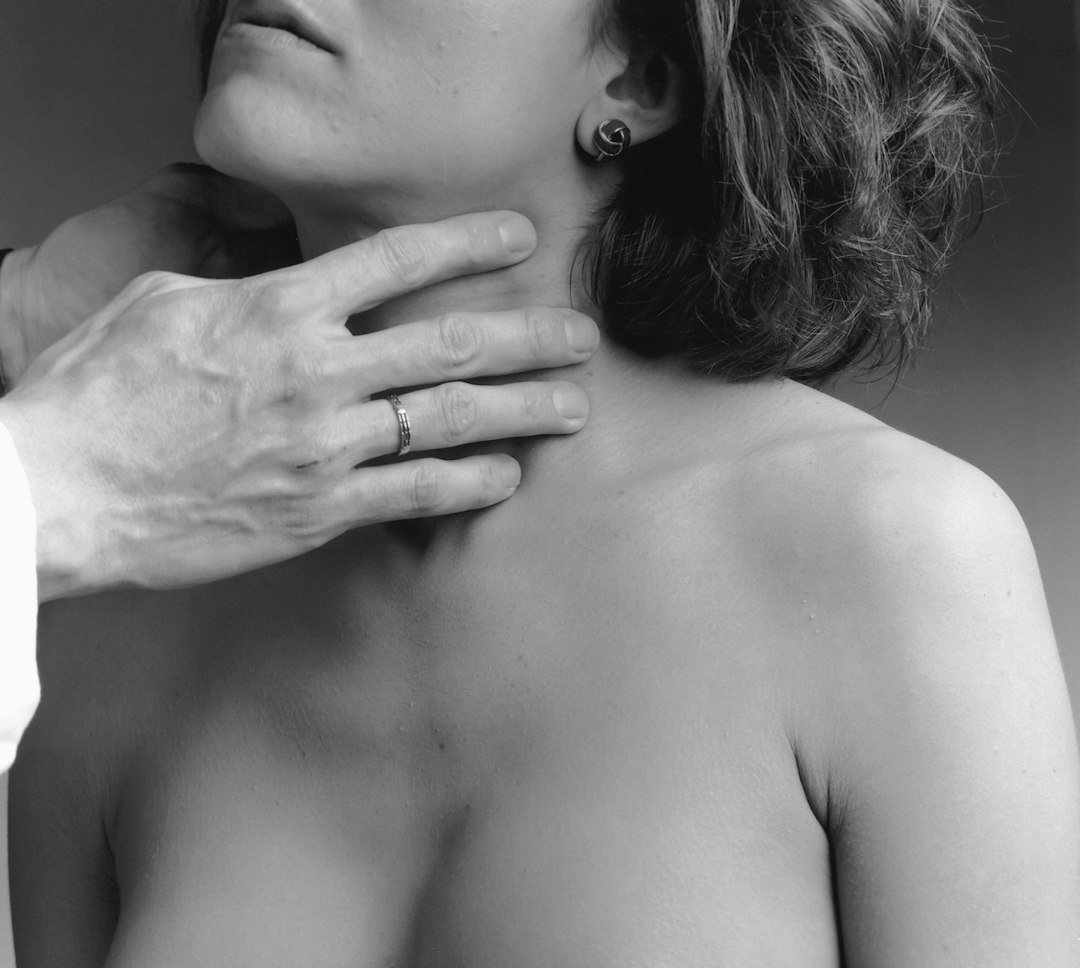
What does the thyroid do?
The thyroid is a small, butterfly-shaped gland at the front of the neck. It produces hormones that help regulate how the body uses energy and influence functions such as heart rate and temperature. When it produces too little or too much hormone, a range of symptoms may develop.
Underactive thyroid (hypothyroidism)
An underactive thyroid does not make enough thyroid hormone. Possible symptoms include persistent tiredness, feeling cold, weight gain, constipation, low mood, difficulty concentrating, dry skin, hair loss and heavier or irregular periods. Symptoms often develop gradually and can overlap with other conditions, so they cannot confirm the diagnosis on their own.
Overactive thyroid (hyperthyroidism)
An overactive thyroid produces too much hormone. Symptoms may include feeling anxious or irritable, heat intolerance, sweating, a racing heartbeat, trembling, difficulty sleeping and weight loss despite an unchanged or increased appetite. Some people notice swelling in the neck or changes affecting the eyes. Seek medical assessment for persistent or concerning symptoms.
How are thyroid problems tested?
A clinician usually considers your symptoms, medical history and examination, then may request thyroid function blood tests. These commonly measure thyroid-stimulating hormone (TSH) and thyroxine (T4); additional tests may be appropriate depending on the pattern. Results need to be interpreted using the laboratory’s reference range and your individual circumstances, including pregnancy and medicines.
A mildly abnormal result does not always mean immediate treatment is needed. Your clinician may repeat testing or request additional investigations to understand whether the change is temporary, how significant it is and what may be causing it.
What treatment might be offered?
An underactive thyroid is commonly treated with levothyroxine, which replaces the hormone the body is not making in sufficient amounts. The dose is individual and is adjusted using symptoms and follow-up blood tests. An overactive thyroid may be treated with medicines, radioiodine or surgery, depending on the cause and the person’s health. Treatment decisions should be made with a qualified clinician.
If you take thyroid medicine, follow the instructions you have been given and attend recommended blood tests. Do not change the dose or stop treatment because you feel better or because of a single result. Tell your healthcare professional about other medicines and supplements, as some can affect treatment or test interpretation.
When should I seek medical advice?
Arrange an appointment if you have persistent symptoms that may be related to your thyroid, or if you notice a new lump or swelling in your neck. Seek urgent medical care for severe symptoms such as chest pain, fainting, marked confusion or a very fast or irregular heartbeat with feeling seriously unwell.
Questions to ask your clinician
- What do my TSH and T4 results mean in my situation?
- Do I need repeat blood tests or additional investigations?
- Could my medicines or supplements affect the results?
- If treatment is recommended, when should I expect a review?
- What symptoms should prompt me to seek help sooner?
Frequently asked questions
Can symptoms alone tell me whether my thyroid is underactive?
No. Many symptoms overlap with other conditions, so blood tests and clinical assessment are usually needed.
Will I need thyroid treatment forever?
It depends on the condition and its cause. Many people with an underactive thyroid need long-term replacement treatment, while other thyroid conditions may be managed differently. Your clinician can explain what applies to you.
Reliable sources
This article is for education only and is not a diagnosis or substitute for individual medical advice.
Talk to a professional. This guide is general information. For advice about your own symptoms, test results or medicines, speak to a doctor or pharmacist.
Written by the nohas.es Editorial Team from the official sources listed above. Read our Editorial Policy and Fact Checking Policy. Found an error? Tell us.