
Educational information, not medical advice. See our Medical Disclaimer. Last updated: October 25, 2026.
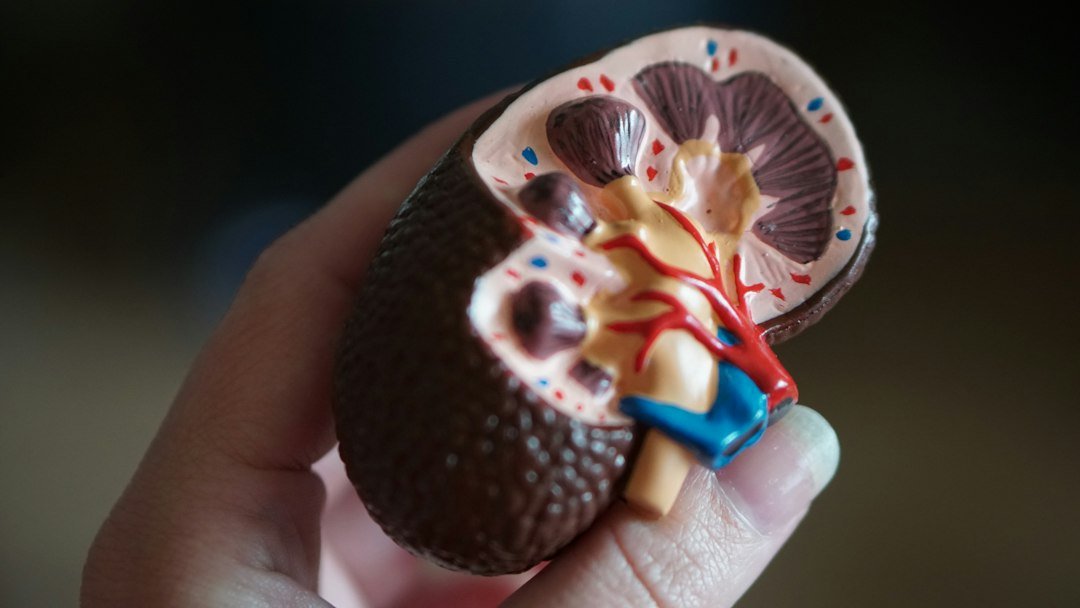
Urinary tract infections (UTIs) are common and can be uncomfortable, but recognising the symptoms and knowing when to seek help can make a real difference. Most importantly, symptoms that suggest an infection has reached the kidneys should never be ignored.
What is a urinary tract infection?
A UTI is an infection in part of the urinary system, which includes the bladder, urethra and kidneys. A bladder infection is often called cystitis. Some infections remain in the lower urinary tract, while others can spread to the kidneys and become more serious.
Common UTI symptoms
- Burning, stinging or pain when passing urine.
- Needing to urinate more often or urgently than usual.
- Passing small amounts of urine frequently.
- Cloudy urine or blood in the urine.
- Pain or discomfort in the lower tummy.
Dark or strong-smelling urine alone does not always mean you have a UTI; dehydration and other factors can affect it. A healthcare professional can help assess the full picture.
When could it be a kidney infection?
Seek urgent medical advice if urinary symptoms occur with a fever, shaking chills, pain in your back or side just under the ribs, nausea or vomiting, or blood in your urine. Pregnancy, diabetes, a weakened immune system, a urinary catheter, recurrent infections, or being male or aged 65 and over are also reasons to contact a healthcare professional promptly when a UTI is suspected.
Get emergency help if you or the person you are caring for becomes confused, unusually drowsy or has difficulty speaking. A severe infection can sometimes lead to sepsis.
How are UTIs treated?
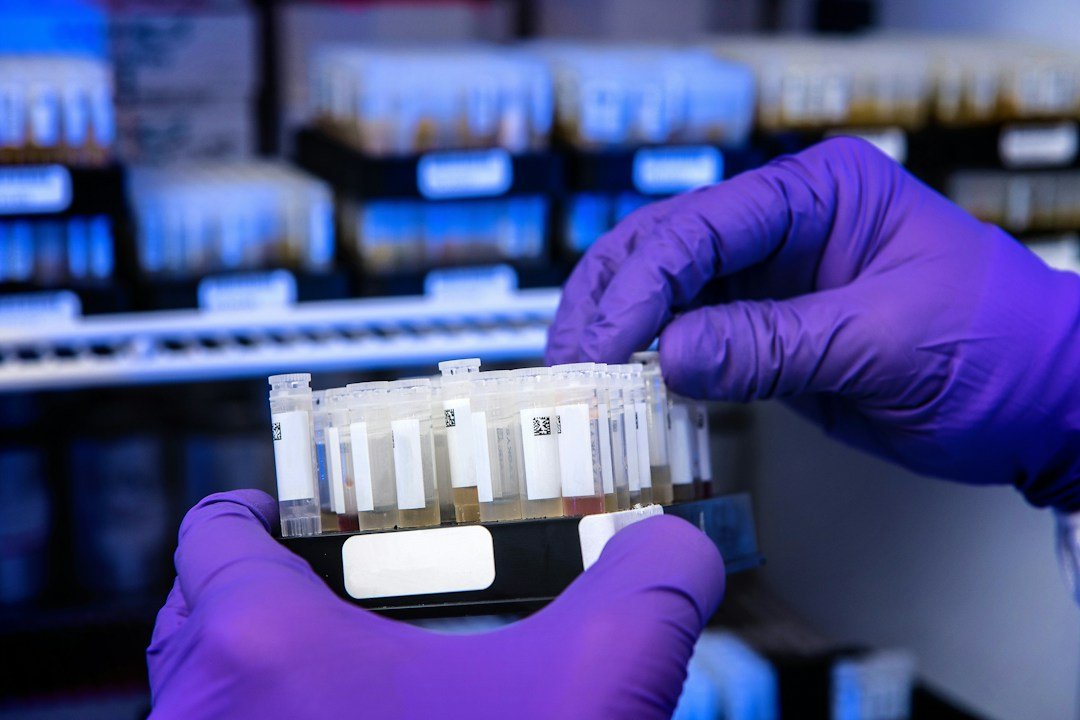
Assessment may include questions about symptoms and sometimes a urine test. Antibiotics may be prescribed when appropriate, but they are not always needed in every case. The choice depends on factors such as symptoms, age, pregnancy, medical history and local guidance. If antibiotics are prescribed, follow the instructions and ask the prescriber or pharmacist if you experience side effects or are unsure how to take them.
Rest and drinking enough fluid to avoid dehydration may help. If you have a condition that requires fluid restriction, follow your clinician’s advice instead. Ask a pharmacist or clinician which pain relief is suitable for you, especially if you have kidney disease, take other medicines or are pregnant.
Can you help prevent UTIs?
- Drink fluids regularly so you do not become dehydrated.
- Do not routinely delay urinating when you need to go.
- Wipe from front to back after using the toilet.
- Avoid perfumed products around the genital area if they irritate your skin.
- If infections keep returning, ask a clinician for an individual prevention plan rather than repeatedly self-treating.
Cranberry products or cystitis sachets should not be relied on to treat an infection that has already started. Evidence for prevention varies, and some products may not be suitable for everyone or may interact with medicines.
When should you seek further help?
Contact a healthcare professional if symptoms worsen quickly, do not begin to improve within 48 hours of starting treatment, return after treatment, or keep happening. Children, pregnant people and anyone with warning signs need particular care.
Key takeaway
Burning and urgency can be signs of a UTI, but fever, back or side pain, vomiting or feeling very unwell may point to a more serious infection. Prompt assessment helps ensure the right treatment is chosen.
Trusted sources
- NHS: Urinary tract infections (UTIs)
- NHS: Kidney infection
- UK Health Security Agency: UTI diagnosis guidance
Medical note: This article is for general information and does not replace a medical assessment. Seek professional advice if you are concerned about symptoms or treatment.
Written by the nohas.es Editorial Team from the official sources listed in this article. Read our Editorial Policy and Fact Checking Policy. Found an error? Tell us.