Self-medication means taking a medicine on your own initiative to relieve a symptom, without first consulting a healthcare professional about that particular episode. A headache, cold or digestive upset may tempt you to use a product already in the medicine cabinet. This can seem convenient, but no medicine is completely harmless, even when it is available without a prescription. It is important to check not only whether it may relieve a symptom, but also whether it is suitable for your age, health and other medicines.
Careful self-care can help manage some mild, short-lived problems. However, choosing the wrong product, taking too much or combining medicines incorrectly can cause side effects and delay diagnosis. This guide explains the main precautions for using medicines responsibly, including considerations relevant to people in Morocco. It provides general information and does not replace individual advice from a doctor or pharmacist.
What is self-medication?
Self-medication is the use of a medicine without a new prescription or consultation for the current problem. It may involve over-the-counter products or reusing medicine prescribed for an earlier illness. Reusing an old treatment can be risky: two episodes that feel similar may have different causes, and a medicine that was suitable before may no longer be appropriate. Rules on which medicines can be supplied without a prescription also vary between countries.
Self-medication should be distinguished from simple self-care measures such as resting or drinking enough fluids. A non-prescription medicine is still a medicine, with an indication, dose, contraindications and possible side effects. “Available without a prescription” does not mean “risk-free” or “suitable for everyone”. The patient information leaflet and advice from a pharmacist can help you use it safely.
Possible benefits, with sensible limits
For a mild and temporary problem, an appropriate medicine may provide short-term relief and avoid the need for a medical appointment for every minor symptom. Responsible self-care can also encourage people to learn about active ingredients, read medicine leaflets and monitor how symptoms develop. A pharmacist can help select a suitable option, explain how to use it and advise when medical assessment is needed.
There are important limits. Self-medication cannot diagnose a complex condition, treat a persistent illness on its own or replace medical follow-up. If symptoms worsen, keep returning or fail to improve within the time stated in the leaflet, do not simply add more products. Seek professional advice instead of extending treatment by yourself.
What are the main risks?
Choosing the wrong medicine or masking symptoms
The same symptom can have many causes. Abdominal pain, fever or unusual tiredness may not be a minor problem. A medicine may temporarily reduce discomfort without treating the underlying cause. Feeling better does not necessarily mean that the condition has resolved. If a symptom is new, severe, persistent or accompanied by other warning signs, seek medical advice rather than focusing only on suppressing it.
Side effects and interactions
Common medicines can cause allergic reactions, digestive problems, drowsiness and other unwanted effects. The risk depends on the active ingredient, dose, duration of use and a person’s health. Interactions can occur when a medicine is combined with another treatment, herbal product or food supplement. Tell your pharmacist about everything you take, including products bought without a prescription.
Incorrect dose or duration
Taking an extra dose because relief is slow can increase the risk of toxicity without improving the effect. Follow the dose, interval between doses and duration stated in the leaflet or recommended by a professional. Do not use a kitchen spoon to measure liquid medicine; use the measuring device supplied. Never estimate a child’s dose by adapting an adult dose by eye.
Common medicines are not risk-free
Paracetamol: avoid accidental duplication
Paracetamol is used for certain types of pain and fever, but an overdose can cause serious liver damage. A common mistake is taking several cold, flu or pain products without noticing that they all contain paracetamol. Check the active ingredients carefully and never exceed the recommended dose. If you have liver disease, are unsure how much you have taken or use other medicines, ask for advice before taking another dose.
Anti-inflammatory painkillers: check the precautions
Non-steroidal anti-inflammatory drugs (NSAIDs), such as ibuprofen, are not suitable for everyone. Depending on the person and circumstances, they can increase the risk of stomach irritation or bleeding, affect kidney function or interact with medicines such as anticoagulants. Certain long-term conditions, pregnancy and a history of stomach ulcers require particular caution. Do not combine different NSAIDs unless a healthcare professional advises you to.
Antibiotics: never take them “just in case”
Antibiotics treat certain bacterial infections, not viruses that cause colds or flu. Taking them without an appropriate diagnosis can cause side effects, delay the right care and contribute to antimicrobial resistance. Never use leftover antibiotics, share them with another person or change a prescribed course without contacting the prescriber.
Who should take extra care?
Children, pregnant or breastfeeding women, older adults and people living with long-term conditions should seek advice before using non-prescription medicines. For children, the choice and dose depend on factors such as age, weight and the formulation. During pregnancy and breastfeeding, some ingredients may carry specific risks. Older adults may be more vulnerable to interactions, drowsiness and falls, particularly when taking several medicines.
People with high blood pressure, diabetes, asthma, kidney disease, liver disease, heart conditions or digestive disorders should also check that a product is suitable. Do not stop a prescribed treatment in order to take an over-the-counter medicine. If you are unsure, show the pharmacist a list or the packaging of your regular medicines.
Good practice before taking a medicine
Before buying a product, tell the pharmacist how long the symptom has been present, how severe it is, what other symptoms you have and what you have already tried. Mention allergies, medical conditions, possible pregnancy and regular medicines. Read the leaflet and check the active ingredient, indication, contraindications, dose, interval between doses and maximum duration. Do not rely on the brand name alone, as products from different manufacturers may contain the same ingredient.
Buy medicines from an authorised pharmacy. Avoid products of uncertain origin and claims of miracle cures shared on social media. Keep medicines in their original packaging and follow the stated storage conditions. Store them out of children’s reach and do not reuse leftover medicines from an old course. Ask a pharmacist how to dispose of unused or expired medicines safely.

When should you seek urgent medical help?
Seek medical advice if symptoms persist, worsen, keep returning or feel unusual. Difficulty breathing, chest pain, loss of consciousness, seizures, sudden confusion, swelling of the tongue or throat, or sudden weakness on one side of the body require urgent help. Do not try to manage these situations by adding another medicine.
If an overdose is suspected or a child has accidentally swallowed medicine, seek immediate medical or poison-centre advice, even if no symptoms are visible. Keep the packaging and, if possible, note the product, amount and time taken. In Morocco, the official Sehati portal lists the Poison Control and Pharmacovigilance Centre numbers as 0801 000 180 or 0537 68 64 64. Check current official contact details when help is needed.
The pharmacist’s role in self-medication
A pharmacist is an important source of advice when deciding whether a medicine is suitable, identifying contraindications and checking for interactions with regular treatment. They can explain how to use a product and recommend medical assessment when symptoms need further investigation. Useful questions include: How long should I take this medicine? Can it be used with my usual treatment? Which side effects should prompt me to stop and seek help? A short conversation can prevent a wrong choice or dosing error.
Conclusion: use medicines responsibly
Self-medication can be helpful for some mild, temporary problems, but it should be limited and carefully considered. A non-prescription medicine can still cause side effects, interact with other products or mask an important symptom. Before taking it, check the active ingredient, dose, duration and contraindications. Do not share medicines or reuse antibiotics and treatments from an old prescription.
The safest approach is to ask a pharmacist when in doubt and consult a doctor if symptoms persist or worsen. For serious warning signs or a possible overdose, seek urgent medical help. Responsible self-medication is not about treating every problem alone; it is about understanding the limits of medicines and knowing when to involve a professional.
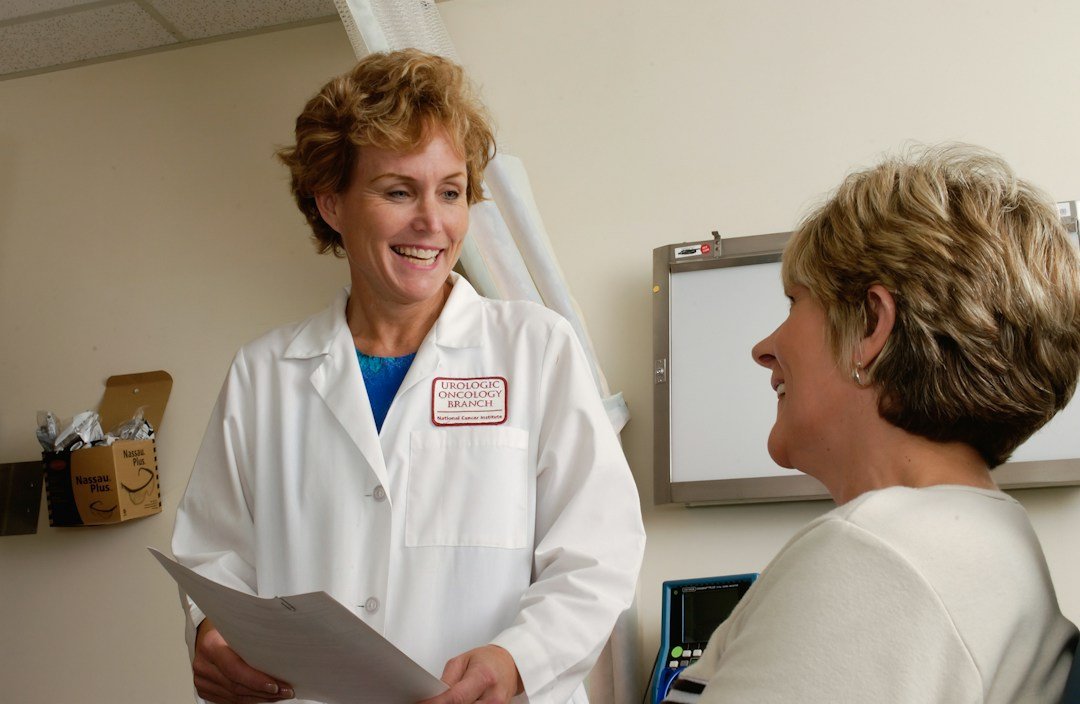
Frequently asked questions about self-medication
Is a medicine available without a prescription always safe?
No. It can cause side effects, allergies or interactions. Follow the leaflet and ask for advice if you have a long-term condition, take other medicines or are unsure.
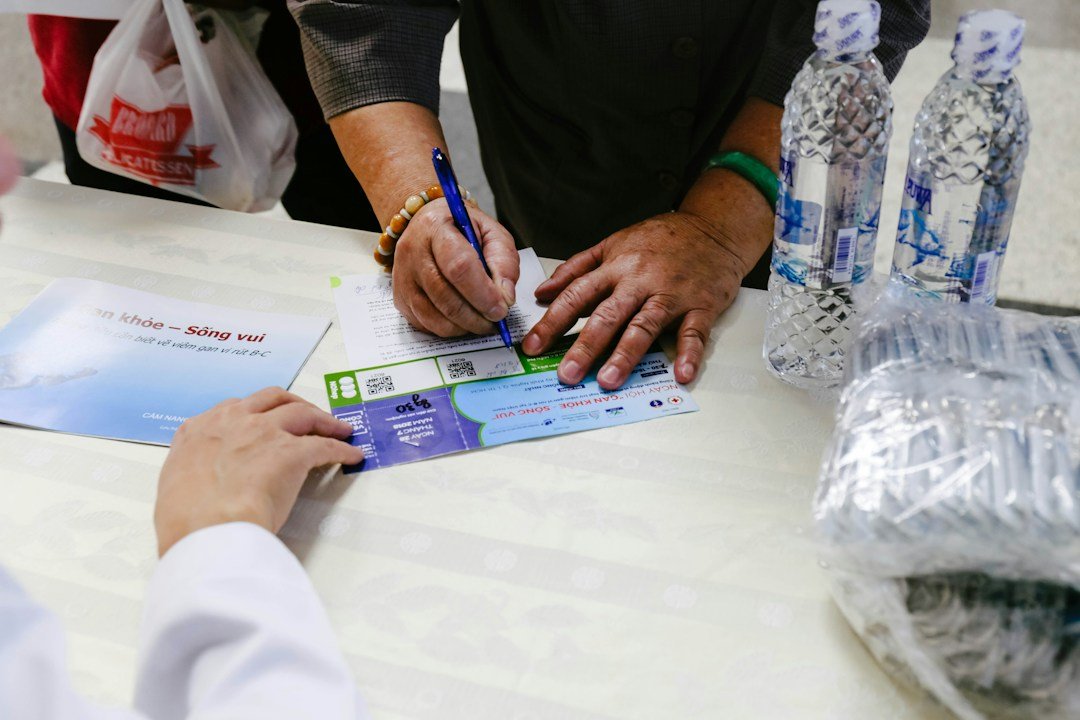
Can I reuse a medicine prescribed for an earlier illness?
Avoid doing so without professional advice. The current problem may have a different cause, and the medicine may be unsuitable, out of date or incompatible with your current circumstances.
Can I take two cold remedies at the same time?
Not without checking their active ingredients. Several products may contain the same ingredient, particularly paracetamol, which can lead to an accidental overdose. Ask a pharmacist if you are unsure.
Can antibiotics treat a cold or flu?
No. These illnesses are usually caused by viruses, and antibiotics do not work against viruses. Antibiotics should be used only when indicated for a bacterial infection.
What should I do if I have taken too much medicine?
Seek medical advice or contact a poison centre immediately, even if you feel well. Keep the packaging and provide the product name, amount and time taken.
Medical sources and references
- Sehati – What is self-medication?
- Sehati – Recommendations for the safe use of paracetamol
- Assurance Maladie – Self-medication
- World Medical Association – Statement on self-medication
- NHS – Ibuprofen for adults
- World Health Organization – Self-care for health and well-being
Medical disclaimer: This article is for information only and does not replace a consultation, diagnosis, prescription or personalised advice from a doctor or pharmacist. Indications and supply rules may vary between countries and products.