Bone density refers to the amount of mineral, mainly calcium and phosphorus, contained in a given volume of bone. It helps determine how strong the skeleton is. When bone density falls significantly, bones become more fragile and the risk of fracture rises. This can happen silently over many years, without pain or obvious symptoms.
Understanding bone mineral density (BMD), knowing when a bone density scan may be appropriate and adopting habits that support bone health can help reduce the risk of some fractures. This guide explains the basics, the tests used and when to seek medical advice.
What is bone density?
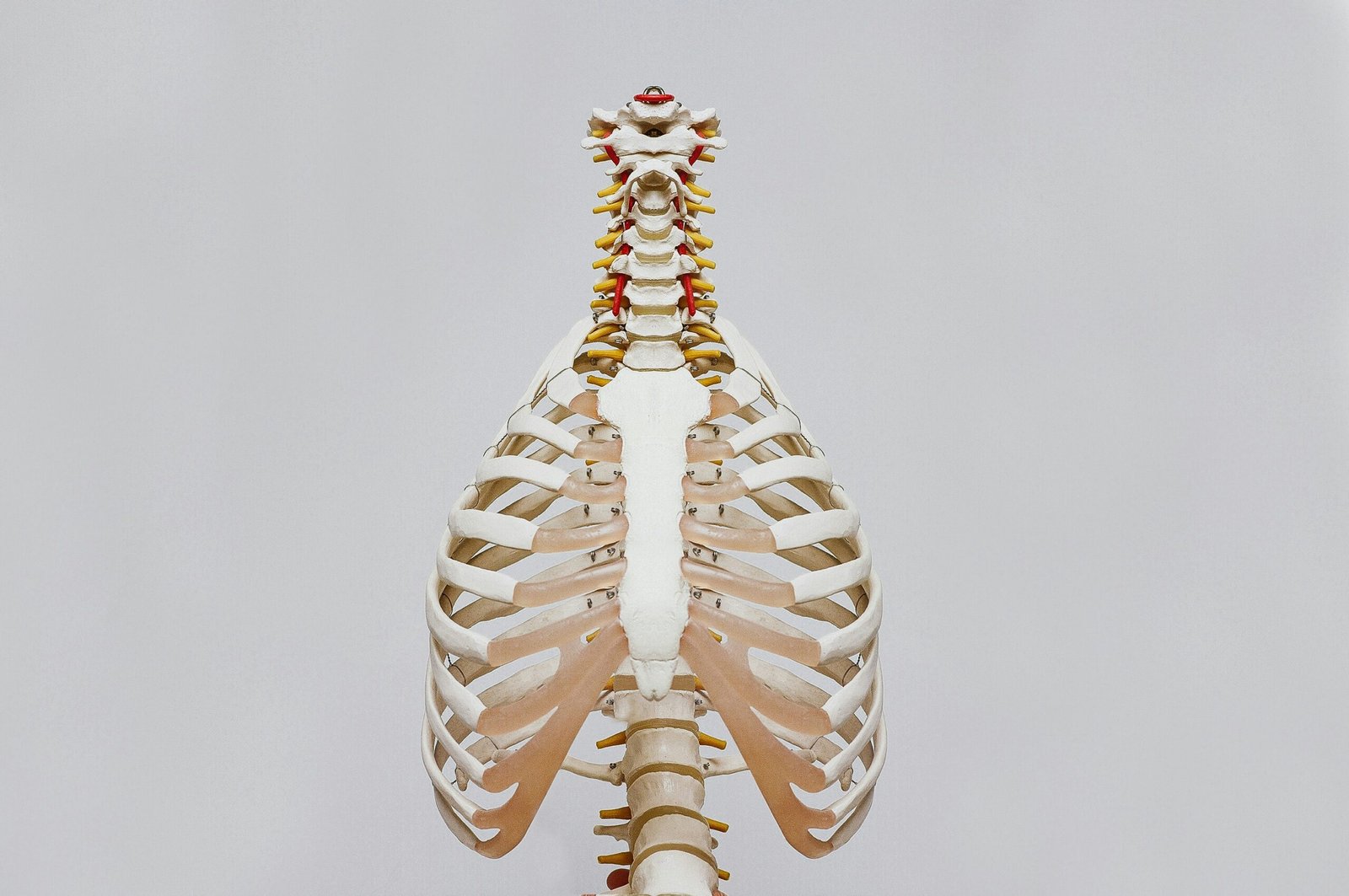
Bone is living tissue that is continually renewed. Old bone is broken down and replaced by new bone in a process known as remodelling. During childhood and early adulthood, bone formation generally exceeds bone loss, allowing bone mass to increase. Peak bone mass is usually reached in early adulthood. With ageing, and particularly after menopause, bone loss may gradually become faster than bone formation.
Low bone density is not the same as osteoporosis, although it can be an early warning sign. Osteoporosis is a condition in which bones become weak and more likely to break, sometimes after a minor fall or everyday movement.
What can affect bone density?
Age, hormonal changes, family history and body size all influence bone health. Bone loss becomes more common with age and can accelerate after menopause because oestrogen levels fall. A previous fragility fracture, a parent who experienced a hip fracture, low body weight and certain medical conditions may also increase risk.
Other factors include smoking, excessive alcohol intake, low calcium or vitamin D intake, limited physical activity and prolonged use of some medicines, particularly oral corticosteroids. Conditions affecting hormone levels, digestion, kidney function or nutrient absorption can also contribute. Having one or more risk factors does not mean that a fracture is inevitable, but it may justify an assessment.
How is bone density measured?
The most widely used test is dual-energy X-ray absorptiometry, usually called a DEXA or DXA scan. It is a quick, painless test that uses a low dose of X-rays to measure bone mineral density, commonly at the hip and spine. You usually lie on a padded table while the scanner moves over the area being assessed.
The result is often reported as a T-score in postmenopausal women and men aged 50 or over. A T-score of -1.0 or above is generally considered within the expected range; between -1.0 and -2.5 indicates low bone mass (sometimes called osteopenia); and -2.5 or below is consistent with osteoporosis. Clinicians interpret results in context, and different criteria may apply to younger adults and certain clinical situations.
A DEXA scan does not predict with certainty whether an individual will break a bone. A clinician may also use a fracture-risk assessment tool, such as FRAX, alongside age, medical history and other factors to estimate the likelihood of a fracture over a set period.
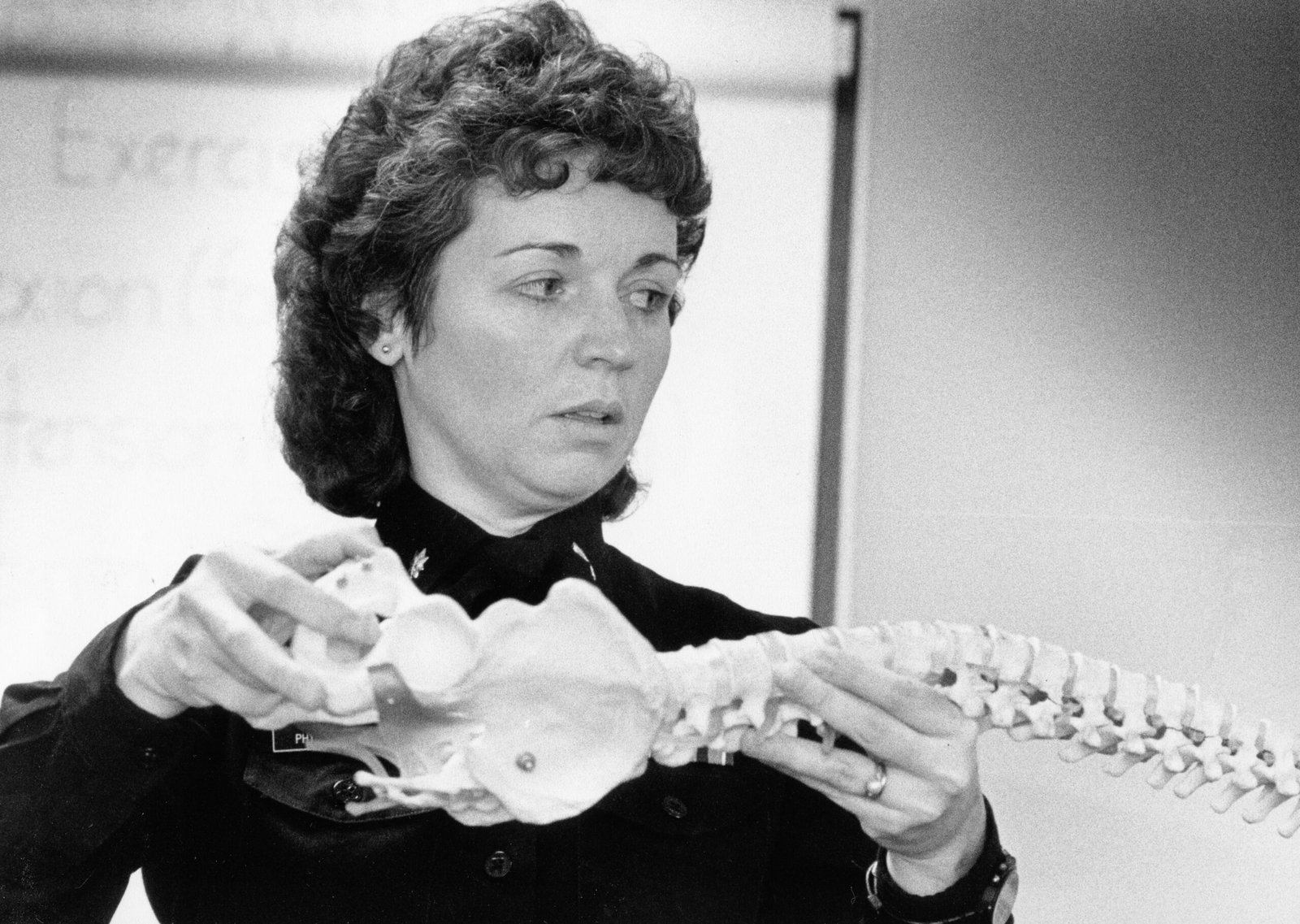
Who may need a bone density scan?
Screening recommendations vary by country. A scan may be recommended for older women and men, people who have had a fracture after a minor fall, those with conditions or medicines that increase bone loss, and people whose overall fracture risk is elevated. It is not necessary for every healthy adult. Your GP or specialist can advise whether testing is appropriate and when it should be repeated.
Ways to support healthy bones
- Eat a balanced diet: include calcium-rich foods such as dairy products or suitable fortified alternatives, as well as vegetables, pulses, nuts and protein sources.
- Maintain vitamin D intake: vitamin D helps the body absorb calcium. Sunlight, food and supplements may contribute, but supplementation should be discussed if you have a medical condition or risk of deficiency.
- Stay physically active: weight-bearing activities such as walking, dancing and stair climbing, together with appropriate resistance exercise, can support bone and muscle strength.
- Stop smoking: smoking is associated with poorer bone health and higher fracture risk.
- Keep alcohol within recommended limits: heavy drinking can increase falls and negatively affect bone health.
- Reduce falls: review eyesight, footwear and medicines that cause dizziness, and make the home safer where possible.
When is treatment considered?
Treatment depends on the scan result, age, fracture history and overall risk. Some people benefit from lifestyle changes and monitoring alone. Others may be offered medicines that reduce bone breakdown or help build bone. Options can include bisphosphonates and other specialist treatments. These medicines have specific benefits, precautions and possible side effects, so the choice should be made with a healthcare professional.
Do not start high-dose calcium or vitamin D supplements, or stop prescribed treatment, without discussing it with your clinician. More is not always better, and supplements may interact with medicines or be unsuitable in some conditions.
Frequently asked questions
Does low bone density cause pain?
Low bone density and osteoporosis usually cause no symptoms until a fracture occurs. Sudden back pain, loss of height or a change in posture may need assessment for a spinal fracture.
Can exercise improve bone density?
Weight-bearing and resistance exercise can help maintain or modestly improve bone strength and reduce falls by improving muscle strength and balance. Choose activities that are safe for your health and current fitness level.
How often should a DEXA scan be repeated?
There is no single interval for everyone. The timing depends on the initial result, age, risk factors and whether treatment has started. Follow the schedule recommended by your clinician.
Key points
Bone density is an important part of skeletal strength, but it is only one element of fracture risk. A DEXA scan can help identify low bone mass and osteoporosis in people who are likely to benefit from testing. A balanced diet, regular weight-bearing activity, avoiding smoking, moderating alcohol and preventing falls all support bone health. Ask a healthcare professional about individual screening and treatment decisions.
Sources and further information
- NHS – Osteoporosis.
- National Institute of Arthritis and Musculoskeletal and Skin Diseases – Osteoporosis.
- Bone Health and Osteoporosis Foundation – Bone health information.
Medical disclaimer: this article is for general information and does not replace personalised medical advice, diagnosis or treatment.