Health & nutrition guide | NOHAS Editorial Team | 17 November 2026
Chia seeds may be tiny, but they provide an impressive combination of dietary fibre, plant-based omega-3 fatty acids, protein and minerals. Their mild flavour makes them easy to add to breakfast, yoghurt, smoothies and many everyday meals. They are often described as a “superfood”, but no single food can transform health on its own. The real value of chia seeds is that they can contribute useful nutrients as part of a varied, balanced diet.

What are chia seeds?
Chia seeds come from Salvia hispanica, a flowering plant in the mint family that is native to parts of Central America. They have been eaten for centuries and are now widely used in cereals, drinks, baked foods and home cooking. The seeds are usually black, grey or white, with a mild, slightly nutty taste. Their colour does not appear to make a meaningful difference to their nutritional value.
One distinctive feature is their ability to absorb liquid. When soaked, chia seeds develop a soft, gel-like coating. This texture makes them useful for thickening puddings and adding moisture to recipes.
Chia seeds nutrition: what do they contain?
A typical 28-gram serving (about two tablespoons) provides roughly 140 calories, around 10–11 grams of fibre, about 4 grams of protein and a useful amount of unsaturated fat. Exact values vary slightly by product and serving size. Chia seeds also provide minerals such as calcium, phosphorus, magnesium and zinc.
One of their best-known nutrients is alpha-linolenic acid (ALA), a plant-based omega-3 fatty acid. ALA is essential, which means the body needs to obtain it from food. Chia is a convenient plant source, although ALA is not identical to the long-chain omega-3 fats found in oily fish.
Potential health benefits of chia seeds
1. They help increase dietary fibre intake
Fibre is important for normal digestion and bowel function. Chia seeds contain both insoluble fibre and soluble fibre that forms a gel when mixed with water. Fibre can help add bulk to stools and support regular bowel movements. A fibre-rich eating pattern is also associated with better long-term digestive and metabolic health.
If your usual diet is low in fibre, introduce chia gradually. Increasing fibre suddenly may cause gas, bloating or abdominal discomfort, particularly if you do not drink enough fluid.
2. They provide plant-based omega-3 fats
ALA contributes to the body’s normal functions and is part of a heart-conscious eating pattern. Chia seeds can help people who eat little or no fish include more plant omega-3 fats in their meals. Other sources include walnuts, flaxseed and certain vegetable oils.
It is important to keep expectations realistic. Research on ALA-rich foods is encouraging, but studies have not consistently shown that chia seeds alone prevent heart disease or reliably lower cholesterol, blood pressure or inflammation. They should complement, not replace, established medical care or an overall healthy dietary pattern.
3. They add plant protein
Chia seeds contain protein and contribute to the overall protein content of meals. Protein is needed for the maintenance and repair of body tissues. However, chia is usually eaten in relatively small portions, so it is best viewed as one contributor rather than a main protein source. Beans, lentils, eggs, dairy foods, tofu, fish and other foods can help meet daily protein needs.
4. They contribute minerals for normal body functions
Chia seeds contain calcium and phosphorus, which are needed for healthy bones and teeth. They also provide magnesium, which is involved in muscle and nerve function, and small amounts of other minerals. These nutrients are useful, but a balanced diet with a variety of foods remains the best way to obtain the full range of vitamins and minerals.
5. They may make meals more satisfying
Because chia seeds contain fibre, fat and some protein, adding them to a meal may help make it more filling. Their gel-forming texture can also change the consistency of foods. This may support meal satisfaction for some people, but it does not mean chia seeds cause weight loss. Body weight is influenced by many factors, including overall food intake, activity, sleep, health conditions and medicines.
How much chia should you eat?
There is no single daily amount that is right for everyone. Many people start with one tablespoon (around 10–12 grams) and see how they tolerate it before increasing the portion. Two tablespoons, approximately 28 grams, is a common serving used in nutrition references. This is a food portion, not a medical dose or a requirement.
Start with a small quantity if you are not used to high-fibre foods, and drink enough water throughout the day. If you have a digestive condition or have been advised to follow a restricted-fibre diet, ask your healthcare professional whether chia seeds are suitable.
How to prepare and eat chia seeds
Chia seeds are versatile and have a mild flavour, so they can be incorporated into sweet or savoury dishes. For most everyday uses, mix them with liquid or add them to moist foods.
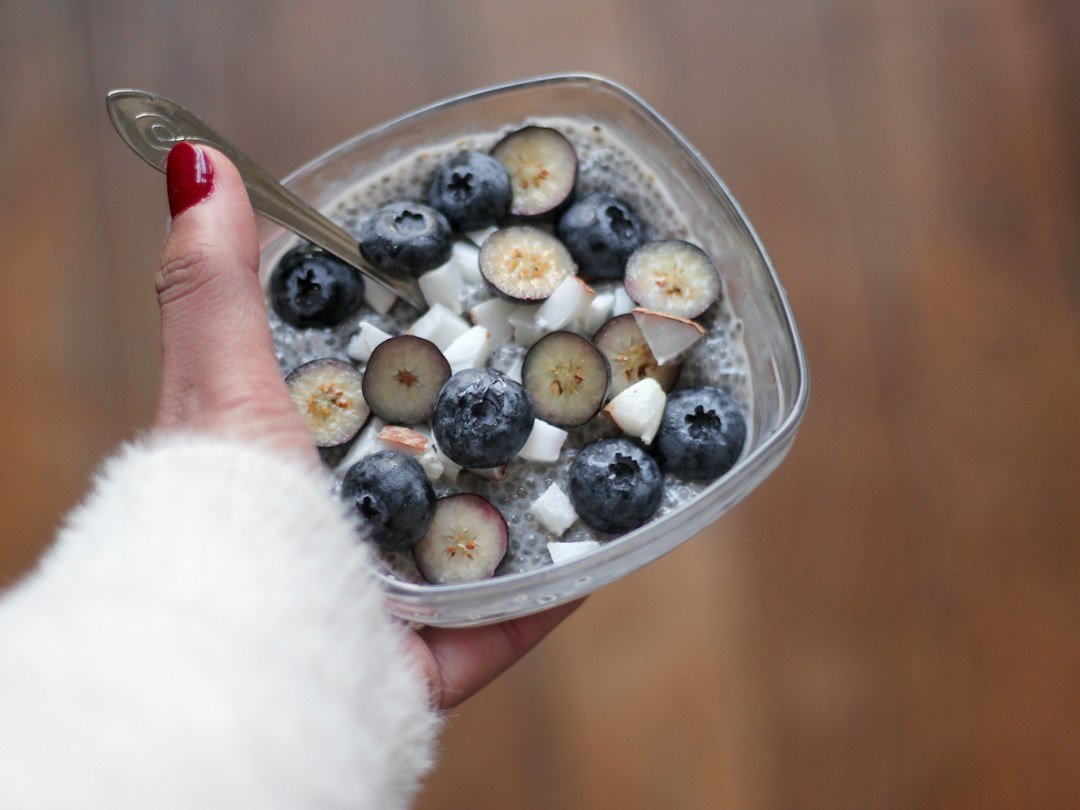
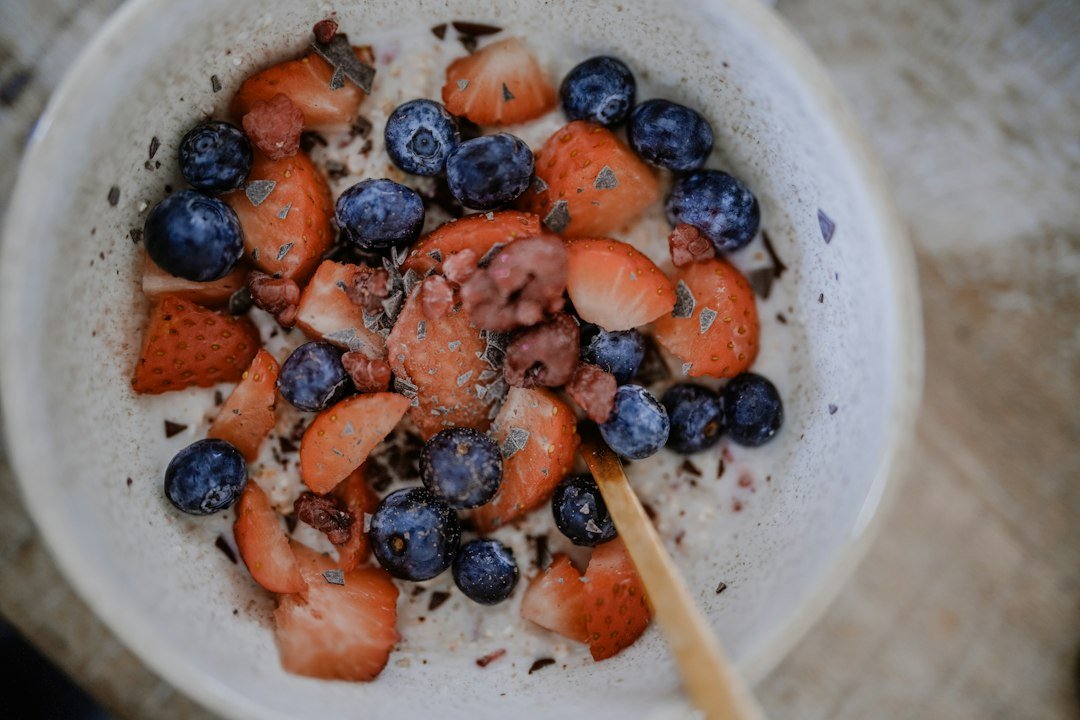
- Chia pudding: Stir one to two tablespoons into milk or a fortified plant drink. Refrigerate until thick, stirring again after a few minutes to prevent clumps. Add fruit, cinnamon or plain yoghurt.
- Yoghurt or porridge: Sprinkle a small amount over breakfast and allow it to soften before eating.
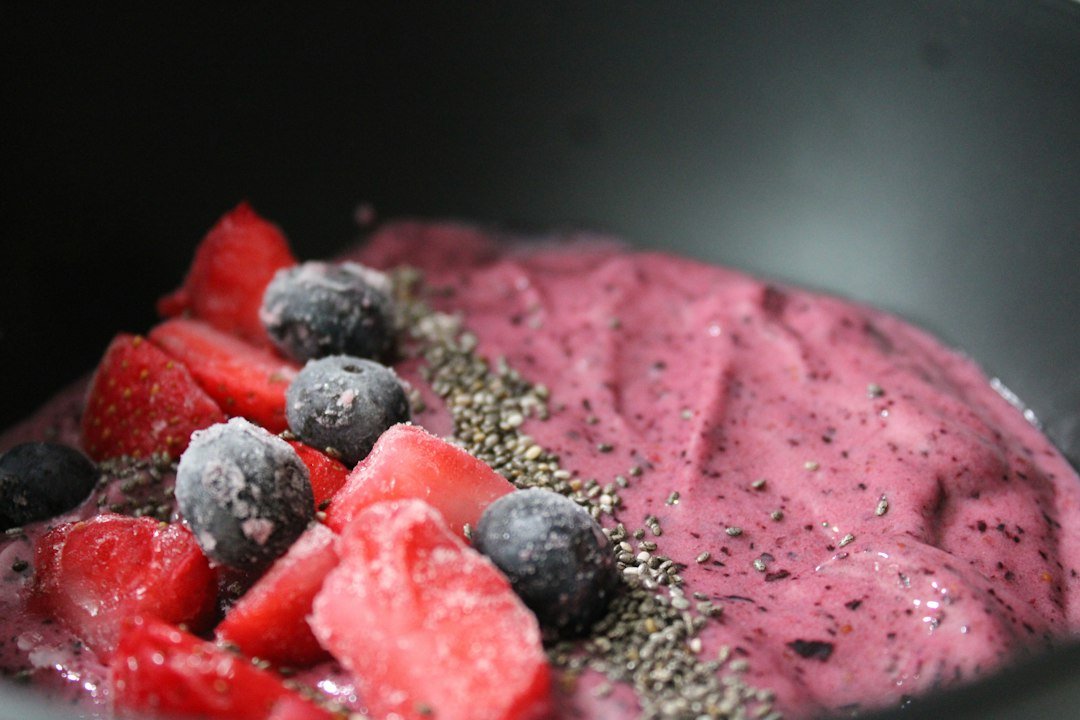
- Smoothies: Blend chia seeds with fruit, vegetables and your usual liquid. Let the drink stand briefly so the seeds can absorb moisture.
- Baking: Add them to bread, muffins or homemade crackers for extra fibre and texture.
- Chia gel: Mix the seeds with water, stir well and leave until a gel forms. This can be used to thicken some recipes.
Are there any risks or side effects?
Chia seeds are generally well tolerated when eaten as food in sensible portions, but a few precautions matter.
Avoid swallowing a spoonful of dry seeds
Chia seeds absorb liquid and swell. Eating a large spoonful dry and then drinking water may cause the seeds to expand before they reach the stomach. Rare reports describe swallowing difficulties or blockage, particularly in people with problems swallowing. It is safer to soak the seeds first or mix them thoroughly into moist food. Anyone with difficulty swallowing should seek individual advice before eating them.
Increase fibre gradually
A sudden large serving may cause bloating, wind, cramps or changes in bowel habits. Begin with a small amount, increase gradually if comfortable and maintain adequate fluid intake. If severe or persistent symptoms develop, stop eating them and seek medical advice.
Allergies and medicines
Allergic reactions to chia are uncommon but possible. Avoid the seeds if you have a known chia allergy and seek urgent help if you develop symptoms of a severe allergic reaction, such as difficulty breathing or swelling of the throat.
If you take medicines for diabetes or blood pressure, or medicines that affect blood clotting, discuss major dietary changes or concentrated chia supplements with your clinician or pharmacist. Chia seeds should not be used to replace prescribed treatment. People with swallowing disorders or significant digestive conditions should also ask for tailored advice.
How to choose and store chia seeds
Choose food-grade chia seeds from a reputable retailer and check the packaging for a best-before date and storage instructions. The seeds should be dry and free from signs of moisture, insects or an unusual smell. Store them in a tightly closed container in a cool, dry place away from direct sunlight. Follow the manufacturer’s advice after opening; refrigeration may be useful in warm or humid conditions.
Chia seeds and weight loss: what does the evidence say?
Chia seeds are sometimes promoted as a weight-loss food because their fibre absorbs liquid and may increase fullness. However, feeling full after a meal is not the same as proven long-term weight loss. Human studies have not established that adding chia seeds by itself produces meaningful or sustained weight reduction. If weight management is a goal, focus on sustainable eating habits, appropriate portions, regular activity, sleep and professional support when needed.
The bottom line
Chia seeds are a convenient source of fibre, ALA omega-3 fats, plant protein and several minerals. They can add texture and nutritional variety to porridge, yoghurt, smoothies and puddings. For most people, a modest portion that has been soaked or mixed into moist food is a practical way to enjoy them. They are not a cure, a medicine or a shortcut to weight loss, and their benefits should be understood in the context of an overall balanced diet.
Reliable sources and further reading
- Harvard T.H. Chan School of Public Health – Chia Seeds
- Harvard Health Publishing – Chia seed benefits: What you need to know
- MedlinePlus – Healthy living guide: Chia seeds
- Memorial Sloan Kettering Cancer Center – Chia
- Systematic review and meta-analysis of clinical evidence on chia seed supplementation
Medical and nutrition disclaimer: This article is for general educational purposes only. It does not replace personalised advice, diagnosis or treatment from a qualified healthcare professional.
About the author
Written by the NOHAS Editorial Team using the sources listed above. Read our Editorial Policy and Fact Checking Policy. Found an error? Contact us.