
Educational information, not medical advice. See our Medical Disclaimer. Last updated: October 29, 2026.
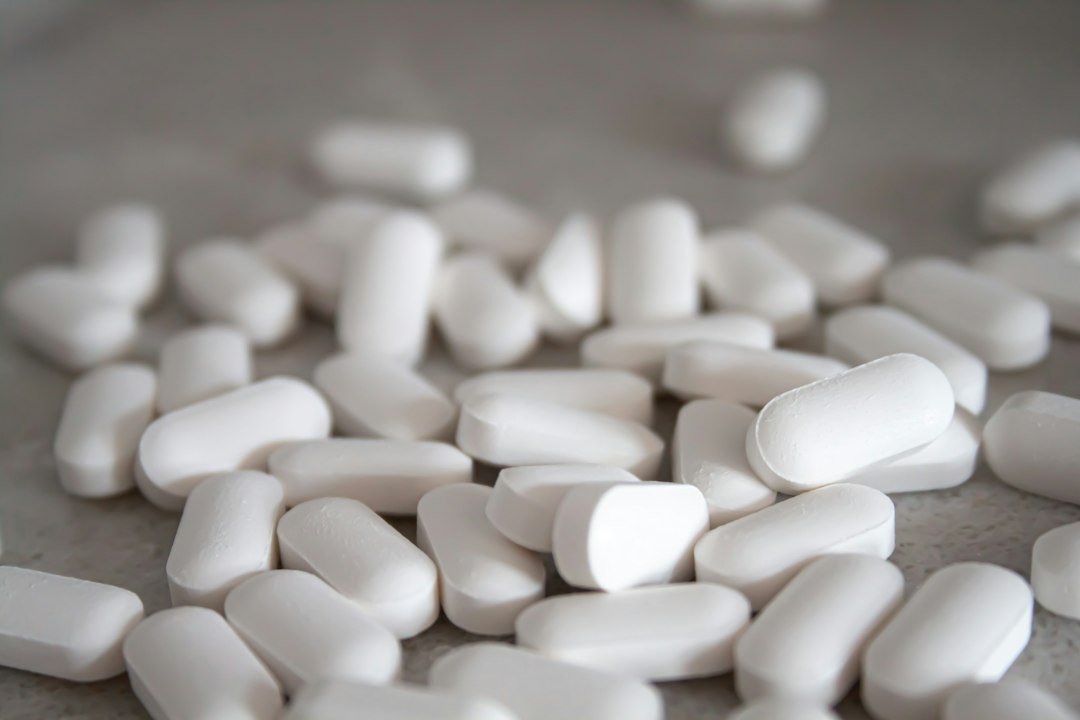
Paracetamol, known as acetaminophen in the United States, Canada and Japan, is one of the most widely used medicines in the world. Taken at the right dose it is considered safe for most people. The gap between a helpful dose and a harmful one is smaller than many people think, though, and most serious problems come from accidental extra doses rather than from deliberate misuse.
What paracetamol is and what it treats
Paracetamol is a pain reliever and fever reducer. It is commonly used for headaches, toothache, period pain, muscle aches and the aches that come with colds and flu. Unlike ibuprofen or aspirin, it is not a non-steroidal anti-inflammatory drug (NSAID) and does little to reduce inflammation. That is one reason it is often easier on the stomach.
Usual adult dosing: what official sources say
Always follow the leaflet of the exact product you are using, because strengths and forms (500 mg tablets, 1 g tablets, liquids, suppositories) differ. As a reference point, the UK National Health Service (NHS) describes the usual adult dose of standard 500 mg tablets as one or two tablets per dose, with at least four hours between doses and no more than eight tablets in any 24-hour period (4,000 mg).
MedlinePlus, from the US National Library of Medicine, gives the same ceiling: do not take more than 4,000 mg of acetaminophen per day from all sources. Some over-the-counter labels in the US advise a lower daily limit, often 3,000 mg for extra-strength products, so the number printed on your own packet is the one that applies to you.
- Leave at least four hours between doses.
- Count every product that contains paracetamol toward the same daily total.
- Use the lowest dose that controls your symptoms, for the shortest time needed.
Who needs extra caution
Paracetamol is processed by the liver, so anything that stresses the liver raises the stakes. Talk to a pharmacist or doctor before using it if any of these apply:
- Liver disease or a history of liver problems.
- Regular heavy alcohol use.
- Low body weight (for example under about 50 kg), poor nutrition or dehydration.
- Other medicines, including some anti-seizure drugs and blood thinners such as warfarin, where regular paracetamol use can matter.
- Pregnancy or breastfeeding. Paracetamol is commonly used when pain or fever needs treating, but guidance is to use the lowest effective dose for the shortest time and to check with a doctor or midwife.
Children. Doses for children depend on age and weight and must come from the label of a children’s product or from a healthcare professional. Never give an adult product or estimate a dose from an adult one. Use the measuring syringe or cup supplied with the medicine.
The hidden-ingredient problem
Many accidental overdoses happen because paracetamol is an ingredient in products people do not think of as “paracetamol”. It appears in many cold and flu remedies, night-time sinus products and some prescription pain medicines that combine it with an opioid. Taking a cold remedy plus plain paracetamol on top can push you past the daily limit without you noticing.
On packaging, look for paracetamol, acetaminophen or APAP in the active ingredients. If two products you are taking both list it, count both.
Too much paracetamol can cause serious liver damage, and in severe cases liver failure. The danger is easy to miss because early symptoms may be mild or absent for the first day: nausea, vomiting or just feeling unwell. If you or someone else may have taken too much, seek emergency help or call your local poison control service immediately, even if you feel fine. Treatment works best when it starts early.
Common mistakes
- Doubling up on products. Combining a cold remedy with extra paracetamol.
- Dosing too often. Taking the next dose after two or three hours because the pain returned.
- Treating a “bit more” as harmless. Extra tablets do not give extra pain relief beyond the labeled dose, but they do add risk.
- Using adult medicine for children. Or guessing a child’s dose by weight without a label or professional advice.
- Using it with heavy drinking. Regular heavy alcohol use raises the risk of liver injury.
- Continuing for days without a diagnosis. Needing it regularly is a signal to find out why you are in pain.
When to get medical advice
- Pain or fever that is not improving after a few days of treatment. For fever, about three days is a common threshold for seeing a doctor.
- A very young baby with a fever. Babies under three months with a high temperature should be assessed by a doctor promptly.
- A severe headache with a stiff neck, a new rash, confusion or sensitivity to light needs urgent care, not just a painkiller.
- Any suspected overdose, as described above.
If you have the flu, paracetamol can ease fever and aches, but it does not treat the virus itself. See our guide to seasonal flu prevention, symptoms and treatment.
- Follow the leaflet of your specific product; adult maximums are commonly cited as 4,000 mg per 24 hours, and some labels set it lower.
- Leave at least four hours between doses.
- Check cold, flu and combination medicines for hidden paracetamol.
- If too much may have been taken, get emergency help straight away, even without symptoms.
- Ask a pharmacist if you have liver problems, drink heavily, weigh little, are pregnant or take other medicines.
Frequently asked questions
Can I take paracetamol on an empty stomach?
Yes. Paracetamol does not usually irritate the stomach lining the way NSAIDs such as ibuprofen can.
Can I take paracetamol and ibuprofen together?
The two work differently and do not directly interact, so many pharmacists say they can be used together or alternated, as long as each stays within its own limits. Ask a pharmacist first if you have kidney, stomach or asthma problems, are pregnant, or are older.
How long does it take to work?
Oral paracetamol typically starts working within roughly 30 to 60 minutes.
Is it safe to take every day?
Short-term use at the labeled dose is generally considered safe for most adults. Daily use over weeks should be discussed with a doctor so the cause of the pain can be addressed.
Sources
- NHS: Paracetamol for adults
- NHS: How and when to take paracetamol for adults
- MedlinePlus: Acetaminophen
Written by the nohas.es Editorial Team from the official sources listed above. Read our Editorial Policy and Fact Checking Policy. Found an error? Tell us.