
Educational information, not medical advice. See our Medical Disclaimer. Last updated: October 25, 2026.
A blood test can feel surprisingly personal. You may see a list of numbers, flags and abbreviations and wonder whether something is wrong. A full blood count (FBC) is one of the most commonly requested blood tests, and an unexpected result does not automatically mean you have a serious illness. The important step is to understand what the test measures and discuss your own results with a qualified healthcare professional.

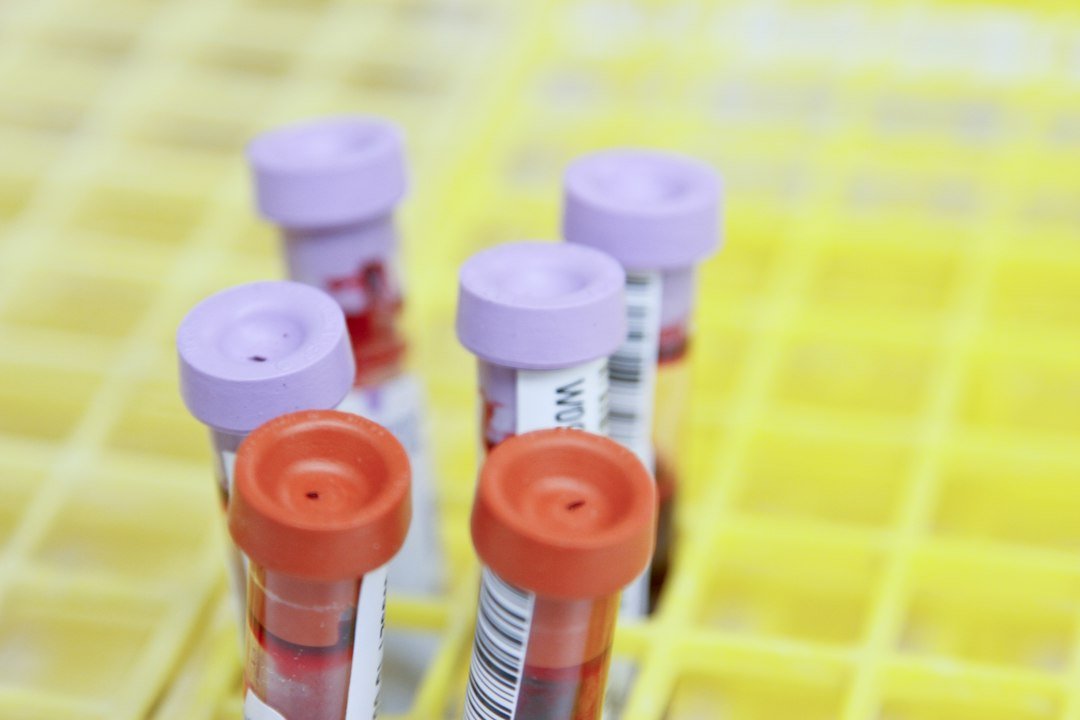
What is a full blood count?
An FBC measures several components of your blood. It can help clinicians investigate symptoms, check general health, monitor certain conditions and assess how treatment is affecting you. The test is useful, but it is only one part of the clinical picture: it cannot diagnose every condition on its own.
What does an FBC measure?
Red blood cells and haemoglobin
Red blood cells carry oxygen around the body. Haemoglobin is the protein inside them that carries oxygen. Low haemoglobin can indicate anaemia, which may be linked to iron deficiency, blood loss, vitamin deficiencies, kidney disease or other causes. The size and characteristics of red blood cells may help guide further tests. Read our guide to low haemoglobin levels for more information.
White blood cells
White blood cells help the immune system respond to infection and other threats. A high or low count can occur for many reasons, including infection, inflammation, some medicines and certain blood or immune conditions. The differential count may show the levels of different white-cell types and provide more clues.
Platelets
Platelets help blood clot after an injury. A low count can increase bleeding risk, while a high count can have several causes, including inflammation or iron deficiency. A clinician interprets the platelet result alongside the rest of the FBC and your history.
Why might a clinician request an FBC?
An FBC may be requested if you have persistent tiredness, breathlessness, unexplained bruising, recurrent infections or other symptoms. It may also be used as part of monitoring for a known condition or treatment. Your clinician will decide whether it is appropriate and whether other tests are needed.
Do I need to prepare?
An FBC alone usually does not require fasting. However, if other blood tests are being taken at the same time, you may be given different instructions. Follow the instructions from your clinic or laboratory, and ask if you are unsure.
How should I interpret the numbers?
Laboratories provide reference ranges, but ranges can differ between laboratories and may depend on factors such as age, sex, pregnancy and the method used. A result slightly outside a range does not necessarily mean you are ill, and a result within range does not rule out every health problem. Avoid diagnosing yourself from a single number or comparing your result directly with someone else’s.
Your healthcare professional may consider your symptoms, medical history, medicines, previous results and whether the sample needs repeating. Sometimes no treatment is needed; sometimes additional tests are useful. Do not start iron, vitamins or other supplements solely because of an FBC result without checking whether they are appropriate.
When should I seek medical help?
Contact the clinician who requested the test to discuss an abnormal result and the next steps. Seek urgent medical care if you develop severe breathlessness, chest pain, fainting, heavy bleeding, confusion or another rapidly worsening symptom. Follow any specific urgent instructions provided with your result.
Questions to ask at your appointment
- Which part of my FBC is outside the reference range?
- How does this result fit with my symptoms and previous tests?
- Do I need a repeat test or any additional investigations?
- Could any medicines or recent illness affect the result?
- When and how will I receive follow-up results?
Frequently asked questions
Does an abnormal FBC mean cancer?
No. Abnormal blood counts have many possible explanations, including temporary changes and common conditions. Some serious conditions can affect blood counts, which is why clinicians assess the pattern and decide whether further investigation is needed.
How quickly will I get my result?
Timing varies by laboratory, urgency and local service. Ask the service that arranged the test when to expect your result and whom to contact if you have not heard back.
Reliable sources
Health information notice: This article is for general education and is not a diagnosis or a substitute for individual medical advice. Always discuss your results with a qualified healthcare professional.
Written by the nohas.es Editorial Team from the official sources listed in this article. Read our Editorial Policy and Fact Checking Policy. Found an error? Tell us.